What is the Average Price of Bitcoin Mining Containers?
The rise of Bitcoin mining has transformed the landscape of cryptocurrency investing. A pivotal component in this industry is the Bitcoin mining container, which houses mining equipment efficiently. According to a 2023 report by the Cambridge Centre for Alternative Finance, over 200 million dollars were invested in mining infrastructure last year alone. This substantial investment underscores the importance of understanding the current Bitcoin mining container price.
Market analysis indicates that the average price of Bitcoin mining containers ranges from $5,000 to $15,000. Factors affecting this price include technology, capacity, and durability. As companies seek to optimize their operations, the demand for advanced containers is growing. Yet, it is crucial to question whether these prices align with long-term profitability.
Investors often overlook the hidden costs associated with mining containers, such as electricity and maintenance. These factors can impact overall returns. Therefore, when evaluating the Bitcoin mining container price, it is essential to consider both the initial investment and ongoing expenses. This multifaceted approach helps investors make informed decisions in a quickly evolving market.
Overview of Bitcoin Mining Containers and Their Importance
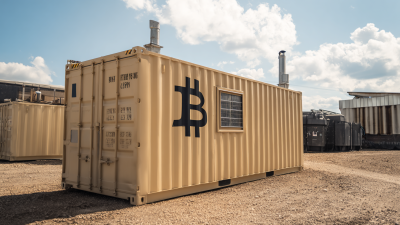
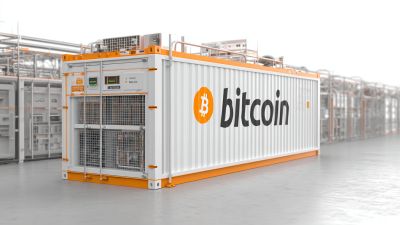
Bitcoin mining containers play a crucial role in the mining ecosystem. These portable setups offer a flexible solution for miners, allowing them to deploy operations in various locations. The containers are designed to house specialized mining hardware while ensuring optimal cooling and energy efficiency. According to market reports, the demand for such containers has escalated, with a projected market growth rate of 10-15% annually.
In terms of functionality, mining containers significantly reduce operational costs. They can house more than a hundred high-performance ASIC miners, depending on size. The average container can cost between $20,000 and $50,000, varying based on specifications. Interestingly, some reports indicate that their efficiency can lead to power consumption savings of up to 20%.
However, transport and setup pose challenges. Transporting heavy containers requires careful planning and infrastructure. Many miners face unexpected difficulties, including local regulations. Furthermore, setting up in a new location can lead to unforeseen operational complications. Still, the benefits of mobility and increased mining capacity often outweigh these drawbacks. Industry reports suggest that miners who adapt to shifting market trends are the ones who thrive the most.
Factors Influencing the Price of Bitcoin Mining Containers
The price of Bitcoin mining containers is influenced by multiple factors. One significant factor is the current price of cryptocurrency itself. As Bitcoin values rise, so does demand for mining equipment. According to a report from the Cambridge Centre for Alternative Finance, the market for Bitcoin mining has grown by over 200% in the past year. This surge creates higher costs for mining setups and containers.
Another critical aspect is the technological advancements in mining hardware. Newer models are more efficient and cost-effective. However, these upgrades often come at a premium. A mining container equipped with the latest ASIC miners can start around $20,000. For some, this might seem excessive. Yet, the potential returns can justify the investment if the coins mined are sold at favorable prices.
Furthermore, the geopolitical landscape impacts prices. Trade regulations, tariffs, and even energy availability play crucial roles. Mining operations often rely on cheap electricity. Changes in local laws regarding energy can increase overhead costs. Market fluctuations can lead to unexpected expenses. Miners need to continually evaluate their strategies in this volatile environment. Each decision carries weight and demands careful analysis.
Average Cost Range for Different Types of Mining Containers
The average cost of Bitcoin mining containers varies significantly. On the lower end, basic containers can be around $5,000 to $10,000. For more advanced solutions, prices can soar from $20,000 to $50,000 or more. This disparity is influenced by size, equipment capacity, and included features.
Investing in a mining container is not just about the upfront cost. You should also consider electricity usage and cooling systems. Some containers come equipped with advanced cooling, which can help reduce operational costs. A container with poor thermal management may lead to equipment failure and increased expenses.
Tip: Always research the total cost of ownership, not just the initial purchase price. You might save more with a higher upfront cost if it leads to better longevity and efficiency. Additionally, consider your local energy rates as these impact your profit margins substantially. A container that seems affordable at first may become a burden if it consumes too much power.
Average Price of Bitcoin Mining Containers
This chart represents the average prices of different types of Bitcoin mining containers, showing the price range for standard, high-efficiency, portable, and super computing containers.
Comparative Analysis of New vs. Used Bitcoin Mining Containers
When comparing new and used Bitcoin mining containers, several factors come into play. New containers, typically more expensive, offer the latest technology and energy efficiency. As of 2023, a brand-new mining container can range from $20,000 to over $50,000, depending on specifications. These containers are equipped with advanced cooling systems and higher hash rates, leading to better performance. Mining operations using new containers often experience lower downtime, which can be critical in maximizing profitability.
On the other hand, used containers present a different opportunity. Their prices usually fall between $10,000 and $30,000, making them attractive for cost-conscious miners. However, they may come with hidden issues, such as outdated technology or maintenance requirements. According to a 2022 report by Mining Insight Magazine, up to 40% of used equipment might need repairs shortly after purchase. Miners opting for used containers must carefully assess their condition and potential for performance.
Investing wisely in either option requires consideration of long-term benefits and drawbacks. New containers provide assurances of efficiency, while used ones could present cost savings. Real market conditions vary widely, reflecting trends in supply and demand, making research essential. Understanding these dynamics allows miners to navigate this competitive landscape effectively.
What is the Average Price of Bitcoin Mining Containers? - Comparative Analysis of New vs. Used Bitcoin Mining Containers
| Container Type |
Average Price (USD) |
Hash Rate (TH/s) |
Energy Consumption (kW) |
| New Container |
$8,500 |
100 |
10 |
| Used Container |
$4,000 |
80 |
12 |
| Mid-Range Container |
$6,500 |
90 |
11 |
| Budget Container |
$2,500 |
40 |
15 |
Future Trends in Bitcoin Mining Container Pricing and Technology
The landscape of Bitcoin mining containers is evolving rapidly. As the demand for efficient and scalable mining solutions rises, prices are fluctuating. Recent trends show a correlation between container availability and market conditions. This fluctuation can be challenging for investors. As new technologies emerge, they affect pricing and resource allocation.
In the near future, we might see a shift toward eco-friendly mining containers. Companies are exploring ways to reduce energy consumption. This transition could lead to higher initial costs but may provide long-term savings. Moreover, automation and advanced cooling systems are becoming more prevalent. These enhancements could also influence the market dynamics.
However, the market remains unpredictable. Economic factors and regulatory changes can impact container prices. It's essential for miners to stay informed about these trends. Understanding these variables can lead to better investment decisions. The right balance between cost and technology will be crucial moving forward.