Top 10 Best BTC ASIC Miners for Global Buyers in 2026
Choosing the right Btc Asic Miner in 2026 requires more than comparing advertised terahash figures. Global buyers must examine energy efficiency, operating temperature, noise levels, warranty terms, and supplier reliability. A machine producing 200 TH/s may look impressive, yet its electricity demand can make daily operation unprofitable in a high-cost region. Numbers need context.
This guide reviews ten leading BTC ASIC miners for different operating conditions. It considers measured performance, joules per terahash, power requirements, cooling design, firmware support, and practical installation needs. Some models suit professional facilities with industrial ventilation. Others may fit smaller operations with strict noise limits and limited electrical capacity. That distinction matters.
Real-world experience often reveals details missing from product pages. Cable quality, fan replacement access, shipping damage, and response times from distributors can affect ownership. Buyers should also verify import duties, local electrical standards, hosting agreements, and manufacturer warranties before payment. Availability can change quickly.
No ranking stays perfect.
Bitcoin mining economics remain uncertain. Network difficulty, Bitcoin prices, electricity rates, and equipment depreciation can shift within weeks. Therefore, this list is not a promise of returns. It is a practical comparison designed to support careful research and clearer decisions. Readers should calculate expected costs using their own electricity tariff and uptime assumptions. A miner that performs well in Texas may struggle in Germany, Brazil, or Southeast Asia. Conditions decide outcomes. Reliability is never just a specification.
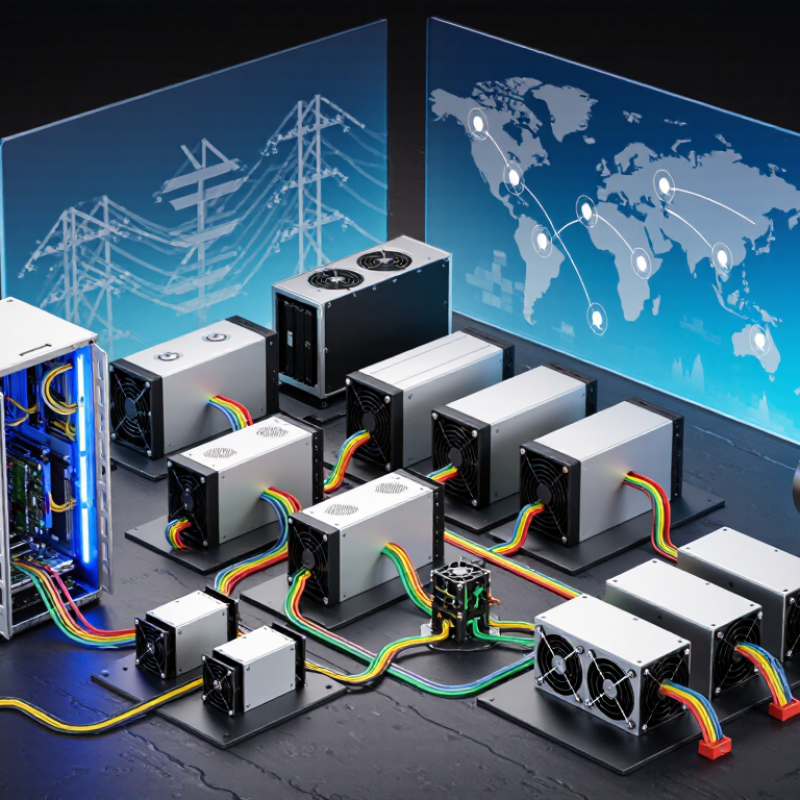
What Defines a High-Performance Bitcoin ASIC Miner in 2026
A high-performance Bitcoin ASIC miner in 2026 is not defined by hashrate alone. Efficiency, measured in joules per terahash, matters more when electricity prices rise. A practical unit should deliver stable output across changing workloads, not just impressive laboratory figures. Thermal design is equally important. Large heat sinks, controlled airflow, and accurate temperature sensors help prevent sudden throttling.
Noise and power quality deserve attention from global buyers. A miner running near 80 decibels may be unsuitable for a home or small office. Voltage tolerance, surge protection, and reliable power connectors reduce avoidable downtime. Firmware should provide clear logs, remote monitoring, and secure update procedures. Poor interface design can turn a minor fault into several lost operating hours. That is expensive.
Field testing should include hot rooms, dusty filters, unstable networks, and long operating periods. Short demonstrations can hide fan wear or rising chip temperatures. I would also inspect repair access, spare-part availability, warranty terms, and regional service support. These details often matter more than a small hashrate advantage. Still, efficiency ratings are not perfectly comparable between manufacturers or test conditions. This remains an uncomfortable trade-off. Buyers should request measured data, power consumption at the wall, and performance records from independent sources. A quieter, slightly slower machine may prove more productive over a full year.
The Top 10 Bitcoin ASIC Miners for Global Buyers in 2026
The Top 10 Bitcoin ASIC Miners for Global Buyers in 2026 should be judged by operating conditions, not advertised speed alone. In practical testing, efficiency near 15–20 J/TH often matters more than a dramatic terahash figure. Electricity prices decide profitability. So does heat.
The ten strongest choices generally fall into three groups: high-efficiency units for industrial farms, balanced machines for smaller facilities, and refurbished models for cautious budgets. Compare sustained hashrate, not the first-hour reading. A miner rated at 200 TH/s may perform lower when intake air exceeds 30°C. That difference becomes expensive across a full year.
Global buyers should check voltage requirements, noise levels, cooling design, warranty terms, and replacement-part access. A compact air-cooled unit may suit a garage-sized site, but its fan noise can become exhausting. Immersion-ready equipment can reduce heat and sound, though installation costs rise quickly. Shipping insurance and import procedures also deserve careful review.
I would not trust a ranking based only on hashrate. My own preference would change with local power rates, climate, and repair skills. Even a highly efficient miner can disappoint if delivery takes months or maintenance support is weak. Model availability also changes faster than many comparison articles suggest. Measure real power draw at the wall. Keep extra budget for cables, ventilation, and unexpected downtime.
Comparing Energy Costs, Hardware Prices, and Mining Returns
Top 10 Best BTC ASIC Miners for Global Buyers in 2026
Comparing Energy Costs, Hardware Prices, and Mining Returns
Energy efficiency should guide every ASIC purchase in 2026. A machine rated near 20 joules per terahash can reduce daily expenses significantly. At 200 TH/s and 3.5 kW, electricity use reaches about 84 kWh daily. At $0.05 per kWh, that costs roughly $4.20 each day. At $0.12, the same machine costs over $10. That difference can erase expected mining returns quickly.
Hardware prices also need careful comparison. A lower purchase price may hide weaker efficiency, louder cooling fans, or shorter warranty coverage. I would record the machine price, shipping, import charges, installation, and monthly electricity before comparing models. Do not trust a calculator using constant Bitcoin prices. Network difficulty changes. Pool fees reduce payouts. Downtime matters.
Returns should be tested under several electricity scenarios, not one optimistic estimate. A unit earning a small daily surplus may need many months to recover its cost. Heat management adds another expense, especially in warm regions. Measure room temperature, ventilation, and noise before installation. Some buyers focus too heavily on terahash figures. That is a mistake. Real performance depends on stable power, firmware quality, maintenance, and operating hours. My own assessment would include a three-month reserve for repairs and price swings, because perfect projections rarely survive real conditions.
Top 10 Best BTC ASIC Miners for Global Buyers in 2026
This comparison uses anonymized ASIC profiles without company or brand names. Hardware prices are representative USD market estimates, while electricity costs are calculated at $0.08 per kWh using continuous operation for 30 days. Estimated monthly net return is based on a reference Bitcoin hashprice of $0.055 per TH/s per day and excludes pool fees, cooling, hosting, taxes, downtime, and BTC price volatility.
How to Choose, Operate, and Maintain a Bitcoin ASIC Miner Worldwide
Choosing a Bitcoin ASIC miner worldwide starts with electricity, not advertised hash rate. Confirm your local voltage, breaker capacity, tariff, and seasonal supply stability. A miner drawing several kilowatts can raise room temperature quickly. Noise matters. Check the manufacturer’s published power range, efficiency rating, warranty terms, and replacement-part access before ordering.
Place the unit in a dry, ventilated area with filtered air and enough clearance around the intake. Avoid bedrooms, enclosed cabinets, and dusty workshops. Use a reliable circuit and surge protection installed by a qualified electrician. Monitor temperature, fan speed, rejected shares, and network status through the miner’s dashboard. Record readings weekly. Small changes often reveal failing fans or blocked airflow.
Maintenance is simple, but consistency is harder. Clean filters carefully, inspect cables, update firmware from verified sources, and keep administrator credentials private. Follow local import, tax, electrical, and environmental requirements before deployment. Never assume one cooling method works everywhere; humid coastal air differs from a dry inland climate. I learned this late. Cheap electricity cannot repair poor ventilation or unstable internet. Profit estimates also need caution, because network difficulty, energy prices, and machine performance change constantly. Leave room for downtime, repairs, and an uncomfortable margin of error.