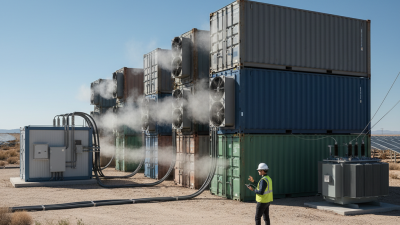
China Top Container Mining Farm Solutions for Global Buyers?
The rise of cryptocurrency has prompted innovative solutions in mining operations. One such advancement is the Container Mining Farm. This method combines efficiency and flexibility, catering to global buyers looking to optimize their mining activities. Container Mining Farms offer a unique approach, utilizing repurposed shipping containers as modular data centers.
These farms can be deployed quickly and relocated easily, which is crucial in the ever-evolving mining landscape. They are designed to maximize energy use and reduce operational costs. However, the technology is not without challenges. Buyers must navigate issues such as cooling solutions and energy sources.
While Container Mining Farms present a promising opportunity, they also raise questions about sustainability and long-term viability. It's essential for buyers to consider the environmental impact and regulatory compliance. Reflecting on these aspects can lead to better decision-making in the pursuit of profitable mining operations.
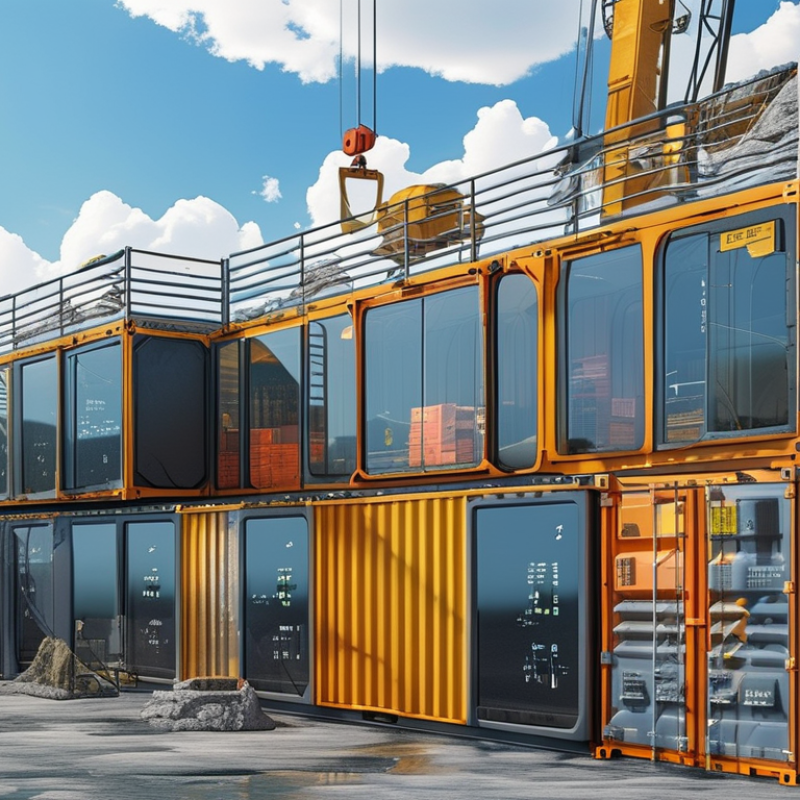
Understanding Container Mining Farms: A Global Overview
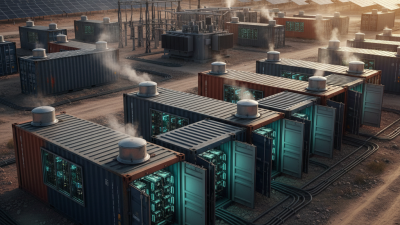
Container mining farms have emerged as a viable option for cryptocurrency enthusiasts worldwide. These farms utilize repurposed shipping containers to house mining equipment. This setup significantly reduces costs and optimizes space. By transforming standard containers into efficient mining units, operators can take advantage of modularity. Consequently, these spaces can be scaled easily as demand and technological needs evolve.
However, running a container mining farm is not without challenges. The setup requires adequate cooling systems due to the heat generated by mining rigs. Power supply issues can also arise in remote locations. This makes electricity costs a crucial consideration. Moreover, ensuring the security of the operation is vital to prevent theft or damage. Many potential stakeholders overlook these requirements, leading to financial strain.
Environmental impact is another concern that deserves attention. The high energy consumption of mining operations raises questions about sustainability. Container mining farms must explore renewable energy sources to mitigate their ecological footprint. This shift can be complicated and requires thorough planning. Operators need to balance profitability with environmental responsibility, which can be a daunting task.
Key Features of China's Container Mining Farm Solutions
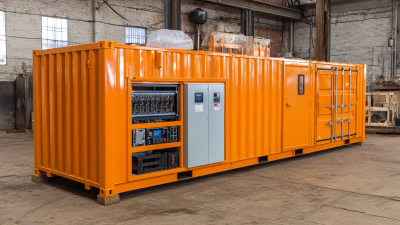
China's container mining farm solutions stand out in the global market for their unique features and adaptability. These farms prioritize energy efficiency and modularity. By utilizing standardized shipping containers, they reduce setup time significantly. The use of these containers allows for easy relocation and scalability, which is ideal for fluctuating market demands.
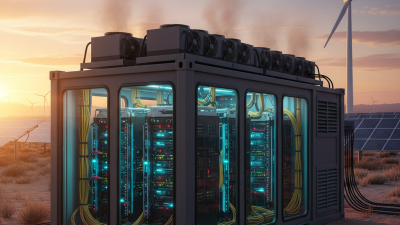
Another key aspect is environmental sustainability. Many farms integrate renewable energy sources, such as solar panels or wind turbines, into their operations. This not only minimizes their carbon footprint but also cuts operational costs. However, there are challenges. The effectiveness of these systems can vary based on location and regulations. Buyers must evaluate how these solutions match their specific circumstances.
Reliability is another crucial factor. Container mining farms often use advanced cooling and ventilation systems to enhance performance. Nevertheless, the quality of components can differ among manufacturers. It emphasizes the need for thorough research before making a purchase. Overall, China's container mining solutions offer promising potential, but buyers should approach with careful consideration.
Benefits of Investing in Chinese Container Mining Farms
Investing in Chinese container mining farms presents several advantages that attract global buyers. These farms utilize portable, scalable units designed for cryptocurrency mining, maximizing efficiency while minimizing space requirements. They offer a solution for businesses looking to enter the digital currency market without extensive initial investments. Container farms can be quickly deployed, allowing swift access to digital asset creation.
Cost efficiency is one of the most compelling benefits. Energy prices in specific areas of China can be significantly lower than in other countries. This economic advantage can lead to increased profitability for investors. Moreover, Chinese container farms often come pre-assembled, reducing setup time and effort. However, potential buyers must be cautious. They should remain informed about local regulations and market fluctuations. The fast-paced nature of the cryptocurrency industry demands adaptability and awareness.
Another aspect to consider is the technical reliability of these farms. While many units are built to strict standards, not all manufacturers provide the same quality assurance. It’s crucial for buyers to conduct thorough research before making a purchase. Engaging with experts and considering long-term operational costs can also help mitigate risks. Investing in container mining farms can be rewarding, but understanding the landscape is essential for success.
China Top Container Mining Farm Solutions for Global Buyers - Benefits of Investing in Chinese Container Mining Farms
| Feature |
Description |
Benefits |
| Cost Efficiency |
Lower operational costs due to advanced technologies and bulk purchasing. |
Increased profitability for investors. |
| Scalability |
Flexible infrastructure that allows for easy scaling of operations. |
Ability to quickly adapt to market demands. |
| Sustainability |
Utilization of renewable energy sources for powering mining operations. |
Reduced carbon footprint and eco-friendly practices. |
| Advanced Technology |
Implementation of cutting-edge mining equipment and software. |
Higher efficiency and better performance. |
| Government Incentives |
Supportive policies and incentives for tech-based industries. |
Financial benefits and reduced regulatory burdens. |
Challenges and Considerations for Global Buyers
Global buyers face unique challenges when exploring container mining farm solutions in China. Energy consumption is a primary concern. Mining operations require significant electricity, which leads to high costs. Local energy prices can vary greatly, impacting overall profitability. Buyers must evaluate energy sources carefully. Renewable energy options are becoming more popular, but they may still be limited in certain regions.
Another consideration is regulatory compliance. Local laws regarding cryptocurrency and mining activities change frequently. This uncertainty can create risks for international buyers. Monitoring the legal landscape is essential for successful operations. Buyers should consult local experts to navigate these complexities.
Additionally, operational scalability poses challenges. Setting up a mining facility requires not just infrastructure but also expertise. Many buyers underestimate the initial investment in hardware and maintenance. Without careful planning, projects can quickly exceed budgets. Understanding these factors is crucial for anyone interested in container mining farms.
Future Trends in Container Mining Farms: Insights from China
Container mining farms are transforming the landscape of cryptocurrency mining. China has been at the forefront of this trend. These farms leverage standardized shipping containers to house mining equipment. This innovation reduces costs and increases efficiency.
One of the notable trends is scalability. Container solutions allow for rapid expansion in mining operations. Operators can quickly add or remove containers based on demand. However, this flexibility comes with challenges. It requires careful planning and management to ensure optimal performance.
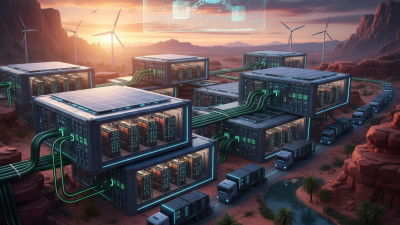
Sustainability is another critical aspect. Many farms now explore renewable energy sources. Solar power, for instance, is gaining traction in remote areas. These initiatives show promise but need rigorous feasibility studies. Not every location suits solar energy. The balance between efficiency and environmental impact remains a topic of debate.
Future Trends in Container Mining Farms: Insights from China