How to Choose the Best Antminer Container for Your Needs?
Selecting the right Antminer Container is crucial for optimizing mining operations. In the cryptocurrency mining industry, the efficiency and reliability of your setup significantly impact profitability. According to a 2021 report by Mordor Intelligence, the global cryptocurrency mining market is expected to grow at a compound annual growth rate (CAGR) of 29.85% from 2021 to 2026. This rapid growth underscores the importance of investing in high-quality infrastructure.
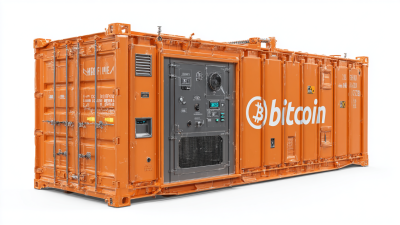
The Antminer Container serves as a key component, providing protection and organization for mining rigs. A well-chosen container can enhance cooling efficiency and reduce downtime. However, the decision process can be daunting. Factors such as size, ventilation, and power supply must be carefully evaluated. Small mistakes can lead to operational inefficiencies or hardware damage.
It's essential to understand that not every container fits every need. Some miners may prioritize portability, while others focus on durability. An informed choice will lead to better performance and energy savings. Balancing these aspects requires reflection on your specific mining environment and goals. Making an informed decision will ultimately set the foundation for future success in this dynamic industry.
Understanding the Purpose of an Antminer Container
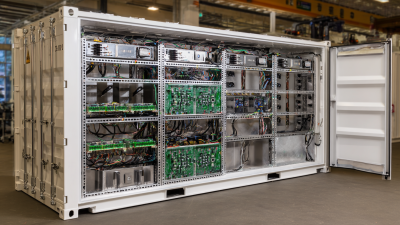
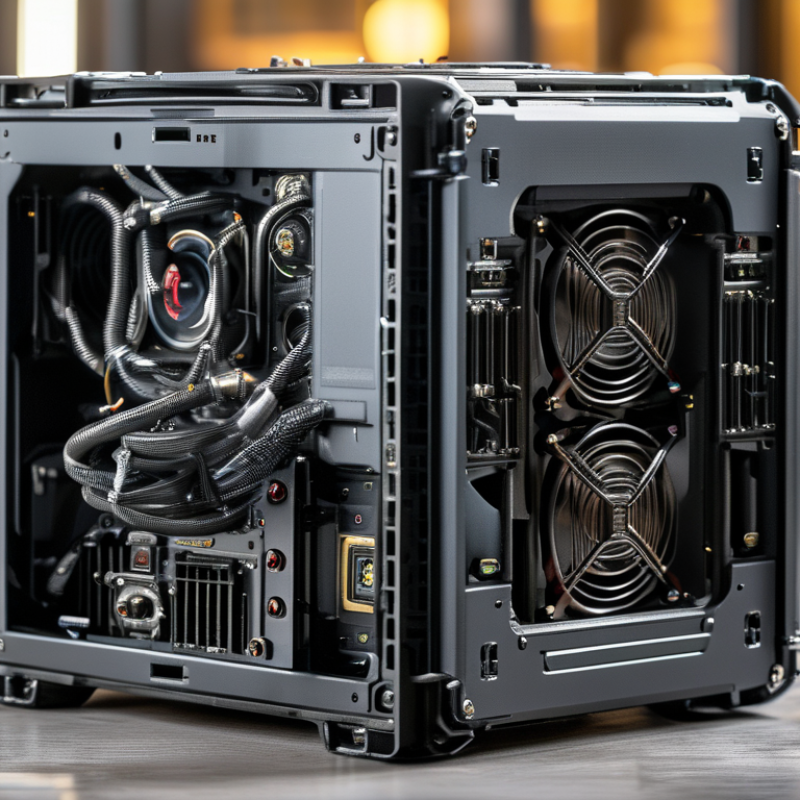
An Antminer container serves a critical role in cryptocurrency mining operations. Its primary purpose is to house mining equipment, ensuring optimal conditions for performance and longevity. According to industry reports, the ideal container should provide sufficient ventilation, manage heat effectively, and minimize noise pollution.
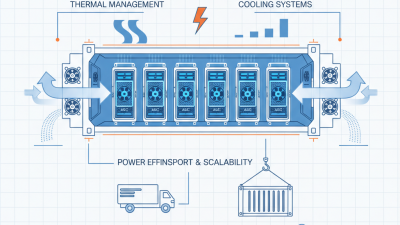
Temperature control is essential because Antminer devices generate significant heat during operation. The American Society of Heating, Refrigerating and Air-Conditioning Engineers (ASHRAE) recommends maintaining temperatures between 20 to 25 degrees Celsius for electronic equipment. A well-designed container incorporates cooling systems to achieve this, often integrating fans and insulated materials. Furthermore, the right container helps mitigate environmental risks, such as moisture damage, which can compromise the functionality of expensive mining rigs.
Choosing the wrong container could lead to inefficiencies. A report from the International Energy Agency (IEA) highlighted that inadequate cooling can reduce mining effectiveness by up to 20%. Additionally, containers built with subpar materials may fail to provide necessary durability. This can lead to higher maintenance costs and increased risks of equipment failure. Prospective buyers must weigh these factors carefully to optimize their mining operations.
Understanding Antminer Container Types
Key Features to Consider When Choosing an Antminer Container
Choosing the best Antminer container involves several key features that significantly impact performance and efficiency. Proper ventilation is crucial. A well-ventilated container helps manage heat, enhancing the lifespan of mining equipment. Reports indicate that optimal airflow can reduce temperatures by up to 20%. This is vital in maintaining efficiency, as high temperatures can lower hardware performance and lead to costly repairs.
Another important feature is durability. Containers should withstand harsh conditions, whether they are temperature extremes or exposure to moisture. According to a recent industry analysis, containers made from weather-resistant materials last longer and reduce maintenance costs by 15%. Furthermore, the size of the container matters; it should provide enough space for future upgrades while optimizing the current setup. Ideally, the container's design allows for easy access to components, facilitating quick repairs and upgrades.
Noise reduction capabilities are often overlooked but are essential. Mining equipment can generate significant noise, impacting nearby environments. Containers with soundproofing features can lower noise levels by 30%. This is particularly important for setups located near residential areas. Yet, many miners underestimate this aspect, leading to disputes and complications. Proper planning can prevent these issues while ensuring a more efficient mining operation.
How to Choose the Best Antminer Container for Your Needs?
| Key Feature |
Description |
Importance |
| Size and Capacity |
Determine the number of Antminer units you wish to house to ensure adequate space. |
Critical for optimal setup and airflow management. |
| Cooling System |
Choose containers with effective cooling mechanisms such as fans or air conditioning. |
Essential for maintaining optimal operational temperatures. |
| Power Supply |
Look for containers that support your power requirements and configuration preferences. |
Very important to ensure stable operation of your miners. |
| Portability |
Consider if you need a portable design for easy relocation of your mining operation. |
Useful for users who may need to change locations frequently. |
| Security Features |
Ensure the container has robust security measures to protect your equipment. |
Very important to prevent theft or unauthorized access. |
| Material Durability |
Assess the quality of materials used for the container construction. |
Significant for longevity and resistance to environmental conditions. |
| Ventilation |
Check the design for adequate ventilation to promote heat dissipation. |
Important for preventing overheating issues. |
Evaluating Size and Capacity Requirements for Your Antminer
When selecting the best Antminer container, size and capacity play crucial roles. The perfect fit ensures efficient operation and prevents overheating. A typical Antminer can consume around 1,500 watts. Thus, the container should accommodate not only the hardware but also necessary ventilation. Insufficient space can lead to equipment failure and reduced mining efficiency.
Research shows that optimal capacity ensures better power consumption rates. A study by Blockchain Research Lab indicates that improper container sizing can decrease profitability by up to 25%. It's essential to consider future scaling plans as well. Choosing a container that is too small may limit expansion opportunities. On the flip side, a large container could lead to unnecessary heating and wasted energy.
Evaluating the container’s dimensions requires attention. Ensure it has adequate airflow to maintain cooler temperatures. Inadequate airflow can cause overheating, damaging the machinery. Regular maintenance checks are crucial to assess how well the container is accommodating current and future needs. Balancing size, capacity, and airflow could be challenging but is vital for maximizing mining performance.
Assessing Cooling and Ventilation Options for Optimal Performance
When assessing cooling and ventilation options for Antminer containers, it's crucial to prioritize efficiency. Studies indicate that inadequate cooling can reduce the hashing power of miners by up to 20%. Proper airflow and temperature regulation promote optimal performance and longevity of the equipment.
Standard recommendations suggest temperatures be maintained below 80°F (27°C) to avoid overheating.
Ventilation layout is another key factor. A well-designed system allows for air intake and exhaust that mitigates hotspots. Research shows systems with passive exhaust can improve airflow by 30% compared to those relying solely on active fans. Regular monitoring of temperature and humidity inside the container is essential. Tools like digital thermometers and hygrometers can help maintain ideal conditions.
It’s also important to consider the positioning of mining rigs within the container. A common mistake is clustering units too closely together, which can hinder airflow. Spacing can enhance cooling effect, yet achieving the right balance can be challenging. Reflecting on these aspects can lead to improved mining efficiency and prolonged equipment life.
Comparing Material Durability and Weather Resistance in Containers
When choosing an Antminer container, material durability and weather resistance are critical factors. Containers can be made from various materials such as steel, aluminum, and high-density polyethylene (HDPE). Steel is known for its strength but may require regular maintenance to prevent rust. In contrast, HDPE is lightweight and resistant to chemicals and UV rays, making it a popular choice for outdoor setups.
According to a report by the International Data Corporation (IDC), containers made from UV-resistant materials can last up to 25% longer in harsh climates.
Weather resistance is vital, especially in environments with extreme temperatures or rain. Containers should be able to withstand different weather conditions without compromising the safety of the equipment inside. Research indicates that improperly sealed containers can lead to moisture accumulation, which may damage sensitive components. This can result in costly downtime and repairs. Notably, 30% of users report damaged equipment due to inadequate weatherproofing.
An ideal container balances durability and weather resistance. It's essential to consider not just initial costs but also long-term maintenance. While a cheaper option may save money upfront, investing in high-quality materials can lead to significant savings over time. Many professionals recommend consulting industry standards, such as those from the American Society for Testing and Materials (ASTM), for proper material selection. This ensures that your container can meet the demands of your specific environment and protect your investment effectively.