How to Choose the Best Crypto Mining Containers for 2026?
In the rapidly evolving world of cryptocurrency, selecting the right Crypto Mining Containers is crucial for optimal performance. With growing energy demands and technological advances, the market is expanding. Choosing a suitable container requires careful consideration of multiple factors.
Many brands offer various features, but not all are reliable. It's essential to assess energy efficiency, cooling systems, and durability before making a decision. A solid understanding of your mining operation’s needs is vital. Think about space, transportability, and scalability.
Investing in Crypto Mining Containers without doing thorough research may lead to costly mistakes. As market conditions change, solutions that worked in the past may not remain effective. Reflect on your past experiences and be open to adapting your choices. Selecting the right container isn't just about the initial cost; think long-term.
Understanding Crypto Mining Containers and Their Importance
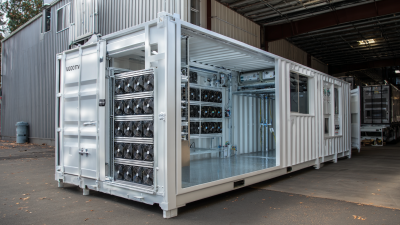
Crypto mining containers play a crucial role in the expanding landscape of cryptocurrency mining. These specialized structures provide an efficient solution for housing mining hardware. They protect equipment from harsh environmental conditions. Proper containment can ensure better performance and longevity of the mining rigs. In 2026, choosing the right container will be vital as mining demands evolve.
Understanding the features of crypto mining containers is essential. Good ventilation prevents overheating. Adequate insulation is necessary for energy efficiency. Containers must be easy to transport and set up. It's important to consider power supply options as well. Look for containers that can handle heavy power loads without issues. Future scalability is another aspect to ponder. Can the container adapt to growing mining needs? These details contribute to a container’s effectiveness.
However, not all containers suit every situation. Some may lack proper security features, making them vulnerable to theft. Others might not provide sufficient cooling, impacting performance. Choosing a container involves weighing these factors carefully. It's worthwhile to seek expert insights and to continuously evaluate performance. In a fast-changing market, this can make a significant difference.
Key Features to Consider in Crypto Mining Containers
When selecting crypto mining containers for 2026, several key features should be paramount.
Temperature control is vital.
Containers must be equipped with cooling systems to prevent overheating.
Effective airflow management enhances performance and protects equipment longevity.
Insulation is also crucial; it minimizes energy loss and stabilizes internal conditions.
Power efficiency should be another focal point.
Look for containers that optimize energy usage, as this can significantly reduce operational costs.
It’s wise to consider modular designs.
These allow for easy upgrades and flexibility in expanding mining operations.
Security features, such as surveillance and reinforced structures, add an essential layer of protection for valuable equipment and assets.
Lastly, think about the container’s mobility. Portable options facilitate relocating operations as market conditions change.
Conduct thorough research before making a decision.
Analyze reviews and seek feedback from industry professionals.
Reflect on the evolving needs of your mining operation.
Investing time into this selection process can impact your success in the fast-paced crypto mining landscape.
Evaluating the Effectiveness of Cooling Solutions
Choosing the right cooling solution is crucial for optimizing crypto mining containers. Effective cooling can enhance efficiency and prolong the lifespan of mining equipment. In 2026, it’s essential to consider several cooling options, including air and liquid cooling systems. Each method has distinct advantages and drawbacks.
Air cooling solutions are often more accessible. They require less upfront investment and can be easier to maintain. However, they might struggle in high-density setups or extreme conditions. Liquid cooling systems generate better heat dissipation and can be more efficient in tightly packed environments. They are typically more costly, yet they can offer improved performance.
Tips: Assess your mining container layout. Ensure there is adequate airflow to maximize efficiency. Regularly monitor the temperature of your equipment. This can prevent overheating and potential damage. It's also vital to reflect on the scalability of your cooling solution. As your operations grow, can your cooling methods adapt accordingly?
Assessing Power Efficiency and Sustainability in Containers
When considering crypto mining containers for 2026, power efficiency and sustainability are key factors. The demand for energy-efficient containers will increase as more regulations come into play. It is essential to evaluate the energy consumption of these containers. Look for options that maximize performance while minimizing power usage. Investigating the thermal management systems can reveal whether a container uses energy wisely.
Sustainability goes beyond just energy efficiency. Opt for containers built with eco-friendly materials. Assess how materials affect the container's lifecycle. Containers that use recycled materials can reduce overall environmental impact. Renewable energy sources, like solar panels, can enhance sustainability.
Tips: Always analyze real-life usage. Your ideal container could differ based on local energy costs and site conditions. Engage the community for insights on best practices. Constantly review and adjust your strategies to align with industry changes. This reflection can lead to improved decision-making.
How to Choose the Best Crypto Mining Containers for 2026? - Assessing Power Efficiency and Sustainability in Containers
| Container Type |
Power Efficiency (kW) |
Cooling Method |
Sustainability Rating |
Cost (USD) |
| Standard Container |
200 |
Air Cooling |
B |
$15,000 |
| Liquid-Cooled Container |
180 |
Liquid Cooling |
A |
$20,000 |
| Eco-Friendly Container |
150 |
Hybrid Cooling |
A+ |
$25,000 |
| High-Density Container |
220 |
Air Cooling |
B+ |
$30,000 |
| Modular Container |
160 |
Evaporative Cooling |
A |
$22,000 |
Future Trends and Innovations in Crypto Mining Container Technology
In 2026, the landscape of crypto mining containers is set to evolve rapidly. Future trends suggest a stronger focus on energy efficiency. Innovating materials that enhance cooling systems will become crucial. The aim is to reduce electricity costs while maximizing the performance of mining rigs. Sustainable practice will be a priority, with more operations seeking eco-friendly solutions.
Tips for selecting the right container include evaluating insulation properties. Look for designs that minimize heat loss. Consider container size as well. It must accommodate current and future hardware needs. Scalability ensures you won't outgrow your setup too quickly.
Another emerging trend is automation in monitoring. Smart technology reduces human error. Automated systems can provide real-time data on temperature and humidity levels. This information helps maintain optimal conditions. It's essential to reflect on potential pitfalls. Overreliance on automation may lead to complacency. Regular manual checks will still be significant for success.
Trends in Crypto Mining Container Technology (2026)