How to Choose the Best Crypto Mining Containers for Your Needs?
In recent years, the demand for crypto mining containers has surged significantly. According to a report by Grand View Research, the global cryptocurrency mining market is projected to reach $2.7 billion by 2028, with containerized mining solutions playing a crucial role. As mining operations scale, the need for efficient, durable, and flexible solutions becomes imperative.
Crypto mining containers offer a unique advantage by providing a portable and robust infrastructure. They can house multiple mining rigs, ensuring optimal cooling and power supply, which is vital in maintaining operational efficiency. However, selecting the right container for your needs can be challenging. Factors such as size, cooling systems, and security features must be carefully evaluated.
Industry experts emphasize that a one-size-fits-all approach is insufficient. Each operation has its unique requirements that demand customized solutions. Therefore, understanding your specific needs and weighing the pros and cons of different container options is crucial for success. Balancing cost, functionality, and scalability often requires thorough research and reflection to make informed decisions.
Understanding the Basics of Crypto Mining Containers
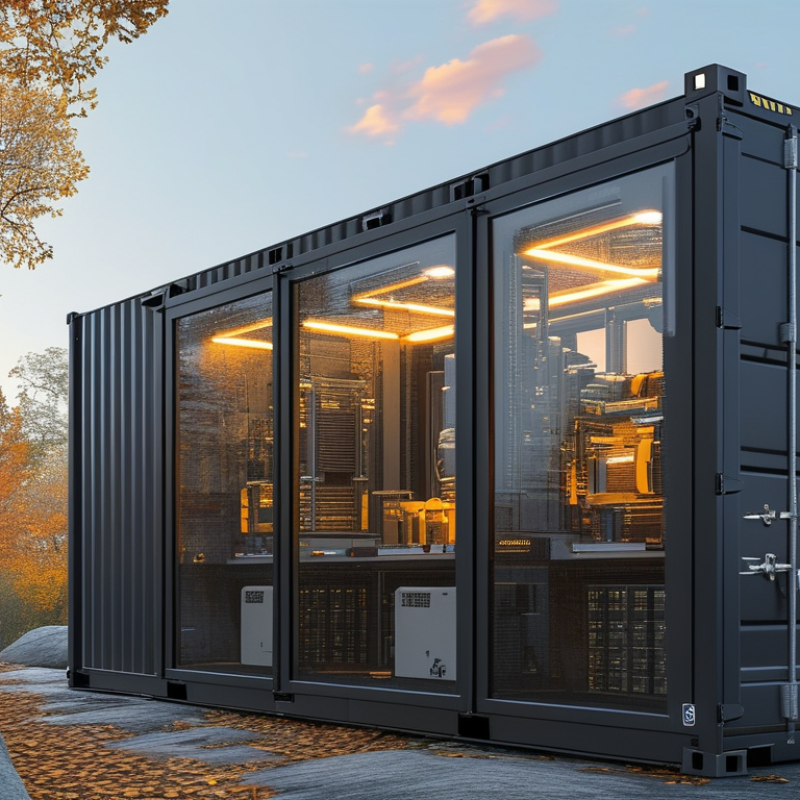
Crypto mining containers are specialized units designed to house mining equipment efficiently. Understanding these containers involves knowing their construction and purpose. They typically feature climate control, soundproofing, and optimal airflow. These factors are crucial as mining operations generate considerable heat and noise. According to a report by ResearchAndMarkets, the global crypto mining market is expected to reach $5.43 billion by 2028, highlighting the growing demand for efficient mining solutions.
When selecting a crypto mining container, consider factors like space and power supply. A container needs adequate room for multiple mining rigs. The average ASIC miner consumes around 1.5 to 3 kW of power. Insufficient power can disrupt operations. Moreover, climate control is vital; overheating can lead to equipment failure and downtime. The Journal of Information Technology reports that 40% of mining operations face heat-related challenges, which can significantly affect profitability.
It's also essential to understand the long-term implications of your choice. Containers might require customization based on location and climate. In regions with extreme temperatures, additional insulation might be necessary. Some users overlook these details initially, leading to costly adjustments later. Additionally, not every container is built to withstand harsh weather conditions. Research and proper planning can mitigate these issues, ensuring a smoother mining experience.
Crypto Mining Containers Performance Comparison
Identifying Your Mining Needs and Requirements
When selecting the best crypto mining containers, it's crucial to identify your specific needs. Begin by assessing your mining goals. Are you mining for personal profit or as part of a larger operation? This distinction affects the size and design of your container. A personal setup might require less space and simpler cooling solutions, while a large-scale operation demands robust infrastructure.
Consider the environmental factors in your location. Temperature control is essential to prevent overheating. Look for containers with adequate insulation and ventilation features. Water and humidity levels also matter. Too much moisture can damage mining equipment, leading to costly repairs.
Think about future scalability. Will your mining operation grow? A container that meets current needs may not suffice later. Plan for expansion to avoid frequent relocations and retrofitting. Additionally, weigh your budget against the needed features. Compromises are often necessary. Reflecting on these factors will guide you in making informed, practical choices.
Evaluating Container Specifications and Features
When evaluating crypto mining containers, pay attention to crucial specifications and features. The size of the container impacts how many mining rigs you can install. A compact design may save space, but it could limit performance. Consider airflow and ventilation carefully. Proper cooling prevents overheating, which can damage your equipment.
Electricity consumption is another key factor. Look for energy-efficient designs to lower operational costs. Containers with integrated power supply components can streamline installation. Noise reduction features are beneficial too. Mining equipment can be loud, so soundproofing may improve your working environment.
Think about mobility and security as well. A container that allows easy transport makes scaling operations simpler. Security features, like reinforced locks, protect your investment from theft. Evaluate all these aspects thoroughly to ensure you choose a container tailored to your unique needs. Always reflect on your previous choices to find any potential areas for improvement in your operations.
Comparing Costs and Budget Considerations
When considering crypto mining containers, cost is a significant factor. The initial investment can range widely, depending on the container size and features. A basic container might cost tens of thousands. However, more advanced options can exceed six figures. Budgeting for accessories and installation is vital. Ignoring these costs can lead to unexpected expenditures.
Ongoing expenses also play a role in overall costs. Electricity consumption and cooling systems are crucial in mining operations. Energies can add thousands to annual operational budgets. Some miners underestimate these expenses, leading to financial strain. Regular maintenance must also be factored in, as wear and tear can increase long-term costs.
Choosing the right container involves a careful analysis of these financial considerations. Research on long-term profitability is essential. Miners must ensure that their budget aligns with their operational goals. Ignoring ROI can lead to poor choices. Balancing costs with the expected output is challenging but necessary for success.
Assessing Delivery and Setup Options for Containers
When selecting crypto mining containers, delivery and setup are crucial factors to consider. The success of your mining operation relies not only on equipment quality but also on how efficiently the containers arrive and are installed. Containers need to be delivered on time. Delays can affect your mining schedule and profitability. Assessing the speed and reliability of the shipping options is essential to avoid disruptions.
Setup involves more than placing the containers at your site. Check whether the installation requires special equipment or expertise. Some containers come ready to use, while others may need complex assembly. Understanding the site conditions is also vital. Ensure there’s adequate space, power supply, and cooling systems. Poor setup can lead to operational inefficiencies and potential hazards.
Reflecting on your past experiences can guide your decision-making. Were previous setups smooth, or did they present challenges? Learning from those instances can help you choose wisely this time. It’s worth considering both ready-to-use solutions and those that offer customization. This choice may impact your operations and your ability to scale in the future.
How to Choose the Best Crypto Mining Containers for Your Needs? - Assessing Delivery and Setup Options for Containers
| Container Type |
Size (ft) |
Power Capacity (KW) |
Cooling System |
Delivery Time (Weeks) |
Setup Complexity |
| Standard Container |
20 |
40 |
Passive Air Cooling |
4 |
Easy |
| High-Density Container |
40 |
100 |
Liquid Immersion Cooling |
6 |
Moderate |
| Modular Container |
10 |
20 |
Evaporative Cooling |
3 |
Easy |
| Custom Container |
30 |
80 |
Hybrid Cooling |
8 |
Complex |