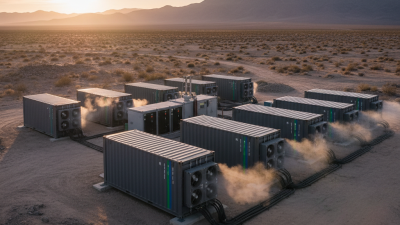
How to Choose the Best Mining Containers for Your Project?
When it comes to executing a successful mining project, selecting the right Mining Containers can make all the difference. These containers are not just storage units; they serve as critical components of your operation. Their durability and functionality influence your site's efficiency and productivity. However, choosing the best type can be a complex process, often filled with uncertainties.
The variety of Mining Containers available in the market is vast. Each type has its strengths and weaknesses, tailored to specific needs. Assessing these needs is vital. Consider factors such as space, climate, and the specific materials you will store. The perfect choice is seldom clear-cut. It often requires meticulous evaluation and a deep understanding of your project’s demands.
Many overlook the importance of consulting experienced professionals. This step can prevent costly mistakes and ensure you select a container that meets your needs. Don’t rush into decisions; take time to reflect on your options. Investing adequate time in this selection process can lead to long-term benefits, ensuring a smoother workflow throughout your mining operation.
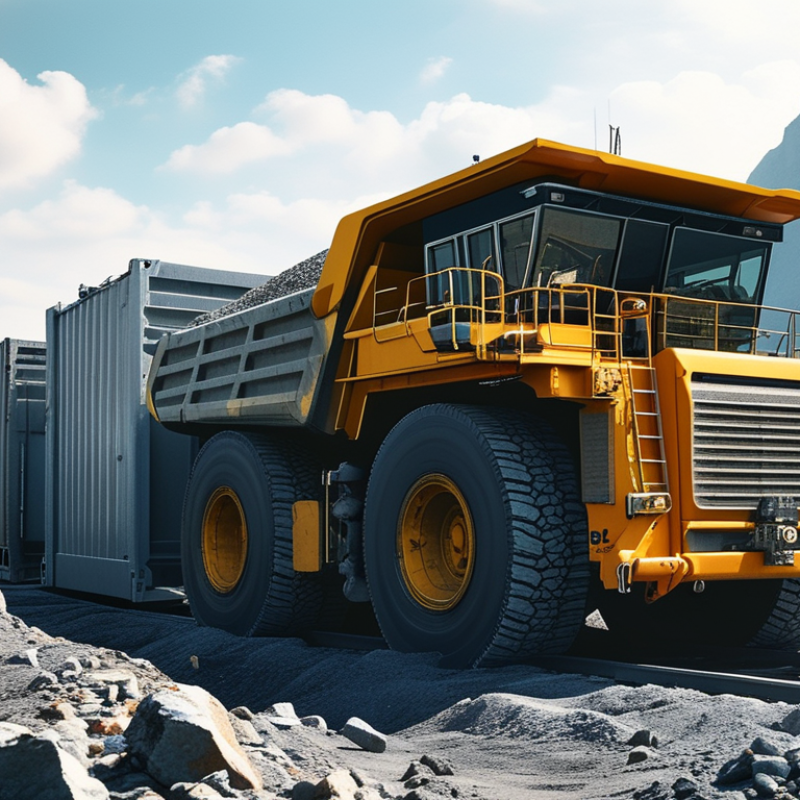
Understanding Different Types of Mining Containers Available
When selecting mining containers, understanding available types is crucial. There are several common types of containers used in this field. Each type serves a different purpose and can affect your operational efficiency.
Open-top containers allow for easy loading and unloading. They are often used for bulk materials. However, they expose contents to weather elements, which can affect material quality. Closed containers offer protection but can limit accessibility. They are ideal for sensitive materials that need to be kept safe.
Transport containers, such as flat racks or specialized units, are designed for shipping. They maximize space and ensure safety during transit. However, these can be less versatile once at the site. Consider the specific needs of your project. Each type has benefits and drawbacks. Think carefully about your requirements. Sometimes, the ideal choice isn't clear-cut.
How to Choose the Best Mining Containers for Your Project?
| Container Type |
Size (ft) |
Weight Capacity (lbs) |
Material |
Ideal Use Case |
| Standard Shipping Container |
20 |
48,000 |
Steel |
General storage |
| High Cube Container |
40 |
67,200 |
Steel |
Tall equipment storage |
| Flat Rack Container |
40 |
60,000 |
Steel |
Heavy machinery transport |
| Reefer Container |
20 |
44,000 |
Steel, Insulated |
Temperature-sensitive materials |
| Open Top Container |
40 |
67,200 |
Steel |
Bulk material transport |
Evaluating Your Project Requirements and Specifications
When selecting mining containers for your project, evaluating your specific requirements is crucial. Consider factors like size, weight, and climate. The right container can significantly impact operational efficiency and safety. According to a report from Global Industry Analysts, the mining container market is expected to grow at a CAGR of 5% over the next five years. This growth reflects a rising awareness of optimized container designs.
Your project's location may influence the type of container you need. If your site has extreme temperatures, insulated containers could be essential. The International Council on Mining and Metals found that 60% of mining operations report challenges related to transportation and storage. Assessing these logistics early can prevent costly delays later on.
Budget constraints also play a vital role in your decision. The investment in proper containment solutions can yield higher returns by reducing material loss and minimizing downtime. However, avoid overspending on features you don't need. According to industry experts, nearly 40% of projects misallocate funds. This reflection is vital; ensure every detail aligns with your operational goals and budget.
Key Features to Look for in Mining Containers
When selecting mining containers, several key features should be prioritized to ensure project success. Durability is essential. Mining operations face harsh conditions, including extreme temperatures and rough handling. Containers made from high-strength materials are critical. According to a recent industry report, over 70% of container failures are due to inadequate material selection.
Another feature to consider is size and adaptability. Containers must be spacious enough to house equipment and tools, yet flexible for different layouts. Adjustable shelving and modular designs enhance usability. A study by the International Mining Association highlighted that adaptable storage solutions improve operational efficiency by up to 30%.
Additionally, security features cannot be overlooked. Theft and vandalism are common in mining sites. Containers equipped with advanced locking systems and tamper-proof designs reduce risks significantly. Interestingly, an investigation revealed that sites with enhanced security measures experienced a 40% decrease in equipment loss. Focusing on these aspects when choosing mining containers can greatly mitigate risks and enhance project outcomes.
Assessing Cost-Effectiveness and Budget Constraints
Choosing the right mining containers depends heavily on cost-effectiveness. Budget constraints can derail a project if overlooked. Assessing the initial costs is crucial. This includes not just the purchase price, but also operational costs. Consider energy consumption, maintenance needs, and longevity of the containers.
Sometimes, the cheapest option isn’t the most effective. A lower-priced container may require more repairs, leading to higher long-term costs. Think about potential scaling. Will the needs of your project grow? Investing a bit more at the beginning can yield greater benefits later.
Always remember to evaluate multiple suppliers. Compare not just prices, but also the specifications. Reliable containers might have a higher upfront cost but can save money in the long run. Engage with industry professionals to gather insights. They can offer perspectives that might not be immediately clear. Always question the long-term value versus short-term savings.
Best Practices for Selecting and Sourcing Mining Containers
When selecting mining containers, several best practices can help guide your decision. Begin by assessing the specific requirements of your project. Consider factors such as capacity, durability, and environmental conditions. The container's design should accommodate the operational needs and site challenges without compromising safety.
Sourcing containers from reputable suppliers is crucial for reliability. Investigate the suppliers' backgrounds. Look for reviews and references from previous clients. This will give insight into their reputation and the quality of their products. Pay attention to warranties and customer support as well. A strong support system can facilitate smooth operations when challenges arise.
Also, be mindful of the ongoing costs associated with the containers. Maintenance can accumulate over time. Neglecting upkeep may result in increased long-term expenses. Reflect on the balance between upfront costs and the potential for future savings. Investing time into thorough research now can prevent pitfalls later.