What is a Container Mining Farm and How Does It Work?
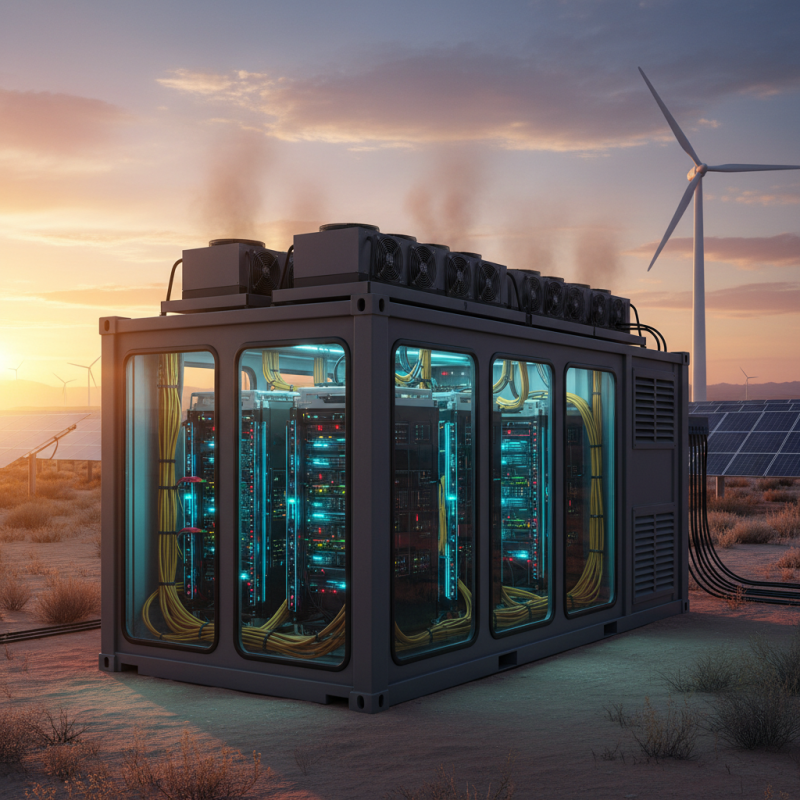
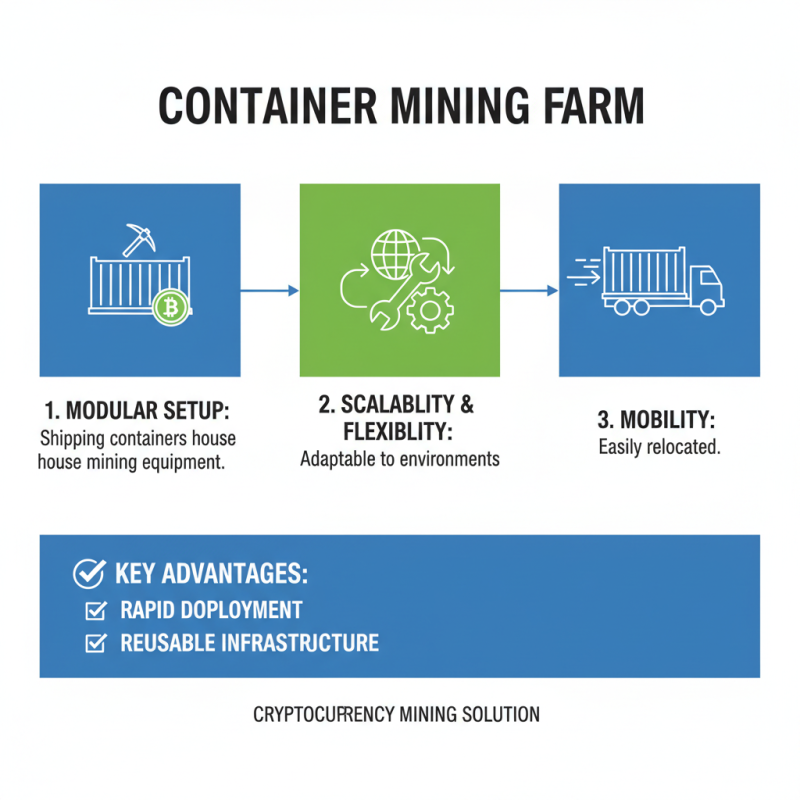
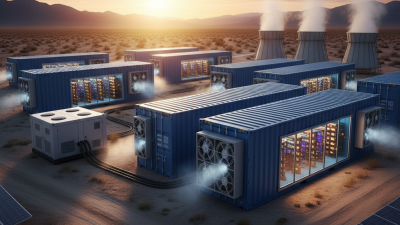
A Container Mining Farm is a modern approach to cryptocurrency mining. It utilizes shipping containers to house mining equipment. These farms are designed to be mobile and efficient, adapting to various locations. The container's insulation helps manage temperature, a crucial factor in mining operations.
This method allows miners to scale their operations quickly. They can set up in areas with lower energy costs. However, the Container Mining Farm concept raises questions about sustainability. Energy consumption remains a significant concern. While this setup promises flexibility, the reliance on power sources must be considered.
Mining farms in containers also face challenges. The rapid technological advancements in mining hardware can render equipment obsolete. Miners must continually invest in upgrades to stay competitive. Thus, while Container Mining Farms offer innovative solutions, they come with their own set of complexities.
What is a Container Mining Farm?
A container mining farm is a specialized setup designed for cryptocurrency mining. It utilizes shipping containers as modular data centers. These farms can be easily transported and deployed in various locations. The concept allows for rapid scaling and flexibility in operations.
According to a recent industry report, container mining farms can increase energy efficiency by up to 60% compared to traditional setups. This is mainly due to optimized cooling systems and space utilization. However, achieving this efficiency depends on the local energy costs, which vary worldwide. Factors such as climate and infrastructure also play a significant role.
Despite these advantages, container mining farms face challenges. They often require a substantial initial investment for setup. Local regulations can hinder their deployment. Additionally, maintaining stable internet connectivity is crucial for consistent performance. These complexities signal the need for careful planning and assessment before diving into container mining.
Container Mining Farm: Energy Consumption Over Months
This chart displays the energy consumption of a container mining farm over the course of a year, measured in megawatt-hours (MWh). As seen in the data, energy consumption increases steadily throughout the months, indicating a growing operational scale.
Key Components of a Container Mining Farm
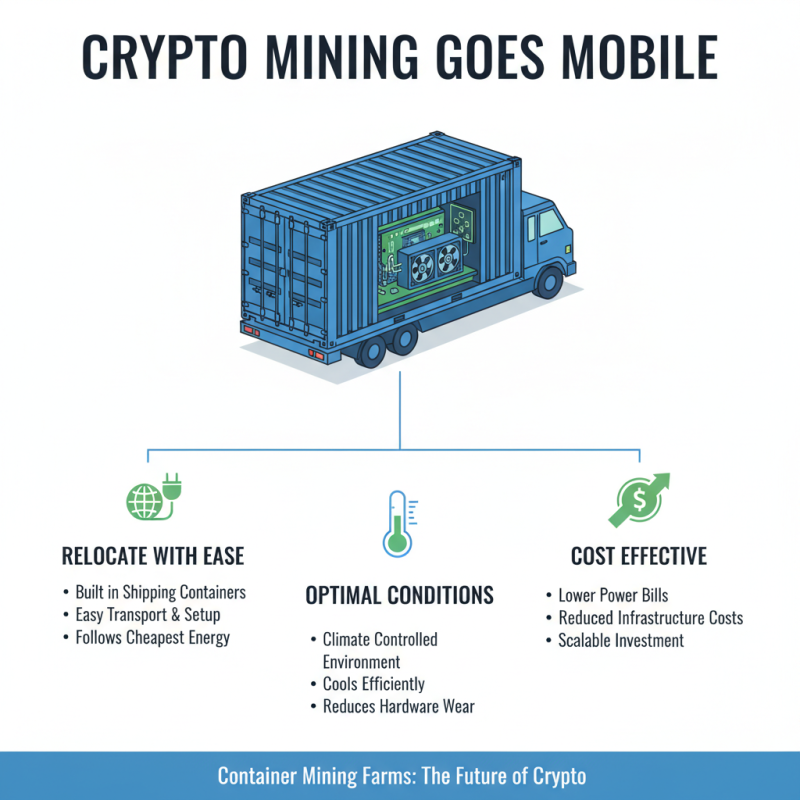
A container mining farm is a unique setup for cryptocurrency mining. It uses shipping containers to house mining equipment. These containers provide a scalable and flexible solution for miners across various environments. One major advantage is their mobility. If conditions become unfavorable in one location, they can be relocated with relative ease.
Key components of a container mining farm include power supply systems, cooling units, and network infrastructure. Power systems are crucial, as mining consumes a lot of energy. Many miners invest in renewable energy sources. This choice can offset electricity costs but requires thoughtful planning. Cooling systems maintain optimal temperatures for the equipment. The noise and heat generated can be intense, making insulation vital.
Network infrastructure ensures stable connectivity. Miners need reliable internet access for real-time data and communication. This part often requires careful consideration. Inadequate bandwidth can slow down operations. Remote monitoring systems also play a role. They help detect issues before they escalate. However, setting everything up isn't straightforward. There can be many unanticipated challenges, requiring constant adjustments.
Understanding the Mining Process in a Container Farm
Container mining farms represent an innovative approach to cryptocurrency mining. These farms use shipping containers to host mining equipment, providing a flexible and mobile solution. Each container can house multiple mining rigs, optimizing space and reducing costs related to traditional mining setups. According to a recent industry report, container mining operations can yield up to 50% more efficiency compared to standard setups.
The mining process within a container farm involves several steps. First, power supply is critical, as mining rigs require substantial energy. Many farms augment traditional sources with renewable energy, aiming for increased sustainability. Cooling is another major consideration. Mining generates significant heat, and effective cooling systems are necessary to maintain optimal performance. Some farms use external cooling solutions, while others rely on internal airflow engineering.
Despite these advancements, challenges persist. Equipment failure can lead to significant downtime, impacting overall productivity. Additionally, the volatility of cryptocurrency prices continuously tests operational viability. A 2022 survey indicated that nearly 38% of operators faced profitability issues due to fluctuating market conditions. Investment in container mining farms often requires careful financial planning and risk assessment.
Advantages of Using Container Mining Farms
Container mining farms are rapidly gaining popularity in the cryptocurrency realm. These setups offer many advantages, making them attractive for miners. One of the most notable benefits is mobility. Since these farms are built in shipping containers, they can be easily relocated. This allows miners to choose the most favorable locations regarding energy costs and temperature.
Energy efficiency is another significant advantage. Container mining farms can be designed to optimize power usage. Proper ventilation and cooling systems are crucial to ensure equipment operates smoothly. When efficiency is maximized, miners can potentially increase their profits. However, the reliance on technology means that issues can arise unexpectedly. For instance, improper setup can lead to overheating, affecting performance.
Moreover, container farming can enhance scalability. New containers can be added as required, allowing farms to grow quickly. But this scalability may cause logistical challenges. For instance, managing multiple containers may become complex. It requires careful planning and constant monitoring. Thus, while container mining farms present fantastic opportunities, they also demand strategic thinking and ongoing adjustments to thrive.
Challenges and Considerations in Container Mining Operations
Container mining farms have gained attention for their flexibility. However, running these operations comes with unique challenges. First, the logistics of transporting containers can be a headache. Each farm requires careful planning for site selection and power access. Limited space at sites can lead to operational inefficiencies, making it hard to scale up.
In addition to logistics, environmental considerations play a crucial role. Containers need cooling systems to manage heat generated during mining. Without proper cooling, equipment can overheat, leading to failures. Water consumption for cooling systems also raises questions about sustainability. Mining operations must balance needs with environmental impact.
Tips: When setting up a container mining farm, assess the local climate. It can affect cooling requirements. Keep a backup plan for power supply. Unforeseen outages can disrupt operations. Regular maintenance checks are essential to avoid costly downtimes. These steps may seem small but can prevent larger issues.
Furthermore, crew management and safety protocols are vital. Container farms can attract various risks, including electrical hazards. Regular training and adherence to safety standards should never be overlooked. A single oversight can lead to accidents or losses. Consideration of worker welfare influences productivity. A happy team is more efficient.
What is a Container Mining Farm and How Does It Work? - Challenges and Considerations in Container Mining Operations
| Dimension |
Details |
| Location |
Offshore, remote areas with low electricity cost |
| Container Size |
40-foot standard containers |
| Cooling Systems |
Liquid cooling and air conditioning for optimal performance |
| Energy Source |
Renewable energy sources such as solar or wind |
| Number of Rigs |
Up to 100 mining rigs per container |
| Environmental Considerations |
Minimized waste and potential for recycling |
| Regulatory Challenges |
Compliance with local laws and regulations |
| Cost Efficiency |
Lower initial investment compared to traditional mining farms |