How to Use Shipping Containers for Bitcoin Mining in 2026?
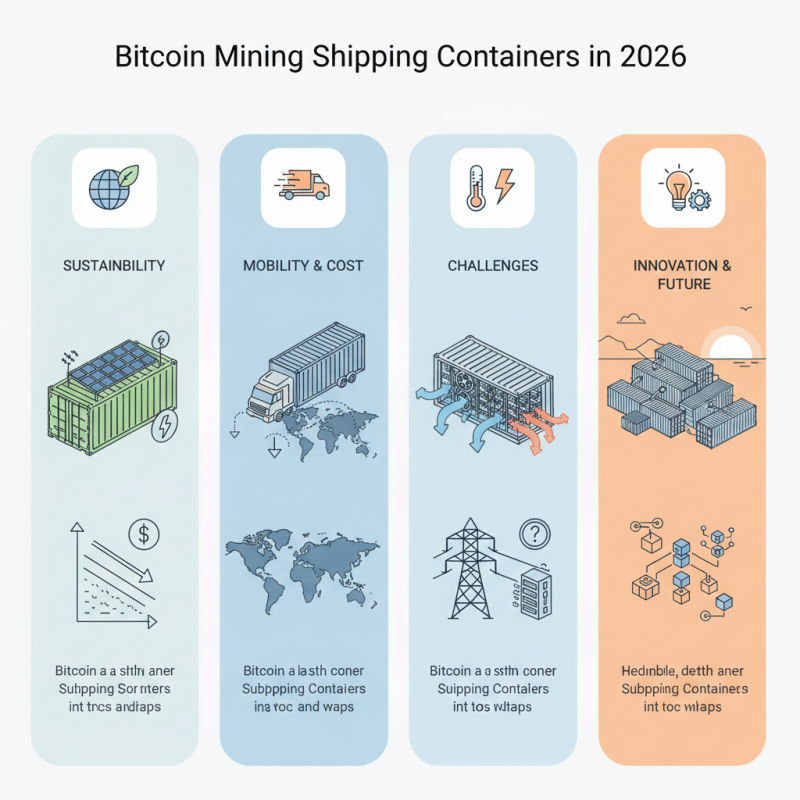
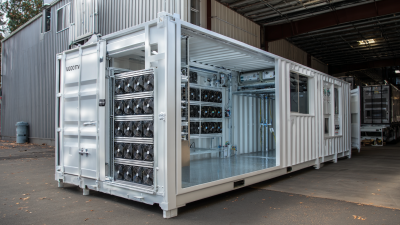
As the demand for Bitcoin mining grows, innovative solutions emerge. One such option is the Bitcoin Mining Shipping Container. These containers offer a unique and mobile way to house mining equipment. They are affordable and easily transportable, making them appealing for miners.
In 2026, the importance of sustainability in mining operations will likely increase. Using shipping containers can reduce the carbon footprint associated with traditional mining setups. However, there are factors to consider, such as cooling systems and power supply.
While shipping containers provide a flexible solution, they also come with challenges. Space and environmental factors can limit efficiency. Moreover, not every location may be suitable for such installations. Miners must do their research and plan carefully. Overall, Bitcoin Mining Shipping Container setups encourage creative thinking in a rapidly changing industry.
Understanding the Basics of Bitcoin Mining and Shipping Containers
Bitcoin mining has evolved significantly. Using shipping containers to house mining rigs is an innovative approach. These containers provide mobility and strong protection against environmental factors.
According to a report by ResearchAndMarkets, the global Bitcoin mining market is expected to grow at a CAGR of 29% from 2022 to 2027.
Shipping containers are ideal for creating modular mining setups. They can be equipped with energy-efficient cooling systems. However, costs can add up quickly. Electricity expenses remain the biggest concern, accounting for nearly 70% of the mining operational costs. Finding a location with cheap energy, like hydroelectric areas, is essential.
Tips: Ensure secure placement of your container. Proper ventilation is crucial. Monitor temperature levels closely. Regular maintenance helps avoid costly breakdowns.
Setting up a shipping container for Bitcoin mining requires planning. Make sure to assess local regulations regarding noise and energy use. Consider potential zoning issues upfront. The landscape of Bitcoin mining can change rapidly. Stay informed about technological advancements and energy trends. Being adaptable will save resources in the long run.
Advantages of Using Shipping Containers for Bitcoin Mining Operations
Shipping containers are becoming an innovative solution for Bitcoin mining operations. They offer portability and cost-effectiveness in an industry where efficiency is crucial. These containers can be placed in remote areas with low energy costs. This can significantly reduce overall expenses.
Using shipping containers allows for easy scaling. Operators can add or remove containers based on their needs. This flexibility can lead to better resource management. Additionally, containers can be equipped with cooling systems. This helps maintain optimal performance in hot conditions. However, retrofitting may come with challenges.
Another consideration is security. While containers provide some protection, they are not impenetrable. Mining operations can become targets for theft. Therefore, additional security measures should be taken. Regular maintenance and check-ups are necessary to ensure that everything runs smoothly. The goal is to avoid costly downtime.
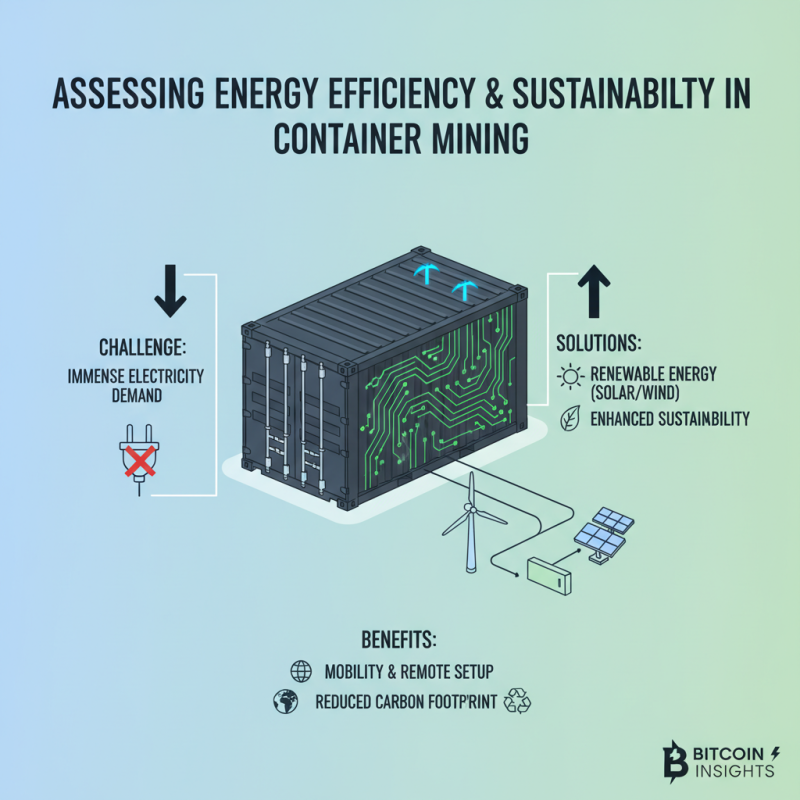
Assessing Energy Efficiency and Sustainability in Container Mining
In the realm of bitcoin mining, the use of shipping containers is gaining traction. These containers offer mobility and can be set up in remote locations. However, energy efficiency remains a central concern. The demand for electricity in mining operations is immense. Using renewable energy sources, such as solar or wind, can greatly enhance sustainability.
While shipping containers can be insulated and modified to house mining rigs, the energy consumption must be carefully managed. It’s not just about installing equipment; it’s about optimizing energy use. Many setups fall short of efficiency. Poorly designed systems lead to wasted power and increased costs. Finding the right balance requires constant evaluation.
Moreover, the environmental impact cannot be ignored. Mining activities generate significant carbon footprints. Sustainable practices need implementation. Continuous monitoring and improvement are necessary. Implementing energy recovery systems can mitigate some ecological harm. Future mining operations must prioritize sustainability, or the cost to our planet will be too high.
Implementing Cooling Solutions in Shipping Container Bitcoin Mines
Using shipping containers for Bitcoin mining is gaining traction in 2026. These containers offer a flexible, modular approach to setting up mining operations. However, an often overlooked aspect is cooling solutions essential for maintaining optimal performance. Mining hardware generates significant heat. Without efficient cooling, equipment can overheat, leading to reduced efficiency or complete failure.
Implementing effective cooling solutions is crucial. A report from the International Energy Agency noted that data centers can consume up to 200 terawatt-hours annually. This highlights the need for efficient energy use in mining operations. Containerized solutions often utilize passive and active cooling systems. Passive cooling can involve ventilation openings to enhance airflow. Active cooling could include portable air conditioning units, which are more costly but incredibly effective.
Tips: Consider using evaporative cooling systems. They can lower temperatures significantly with less energy. Also, regularly inspect and maintain cooling systems to avoid unexpected shutdowns. Monitor ambient temperatures regularly to optimize your cooling solutions. This attention to detail can uncover hidden efficiencies in your operations. Reflecting on these aspects may reveal areas where mining processes could improve. Slowdowns or unexpected costs can severely impact profitability if left unchecked.
Bitcoin Mining Energy Consumption by Cooling Solution Type in 2026
This chart illustrates the estimated energy consumption of various cooling solutions used in shipping container Bitcoin mines throughout the year 2026. As cryptocurrency mining becomes more prevalent, efficient cooling systems will play a crucial role in managing energy use.
Regulatory Considerations and Compliance for Bitcoin Mining in 2026
In 2026, regulatory considerations for Bitcoin mining will be more critical than ever. Authorities across the globe are tightening regulations. This shift aims to minimize power usage and environmental impact. Bitcoin mining, once largely unregulated, now faces scrutiny. Reports from the International Energy Agency suggest that mining consumes about 1% of the global electricity supply. This figure raises alarms about sustainability.
Compliance with these regulations can seem daunting. Miners must understand local laws affecting operations. For instance, some regions impose carbon taxes due to energy consumption. The blending of compliance and efficiency will be essential. Shipping containers provide a flexible solution for miners looking to adjust to new regulations. These units can be relocated and outfitted with energy-saving hardware. Still, the complexity of regulations means miners need to be well-informed. Adapting to legal changes often requires significant investment.
In reflecting on these challenges, risks become apparent. Many miners may struggle with the balance between profitability and compliance. According to a report by the Cambridge Centre for Alternative Finance, over 55% of miners face regulatory challenges. Navigating these requirements without incurring heavy fines is crucial. Setting up mining operations in shipping containers might offer adaptability. Yet, it demands constant monitoring of compliance requirements.