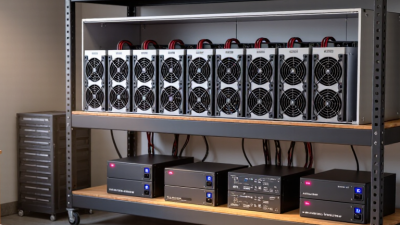
Choosing an ASIC Crypto Miner in 2026 means comparing more than advertised hashrate. Electricity cost, efficiency, cooling needs, and real-world availability can change a machine’s value quickly. A miner rated at 200 terahashes per second may look compelling on paper, but its power draw and local electricity price matter just as much. Numbers matter.
Bitcoin’s pseudonymous creator, Satoshi Nakamoto, described the underlying mining principle in the 2008 white paper: “Proof-of-work is essentially one-CPU-one-vote.” ASIC hardware has since made mining highly specialized, so buyers should examine measured performance, not just broad claims. This guide compares ten miners using practical criteria, including joules per terahash, operating noise, heat output, warranty terms, and manufacturer support. Heat matters. A unit running in a garage can affect ventilation, household noise, and cooling costs. Models and prices may shift during 2026, and manufacturer specifications do not always reflect every installation. That uncertainty deserves attention.
The list is a starting point, not a promise of profit. Before buying, verify current specifications and calculate costs using your own power rate and operating conditions. A detail can be easy to miss. Even a top-ranked machine may be a poor fit where electricity is expensive or reliable cooling is unavailable. The comparison aims to make those trade-offs visible, while recognizing that rankings can simplify a decision that depends on individual circumstances.
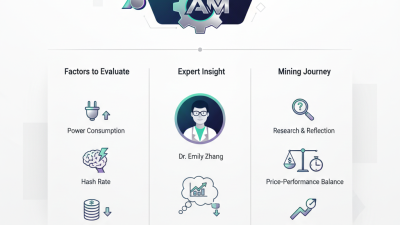
When comparing ASIC crypto miners in 2026, start with hashrate, measured in terahashes per second (TH/s). It indicates how many trillions of hash calculations a machine performs each second. Higher hashrate can improve a miner’s share of network work, but it does not guarantee steady earnings. Network difficulty, uptime, pool fees, and coin price all affect results.
Efficiency, shown as joules per terahash (J/TH), describes the energy used to produce that hashrate. Lower is generally better. A simple estimate is power in watts = hashrate × efficiency. For example, a 200 TH/s unit rated at 20 J/TH draws about 4,000 W under those conditions. Real readings can vary. Check the manufacturer’s test conditions, and leave room for cooling equipment and power conversion losses.
Numbers can mislead. A highly efficient miner may still be a poor fit if electricity is costly or ventilation is limited. Listen for fan noise, check the circuit capacity, and compare expected monthly power costs with realistic mining revenue. I’d treat any profitability estimate as a snapshot, not a promise; the assumptions can age quickly.
A useful comparison of ten leading 2026 ASIC miners starts with the algorithm, not the headline hashrate.
SHA-256, Scrypt, and other mining algorithms produce figures that cannot be compared directly. Check each machine’s hashrate against its power draw, then compare efficiency within the same algorithm. Small differences matter. A unit rated at 200 terahashes per second may look strong, but its energy use, cooling needs, and operating conditions shape its real value.
Look beyond the spec sheet. A miner running in a warm garage may throttle or require louder ventilation than its owner expects. Compare daily energy costs using your local electricity rate, and check whether the stated performance assumes ideal temperatures. Noise can be substantial. Also consider power supply requirements, heat output, warranty terms, and repair access.
These details are less exciting than peak hashrate, but they affect uptime and total cost. I would treat precise profitability forecasts cautiously; coin prices, network difficulty, and energy rates change. And published figures are not always perfectly comparable. A careful shortlist should rank machines by algorithm-specific efficiency and realistic operating needs, not by one impressive number.
With the 3.125 BTC block subsidy, each valid Bitcoin block carries a smaller base reward than before the 2024 halving. Transaction fees add to that reward, but they vary with demand for block space. On a quiet day, fees may contribute little; during congestion, they can rise sharply. ASIC buyers should not treat a single day’s fee income as a dependable forecast.
Network difficulty changes the share of rewards a miner can expect. It adjusts roughly every 2,016 blocks to keep block production near its target pace. If more computing power joins the network, an individual machine usually earns a smaller share, even when its hashrate stays constant. Pool payouts smooth some short-term variation, though fees and payout terms affect the result. Not guaranteed.
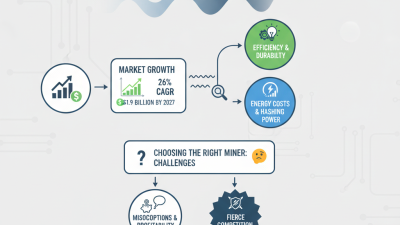
Compare expected revenue with electricity use, local power prices, cooling needs, and pool charges. A machine’s advertised hashrate means little if it runs hot, sits idle, or draws costly power. Estimate income using current difficulty and fees, then test several less favorable scenarios. Estimates are imperfect; Bitcoin’s price can shift faster than a spreadsheet. Leave room for maintenance, downtime, and changing network conditions before judging whether an ASIC makes economic sense.
Compare ASIC miners by electricity cost before looking at advertised returns. A machine drawing 3.5 kW uses about 84 kWh in 24 hours. At $0.08 per kWh, that is $6.72 daily for the miner alone. Cooling, ventilation, and local taxes can raise the bill. Small differences matter. Check the actual tariff on your utility bill, including time-of-use rates, rather than relying on a national average. Mining revenue also changes with network difficulty and coin prices, so treat any online calculator as a snapshot, not a promise.
Uptime affects both revenue and payback. A miner offline for repairs earns nothing while fixed costs may continue. Track its operating hours, rejected shares, temperature, and maintenance downtime for several weeks; one unusually good day is not useful evidence. To estimate payback, subtract electricity, pool fees, repairs, and other recurring costs from expected revenue, then divide the purchase price by monthly net income. Use conservative revenue assumptions and include the cost of replacing fans or power supplies. A spreadsheet can look precise and still be wrong. Recheck it when electricity rates or network conditions change, and consider whether the expected payback period leaves enough room for those shifts.
Estimated payback period by generic SHA-256 miner tier. Hover over a bar for its modeled daily electricity cost and uptime.
Scenario assumptions: electricity at $0.08/kWh and 95% uptime. Payback figures are illustrative estimates, not guaranteed returns; actual results vary with hardware price, Bitcoin price, network difficulty, pool fees, and local electricity rates.
For a 2026 ASIC miner, compare the full purchase cost, not just the listed price. Include shipping, power supplies, taxes, and any electrical work your setup may require. Then estimate daily electricity use from the unit’s rated power and your local rate. Mining income can change with network difficulty and coin prices, so treat online payback calculators as rough estimates, not promises. A low purchase price can still lead to an expensive mistake.
Cooling and noise affect where a miner can run. Check the required airflow and room temperature, then plan a clear path for hot exhaust. A unit in a small office may make conversation difficult; ask for noise measurements taken under stated conditions. Read warranty terms closely: note coverage length, exclusions, repair shipping costs, and who handles support. Availability matters, too. Confirm stock, delivery timing, return terms, and whether support can answer technical questions before payment. Details are easy to overlook.
Tips: Measure the space and check your circuit capacity before ordering. Keep the listing, invoice, and warranty terms. Small oversight, costly fix. I would still leave room in the budget for unexpected ventilation work.