Bitcoin Mining Container For Sale listings now compete on more than price and advertised hash rate. A serious buyer must examine power design, cooling capacity, deployment history, and supplier support. Containers may look identical outside. Inside, their electrical systems can differ dramatically.
The Cambridge Centre for Alternative Finance has repeatedly shown that Bitcoin mining remains highly electricity-intensive and geographically mobile. Its research highlights the importance of energy sources, mining efficiency, and regional infrastructure. The International Energy Agency also groups cryptocurrency mining with data-centre demand, emphasizing rising pressure on grids and cooling systems. These reports make one point clear: container selection should begin with energy planning, not promotional images.
A reliable comparison should identify ASIC compatibility, voltage requirements, transformer ratings, airflow design, noise levels, and monitoring software. Air-cooled units may suit moderate climates and simpler maintenance. Immersion systems can reduce heat and noise, but they require specialized fluids, pumps, and trained technicians. Small details matter. A blocked intake can reduce performance within hours.
Operational evidence matters more than glossy specifications. Buyers should request load-test records, thermal readings, uptime history, warranty terms, and shipping documentation. Supplier claims need verification. Some listings are technically accurate but incomplete.
That is the difficult part.
A container may be affordable yet unsuitable for the available grid connection. A premium model may still fail without dependable technicians and spare parts. This guide evaluates leading Bitcoin mining containers worldwide through measurable criteria, including efficiency, safety, scalability, maintainability, and total ownership cost. The conclusions remain practical, because no container is universally best.
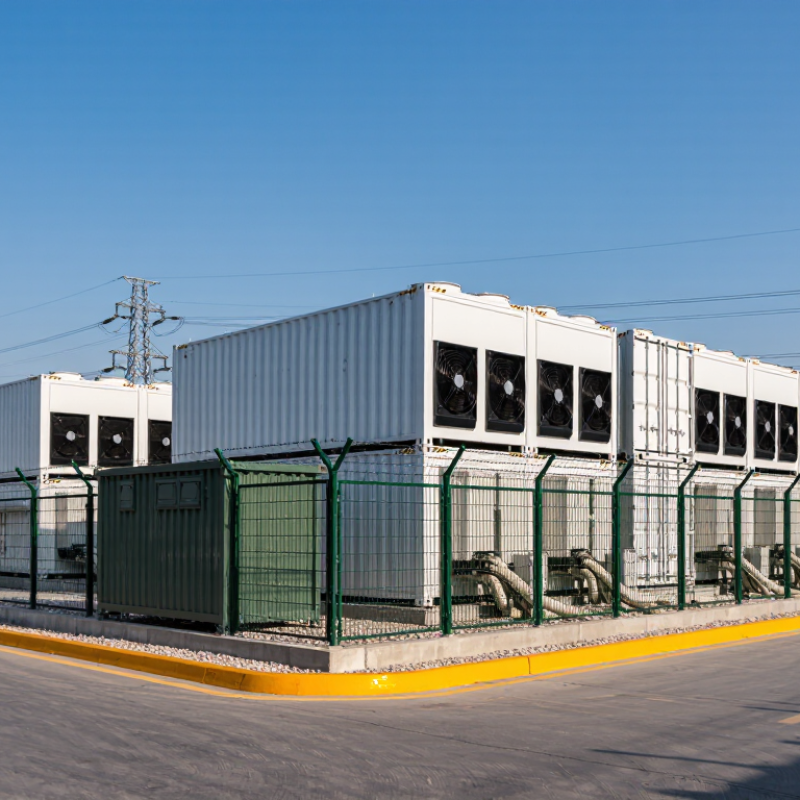
A Bitcoin mining container is a movable, enclosed facility designed to house specialized mining computers. It usually uses a reinforced steel shell, internal racks, power distribution equipment, cooling systems, and network connections. Think of it as a compact data center. Just louder and hotter.
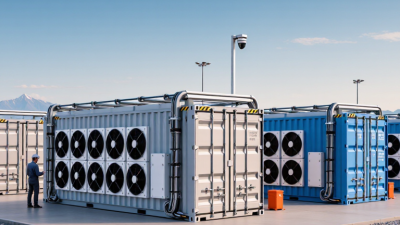
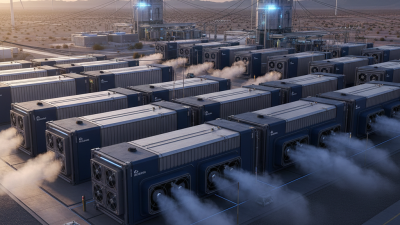
Inside, mining machines operate continuously and produce substantial heat. Air-cooled containers use filtered fans and controlled airflow to move heat outside. Immersion-cooled models place computing equipment in a non-conductive cooling fluid. Each design has trade-offs involving maintenance, cost, noise, and energy use. A reliable container should include temperature sensors, fire protection, emergency shutdown controls, and clear cable management.
When comparing a container for sale worldwide, buyers should inspect its electrical capacity, cooling performance, insulation, corrosion resistance, and transport dimensions. Local grid conditions matter too. A container built for one voltage standard may require costly modifications elsewhere. Permits, noise limits, fire codes, and land-use rules also vary between regions. Do not judge quality from appearance alone. A polished enclosure can still hide weak ventilation or undersized wiring.
Field experience shows that maintenance access is often underestimated. Technicians need safe room to replace fans, filters, and computing units without stopping every rack. Dusty or humid locations demand stronger filtration and monitoring. My own assessment would remain cautious: projected mining returns can change quickly with electricity prices, equipment efficiency, network difficulty, and digital asset markets. A careful inspection and professional electrical review should happen before purchase.
Top Bitcoin Mining Container For Sale Worldwide?
A Bitcoin mining container is more than a steel box filled with computers. Its design must control heat, dust, moisture, noise, and electrical load. Engineers usually begin with the expected mining capacity and local climate. A cold region may need fewer cooling units, while a hot, humid site requires stronger airflow and filtration. Airflow matters. Poor air circulation creates hot spots, reducing equipment life and mining stability.
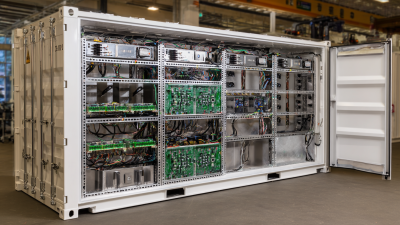
Inside, reinforced electrical panels distribute power to individual mining rows. Cable trays keep wiring organized and easier to inspect. High-capacity fans move warm air outside, while sensors monitor temperature, humidity, smoke, and power conditions. Some layouts use sealed cooling systems for dusty environments. Others rely on filtered air corridors. The correct choice depends on operating conditions, maintenance access, and energy availability. Fire-resistant materials and emergency shutdown controls should be included from the beginning.
A reliable container also needs lighting, drainage protection, secure doors, and clear service paths. Noise travels. Nearby communities and workers may require additional acoustic treatment. Buyers should request load calculations, cooling tests, wiring diagrams, and inspection records before purchasing worldwide. Local electrical, construction, fire, and environmental rules can differ greatly. A container that performs well in one country may need modifications elsewhere. No design is perfect. Even a carefully engineered unit can suffer from clogged filters, unstable power, or neglected maintenance. Regular inspections remain essential.
Comparing global mining container suppliers requires more than checking purchase prices. Start with usable capacity, cooling design, electrical efficiency, and container durability. A reliable supplier should provide clear specifications for rack density, airflow, insulation, fire protection, and noise control. Ask how the system performs in hot, humid, dusty, or freezing regions. Local conditions matter.
Documentation is essential. Request load calculations, safety certificates, wiring diagrams, factory test records, and installation instructions. Proof matters. Review warranty coverage, spare-part availability, remote monitoring, and technical response times. A supplier may offer attractive pricing, but delayed replacement parts can stop operations for weeks. Confirm whether technicians can support your destination and time zone.
Compare the complete operating cost, not only the quotation. Include shipping, customs procedures, site preparation, power upgrades, cooling maintenance, and expected energy use. Suppliers should explain efficiency using measurable data, not broad marketing claims. Independent references can reveal practical weaknesses, such as difficult filter replacement or inaccurate temperature readings. I would also request a live demonstration when possible. It may expose small limitations early. No comparison is perfect; climate assumptions, power quality, and workload changes can distort results. A transparent supplier will acknowledge these uncertainties and suggest realistic testing conditions.
A mining container should be evaluated as an operating system, not a steel box. Start with the delivered price, including mining hardware, electrical distribution, cooling equipment, monitoring tools, freight, and installation. A low quotation may exclude essential parts. Ask for a line-by-line breakdown. Request recent test records, warranty terms, and photographs of completed installations. These details reveal more than polished sales language.
Capacity depends on usable electrical load, not the advertised machine count. Check the container’s continuous power rating and reserve capacity. Leave room for maintenance and temperature changes. For example, a 1-megawatt unit should not run permanently at its absolute limit. Measure rack spacing, airflow paths, cable access, and noise control. Crowded equipment may reduce service life. It may also increase downtime.
Energy efficiency needs practical evidence. Compare watts consumed per computing unit, cooling energy, fan performance, and expected operation across seasonal temperatures. Ask whether the efficiency figure comes from a controlled test or a real deployment. A useful estimate includes electricity prices, uptime, ventilation losses, and maintenance labor. I would also inspect the control system before purchase. Remote alerts are valuable, but sensors can fail. That risk is easy to overlook. A careful buyer should verify readings with independent meters during commissioning, then review actual energy data after several weeks.
Top Bitcoin Mining Container For Sale Worldwide?
Purchasing a Bitcoin mining container starts with defining the site, budget, and operating target. Measure available power in kilowatts, not only the advertised capacity. Check voltage, frequency, transformer limits, and backup arrangements with a qualified electrician. Ask the supplier for machine specifications, cooling performance, noise levels, fire protection, and maintenance access. Request recent inspection records, container dimensions, and a clear warranty.
Then verify international shipping requirements before signing. Confirm export documents, import duties, customs procedures, and local installation permits. Regulations differ by country and may change quickly. A licensed legal or compliance adviser should review the project. Do not treat a supplier’s statement as final authority. Independent verification matters.
Prepare the site before delivery. Build a level foundation, secure drainage, and install suitable electrical protection. Leave working space around cable entries and ventilation equipment. After arrival, inspect for transport damage before connecting power. Start with a limited load, monitor temperature, voltage, network stability, and noise, then increase capacity gradually. Keep spare filters, fans, breakers, and monitoring sensors nearby.
One assumption needs reconsideration: the cheapest container is rarely the cheapest operation. High electricity costs, weak cooling design, delayed parts, or difficult customs clearance can erase the initial saving. A written deployment plan helps, but real conditions may still expose gaps. Document every reading during commissioning, including outdoor temperature and actual power consumption. That record supports safer decisions later.
| Deployment Stage | Data Dimension | Typical Data or Range | Worldwide Purchase and Deployment Considerations |
|---|---|---|---|
| 1. Define the Mining Objective | Container application | Air-cooled, immersion-cooled, or hydro-cooled mining infrastructure | Select the cooling method according to climate, water availability, maintenance capability, miner design, and local operating conditions. A container should be matched to the cooling system rather than selected only by external size. |
| 2. Select the Container Format | Common ISO container lengths | 20-foot: approximately 6.06 m long; 40-foot: approximately 12.19 m long | Confirm internal usable space, door dimensions, equipment clearances, ventilation openings, cable routes, fire access, and transport restrictions. External ISO dimensions do not represent the final usable mining capacity. |
| 3. Estimate Mining Capacity | Electrical load | Approximately 500 kW to 2 MW for many commercial-scale containerized installations | The actual load depends on miner quantity, miner efficiency, cooling equipment, networking, lighting, pumps, and auxiliary systems. Obtain a single-line electrical diagram and a measured or calculated maximum demand before purchasing. |
| 4. Check Miner Compatibility | Power and heat output | Mining equipment commonly operates continuously and converts most consumed electricity into heat | Verify rack spacing, power distribution units, connector types, voltage range, airflow direction, coolant compatibility, control software, and heat-rejection capacity. A container rated only by miner count may be unsuitable if miner power varies. |
| 5. Confirm Electrical Design | Grid frequency and voltage | 50 Hz or 60 Hz depending on the country; low- and medium-voltage systems vary by site | Request the input voltage, phase arrangement, transformer requirements, grounding method, protection settings, short-circuit rating, and utility interconnection requirements. Local licensed electrical professionals should approve the final design. |
| 6. Calculate Energy Demand | Monthly electricity consumption | A continuous 1 MW load uses approximately 720,000 kWh in a 30-day month before auxiliary consumption | Calculation: electrical load in kW × operating hours. Add cooling, pumps, fans, networking, transformers, and expected downtime. Electricity price, uptime, and curtailment rules strongly affect mining economics. |
| 7. Evaluate Cooling Requirements | Thermal management | Nearly all mining electricity becomes heat that must be removed continuously | Air-cooled systems require sufficient intake and exhaust airflow and filtration. Liquid-cooled systems require pumps, heat exchangers, leak controls, coolant specifications, and maintenance procedures. Design for the local maximum ambient temperature. |
| 8. Compare Site Locations | Site screening factors | Electricity availability, tariff, climate, grid reliability, land access, internet, security, and permitting | Obtain written confirmation of available capacity and connection conditions. A low advertised electricity rate is not sufficient if the site has transmission constraints, demand charges, frequent outages, import restrictions, or limitations on digital-asset mining. |
| 9. Verify Legal and Regulatory Status | Permits and compliance | Requirements differ by country, province, state, municipality, utility, and environmental authority | Check land use, construction, electrical, fire, noise, environmental, customs, tax, data-network, and cryptocurrency-mining rules before placing an order. Obtain written confirmation from the relevant local authorities where required. |
| 10. Review the Purchase Specification | Documents to request | Technical specification, layout drawing, load schedule, cooling design, bill of materials, warranty, and commissioning procedure | The quotation should identify included and excluded items, delivery terms, factory testing, spare parts, software access, monitoring, installation support, acceptance criteria, payment milestones, and responsibility for taxes and transport. |
| 11. Plan International Logistics | Shipping and import data | Containerized equipment may require ocean freight, inland transport, customs clearance, insurance, lifting equipment, and destination handling | Confirm gross weight, center of gravity, lifting points, transport dimensions, container classification, packing method, customs codes, import documents, and local unloading capability. Shipping a container does not automatically include final placement or electrical connection. |
| 12. Prepare the Site | Civil and utility infrastructure | Level foundation, drainage, transformer or switchgear area, grounding system, security, network connection, and maintenance access | Prepare cable trenches, earthing, fire access, stormwater management, fencing, lighting, network paths, and space for maintenance vehicles. Confirm that the foundation can support the fully loaded container and ancillary equipment. |
| 13. Install and Commission | Acceptance checks | Electrical inspection, insulation and grounding tests, cooling test, network test, controlled energization, and load verification | Commission in stages: inspect the container, test auxiliary systems, energize distribution equipment, connect a limited number of miners, verify temperature and alarms, then increase load while recording voltage, current, temperatures, and uptime. |
| 14. Connect Mining Operations | Network and pool configuration | Stable internet connection, monitoring, remote management, wallet security, and mining-pool configuration | Use secure network segmentation, strong administrator credentials, multi-factor authentication where available, restricted remote access, backup configuration files, and a tested process for updating firmware or replacing failed equipment. |
| 15. Manage Ongoing Performance | Key operating indicators | Hash rate, energy efficiency, uptime, rejected shares, inlet temperature, coolant temperature, alarms, and power factor | Compare measured performance with the design specification. Schedule filter, fan, pump, electrical, coolant, and thermal inspections. Keep replacement parts and a documented shutdown procedure for emergencies and maintenance. |
| 16. Review Commercial Viability | Core profitability inputs | Bitcoin network difficulty, network hash rate, block subsidy, transaction-fee revenue, electricity cost, hardware efficiency, uptime, and operating expenses | Use current market and network data rather than fixed revenue assumptions. Include capital cost, freight, installation, financing, insurance, taxes, repairs, pool fees, curtailment, and possible changes in network difficulty when preparing the financial model. |