Top 10 Container Mining Suppliers for Global Buyers

Top 10 Container Mining Suppliers for Global Buyers

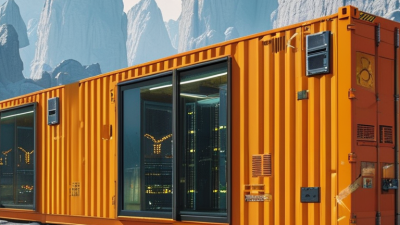
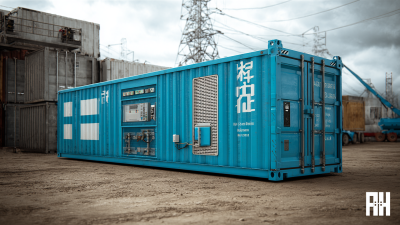
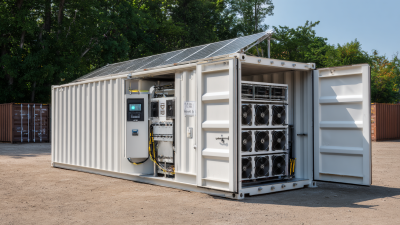
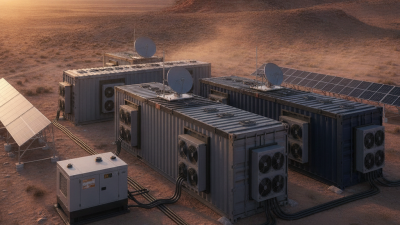
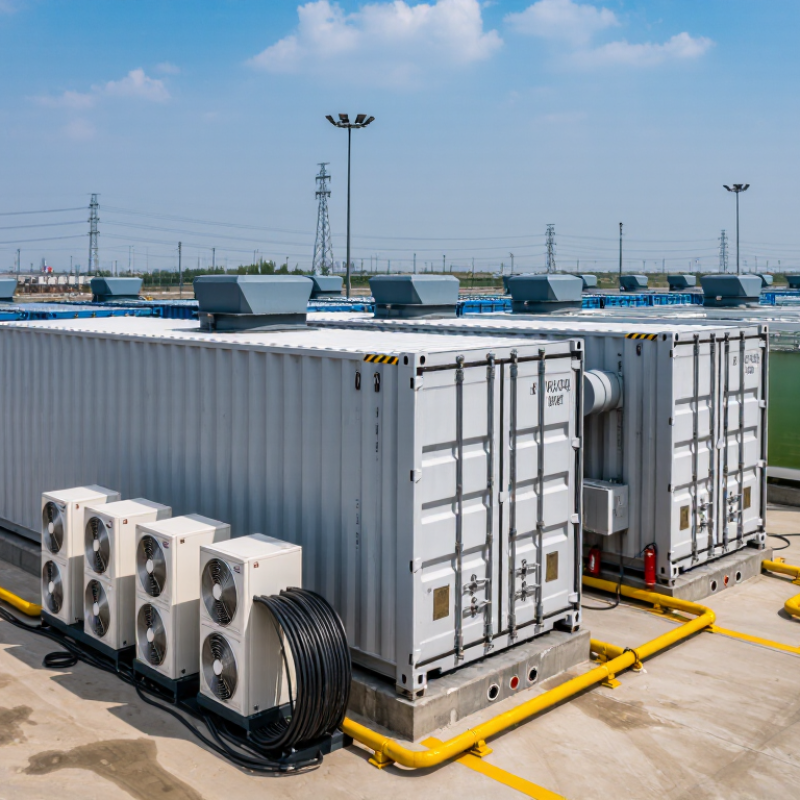
Container Mining is changing how global buyers deploy high-density computing equipment. Instead of building permanent halls, operators can place mining units inside reinforced steel containers. These systems may include immersion cooling, air cooling, power distribution, fire protection, and remote monitoring.

Jaran Mellerud, a recognized Bitcoin mining analyst, has said, “Bitcoin miners are becoming energy companies.” His observation matters here. A container is not merely a metal box filled with machines. It is an energy-intensive operating site with strict demands for electricity, cooling, maintenance, and safety. Buyers must examine supplier experience, manufacturing quality, delivery capability, warranty terms, and local service support.

This guide reviews the top 10 Container Mining suppliers serving international buyers. It considers practical details, including container capacity, cooling efficiency, operating temperature, noise control, cable management, and compatibility with different mining hardware. It also examines whether suppliers provide factory testing, installation guidance, spare parts, and transparent technical documentation.

Some suppliers may offer attractive prices but limited after-sales support. Others may provide strong engineering but longer production schedules. That trade-off deserves attention.

No ranking is perfect.

Market conditions change quickly. Electricity prices, shipping costs, customs requirements, and regional energy rules can affect the final decision. Buyers should verify certifications, electrical standards, fire-safety measures, and supplier references before signing contracts. A polished website proves little. Factory evidence, clear specifications, and responsive communication matter more.

The strongest suppliers combine reliable construction with realistic performance claims. They understand that successful container deployment depends on the entire operating environment, not hardware alone.
Top 10 Container Mining Suppliers for Global Buyers

Market Overview of Container Mining Suppliers

The global market for container mining suppliers is expanding around modular computing facilities. These units combine racks, power distribution, ventilation, cooling, and monitoring in transportable structures. For global buyers, supplier selection depends on more than advertised capacity. Energy efficiency, climate suitability, delivery experience, and after-sales support require careful comparison.

The strongest suppliers usually provide engineering drawings, load calculations, noise data, and clear maintenance procedures. Buyers should examine cooling performance in real weather conditions, especially in hot or dusty regions.

Electrical protection, fire detection, access control, and local certification also affect project reliability. A low purchase price can hide expensive installation work or weak replacement-part support.

The market is not perfectly transparent. Some specifications need independent verification.

Tips:

Request a sample bill of materials and recent performance records. Compare usable computing capacity, not only container size. Ask who handles commissioning, warranty claims, and emergency repairs. Visit an operating site when possible. That step can reveal airflow problems quickly. Buyers should also check grid stability, water availability, transport routes, and environmental requirements before signing contracts. A practical pilot may cost more initially, but it can expose design weaknesses before a larger deployment.

Key Features and Configurations of Mining Containers

For global buyers comparing the top 10 container mining suppliers, configuration matters more than polished brochures.

A standard 20-foot or 40-foot ISO container can be modified for dense computing equipment, cable routing, ventilation, and service access. The International Energy Agency reported that data centres consumed about 415 TWh of electricity in 2024. This figure shows why power design cannot be treated as an afterthought. Buyers should verify input voltage, transformer capacity, power distribution units, grounding, and emergency shutdown systems before ordering.

Air-cooled containers usually combine filtered intake fans, hot-air extraction, temperature sensors, and rack-level monitoring. Immersion-cooled designs use dielectric fluid tanks and heat exchangers, reducing dust exposure and potentially improving equipment stability. The Uptime Institute’s 2024 Global Data Center Survey reported an average annualized PUE of about 1.56 among respondents. Mining containers should therefore disclose expected PUE under realistic outdoor temperatures, not laboratory conditions. A small detail matters: washable filters and wide service aisles can reduce maintenance delays.

Reliable suppliers should provide smoke detection, fire suppression, leak sensors, remote alerts, and documented load testing. Modular expansion is useful, but it may increase transformer and cooling costs. More capacity is not always better. Buyers also need acoustic estimates, weatherproofing ratings, spare-part plans, and local electrical approvals. The weak point is often simple. Some specifications remain theoretical until the container operates through heat, dust, and unstable grid conditions. Independent commissioning data deserves more trust than optimistic performance claims.

Criteria for Evaluating Global Container Mining Suppliers

Evaluating a container mining supplier requires more than comparing quoted prices. Buyers should verify experience with remote sites, extreme temperatures, dust, vibration, and restricted transport routes. Ask for inspection records, factory acceptance tests, load calculations, and maintenance logs. A supplier should explain insulation, corrosion protection, fire separation, ventilation, and emergency access in measurable terms.

Supply-chain resilience deserves equal attention. The International Energy Agency’s Global Critical Minerals Outlook 2024 reports that the three largest producing countries provide about 70% of mined supply for key transition minerals. Processing is even more concentrated, exceeding 90% for several materials. This exposure makes backup manufacturing, documented sourcing, and realistic delivery schedules important.

The World Bank’s Logistics Performance Index 2023 reports a global median port dwell time of about 3.5 days. Inland delays can be longer. Suppliers should therefore provide route studies, packing plans, customs documents, and spare-parts availability.

Compliance evidence must be current, not merely promised. Review quality systems, electrical test reports, structural certificates, and local regulatory alignment before signing. Independent audits can reveal weak welds or poorly labeled components. Insist on clear warranty limits and response times. Site experience matters.

A missing detail can become an expensive delay.

Evaluation should also test lifecycle value. Compare energy use, repair access, replacement intervals, and resale or recycling options. I would not accept polished presentations alone. Supplier data can be incomplete, and buyer specifications may be unclear. That uncertainty deserves written assumptions, practical trials, and a contingency budget.

Top 10 Container Mining Suppliers and Their Strengths

Top 10 Container Mining Suppliers for Global Buyers

Top 10 Container Mining Suppliers and Their Strengths

Global buyers usually compare ten supplier strengths before selecting a container mining solution. Modular fabrication supports faster deployment and simpler expansion. Thermal engineering keeps equipment stable during hot afternoons. Air-cooling specialists offer practical designs for moderate climates. Immersion-cooling suppliers reduce dust exposure and improve heat transfer. Power-integration teams coordinate distribution panels, transformers, and safety controls. Monitoring providers add temperature, load, humidity, and alarm visibility. Transport-focused suppliers design containers for lifting, shipping, and site access. Custom-build specialists adapt layouts for different equipment sizes. Compliance-oriented suppliers prepare technical documents and inspection records. Lifecycle service teams provide spare parts, maintenance schedules, and remote support.

A reliable supplier should explain performance with measurable details. Ask for airflow rates, noise levels, expected power usage, and service response times. Request drawings showing cable routes and maintenance clearance. A strong enclosure should include fire detection, emergency shutdowns, secure access, and weather protection. Energy planning also matters. Buyers should confirm local permits and grid requirements before delivery.

In practical evaluations, small design choices often affect uptime. A poorly placed filter can increase cleaning work. Tight cable paths can delay repairs. No supplier is flawless. Some impressive specifications may overlook local weather or technician skills. Buyers should test one unit first, inspect documentation, and speak with previous customers. The best choice balances cooling, safety, transport, service, and realistic operating costs.

Top 10 Container Mining Suppliers for Global Buyers - Top 10 Container Mining Suppliers and Their Strengths

Supplier Profile Primary Production Base Main Container Types Typical Construction Standards & Documentation Export Strength Key Strength Best Fit for Global Buyers
Supplier Profile 01 Coastal East Asia 20-foot and 40-foot dry freight containers; mining storage units Corten weathering steel, marine plywood flooring, galvanized door hardware ISO 668 dimensions; ISO 1496-1 performance requirements; CSC documentation available upon request Strong ocean-port access and established export packing procedures Competitive pricing for standardized units and repeat orders Large-volume buyers requiring standard intermodal compatibility
Supplier Profile 02 Northern East Asia High-cube containers; open-top units; mining equipment containers Weathering steel frames, reinforced corner posts, heavy-duty floor options ISO corner fitting specifications; CSC plate support; mill certificates for steel available by order Efficient full-container-load shipping to Asia-Pacific, Europe, and the Middle East Flexible engineering for oversized or high-clearance mining equipment Mining contractors shipping bulky machinery and replacement parts
Supplier Profile 03 Central East Asia Side-opening containers; workshop containers; storage conversions Corten steel shell with lockable side doors, ventilation, and optional electrical fit-out ISO base dimensions; load-test records; electrical documentation for configured units Good consolidation options for project cargo and modular site equipment Strong customization capability for remote-site storage and workshops Mine operators needing secure workshops, tool stores, or maintenance rooms
Supplier Profile 04 South Asia Dry freight containers; insulated containers; accommodation modules Corrosion-resistant steel structure, insulated wall panels, non-slip flooring options ISO dimensions; fire-rating information for panel systems; packing and fumigation records where applicable Regular services to Africa, the Gulf region, and Southeast Asia Cost-effective conversion work and practical interior layouts Remote mining camps requiring storage, office, or accommodation units
Supplier Profile 05 Southeast Asia General-purpose containers; reefer-ready shells; chemical storage units Marine-grade flooring, reinforced underframes, optional bunded or ventilated interiors ISO 1496-1 reference; CSC support for eligible units; product drawings and inspection reports Shorter shipping routes to Australia, Oceania, and ASEAN markets Adaptable designs for humid, coastal, and tropical operating environments Buyers operating mines in tropical or high-humidity regions
Supplier Profile 06 Eastern Europe Heavy-duty storage containers; workshop modules; reinforced open-top units Structural steel frame, enhanced weld detailing, heavy floor and lifting points ISO corner fittings; EN structural fabrication practices may be offered; inspection dossier by contract Efficient road and rail access to European and Central Asian destinations Robust fabrication suited to heavy tools, spares, and maintenance equipment European buyers prioritizing inland delivery and reinforced construction
Supplier Profile 07 Middle East High-temperature storage containers; workshop units; modified dry boxes Reflective exterior coatings, added ventilation, insulated roof and wall options ISO container geometry; coating data sheets; thermal and electrical specifications for modified units Strong regional delivery coverage across Gulf and North African markets Design focus on heat, dust, and prolonged outdoor exposure Open-pit and desert mining projects requiring climate-adapted units
Supplier Profile 08 Southern Africa Used and refurbished containers; mining stores; site office conversions Inspected used units, repaired frames, replacement flooring, and new locking components Condition reports; CSC status where applicable; repair and coating records Advantageous for inland delivery within established regional mining corridors Fast availability and lower acquisition cost for non-voyage site use Projects needing local stock, refurbished units, or rapid site deployment
Supplier Profile 09 North America Specialized equipment containers; secure stores; custom modular units Heavy-gauge steel options, security doors, racking, lighting, and engineered lifting features Engineering drawings; load calculations; electrical and safety documentation according to project scope Strong domestic distribution and project-based delivery across North America High-value customization and integration of mining-site equipment Buyers requiring engineered units, enhanced security, or integrated systems
Supplier Profile 10 Oceania Mining camp containers; hazardous-goods storage modules; workshop units Heavy-duty steel construction, ventilation systems, spill-containment options, and site-ready fittings ISO-compatible dimensions; site safety documentation; dangerous-goods compliance must be confirmed by application Strong mine-site logistics and regional delivery to Australia and Pacific projects Practical compliance support for demanding remote-site applications Mining companies requiring site-ready storage and support modules in remote areas

Note: Specifications, certifications, CSC eligibility, material grades, and delivery capabilities should be verified against the supplier’s current quotation, inspection report, and project requirements before purchase.

International Purchasing, Shipping, and Compliance Considerations

Top 10 Container Mining Suppliers for Global Buyers

International buyers should compare ten container mining suppliers through verified documents, not attractive brochures. Request factory addresses, production photos, test records, and recent customer references. A live video inspection can reveal airflow gaps, uneven flooring, or unfinished cable entries. Ask for cooling capacity, power distribution details, noise ratings, and maintenance access. Small omissions become expensive during installation.

Shipping planning starts before payment. Confirm the container’s final dimensions, gross weight, lifting points, and packing method. Match the commercial invoice, packing list, serial numbers, and certificate of origin. Agree on Incoterms in writing, including insurance and port responsibilities. Check whether the destination port accepts oversized cargo. A single inaccurate weight can delay customs clearance.

Compliance requires local review. Verify electrical certifications, fire protection rules, import permits, energy requirements, and environmental standards. Battery systems, refrigerants, and backup generators may require additional transport documents. Use a customs broker who understands industrial equipment. Keep translated manuals and safety data available for inspection. Do not assume one certificate works worldwide. It often does not. Supplier audits can still miss real operating problems, especially under extreme heat or dust. A pilot shipment is slower, but it exposes weak packaging, unstable cooling, and unclear warranty procedures before a full container order.