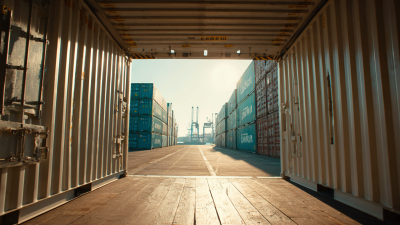
Why Choose Antbox Container for Global Shipping?

Why Choose Antbox Container for Global Shipping?

Global shipping depends on simple equipment performing under complex pressure. UNCTAD’s Review of Maritime Transport 2024 reports that more than 80% of world merchandise trade by volume moves by sea. Each container therefore affects factory schedules, port handling, inland transport, and customer delivery.

Antbox Container responds to this reality with standardized structures, practical customization, and export-focused manufacturing experience. Its units can support cargo protection across long ocean routes, rail connections, and temporary storage locations. Door seals, corner castings, flooring, and ventilation need careful inspection. Small defects can become expensive delays.

John Fossey, Drewry’s container-equipment specialist, has emphasized that “equipment availability is an often-overlooked foundation of supply-chain reliability.” That observation gives Antbox Container a useful direction. Reliable shipping is not only about vessel capacity. It also depends on containers arriving in suitable condition, with consistent dimensions and traceable quality controls.

The World Bank and S&P Global Market Intelligence’s 2023 Container Port Performance Index assessed 405 container ports. Its findings underline how handling efficiency can vary sharply between locations. A dependable container cannot eliminate congestion. It can reduce avoidable friction.

Antbox Container may suit importers, exporters, logistics providers, and project cargo teams seeking predictable equipment options. However, no supplier should promise perfect delivery conditions. Weather, port congestion, inspections, and inland capacity remain outside one manufacturer’s control. Buyers should verify load requirements, certification, corrosion protection, and after-sales support before ordering. The best choice is not always the cheapest container. It is the one that remains dependable when the schedule becomes difficult.

Why Choose Antbox Container for Global Shipping?

Antbox Containers Under ISO 668: 20-Foot and 40-Foot Intermodal Sizes

Choosing a suitable container for global shipping begins with dimensional discipline. ISO 668 defines standardized external sizes for intermodal freight containers, including 20-foot and 40-foot units. These sizes move between ships, rail wagons, and road chassis with fewer handling changes.

A standard 20-foot container typically measures about 6.058 meters long and 2.438 meters wide externally. A standard 40-foot container extends to about 12.192 meters. Both usually share a 2.591-meter external height, although high-cube designs require separate verification. Internal capacity varies with wall thickness, flooring, door design, and insulation. Measure twice.

From practical loading checks, the 20-foot format suits dense cargo, machinery, and shorter shipment volumes. The 40-foot format offers more floor length for cartons, furniture, and palletized goods. Weight distribution still matters. Heavy items should remain low, centered, and secured against movement. A larger box does not automatically mean better utilization.

Experienced shippers also inspect corner castings, door seals, locking bars, and the container floor before dispatch. These details affect safe lifting and weather protection. Documentation should confirm the container’s dimensions, maximum gross mass, tare weight, and inspection status. I have learned that a small measurement error can disrupt a planned transfer. Standardization reduces that risk, but it does not replace a physical check. Availability may also differ by route, depot, season, and equipment type.

CSC Convention Checks: Five-Year Initial and 30-Month Repeat Inspections

Why Choose a Container for Global Shipping?

A dependable container begins with documented safety, not attractive paint. Under the CSC Convention, a new or substantially repaired unit requires an initial inspection. This approval normally supports international transport for up to five years. Inspectors examine the frame, corner castings, doors, locking bars, floor, roof, and side panels. They also review weld quality, corrosion, markings, and visible deformation. Small defects matter.

After that period, the container needs a repeat inspection at intervals of no more than 30 months. The exact schedule depends on the approval method and the unit’s condition. A qualified inspector checks load-bearing components and confirms that repairs remain sound. The CSC safety approval plate must be legible and match the container’s records. Photos, inspection dates, repair notes, and serial details create a practical audit trail. Records matter.

In daily operations, I have found that cleanliness and maintenance support safety checks. A dry floor, clear identification, and smoothly operating doors reduce avoidable delays. Still, a fresh appearance proves little. Hidden corrosion can develop beneath paint or inside structural joints. That is why pre-shipment checks should complement, not replace, formal CSC inspections. Operators should verify inspection validity, cargo suitability, weight limits, and route requirements with competent professionals. One gap remains easy to overlook: records may be correct while a later impact changes the structure. Regular visual checks keep the process realistic, although they cannot replace an authorized examination.

Why Choose Antbox Container for Global Shipping? – CSC Convention Checks: Five-Year Initial and 30-Month Repeat Inspections
Inspection Dimension Five-Year Initial Examination 30-Month Periodic Examination What Inspectors Commonly Verify Shipping Relevance Typical Result
Purpose and Timing Completed before a new container is placed into international service and before the first CSC Safety Approval Plate is issued. Completed at intervals of no more than 30 months after the initial examination or the previous periodic examination. The inspection date, examination scheme, and container identification are checked against the applicable CSC requirements. Helps confirm that the unit remains legally eligible for international transport under the Convention for Safe Containers. Approved when compliant
Structural Frame Detailed examination of the main frame, including corner posts, top and bottom rails, cross members, and corner fittings. Visual examination for deformation, cracks, corrosion, unauthorized repairs, or other deterioration since the previous inspection. Members must retain their designed load-bearing function and must not show damage that could compromise safe handling or stacking. Sound structural members support lifting, stacking, shipboard securing, rail movement, and road transport. Pass, repair required, or withdrawn from service
Corner Fittings and Lifting Points Dimensions, welds, alignment, and condition of the corner fittings are checked for compatibility with standard handling equipment. Checked for distortion, excessive wear, cracks, corrosion, and damage caused by lifting or lashing operations. Fittings must accept twistlocks and lifting devices correctly and must not have defects affecting safe engagement. Correctly maintained fittings reduce the risk of dropped loads and unsafe crane or spreader operations. Serviceable or corrective action required
Doors, Hinges, and Locking Gear Doors must operate correctly, close securely, and maintain the container’s intended enclosure. Hinges, locking bars, handles, and retainers are examined. Operational checks identify bent locking bars, damaged hinges, missing components, poor alignment, or ineffective door closure. Doors should open and close without unsafe force and remain securely locked during transport and handling. Reliable doors help protect cargo, support safe stuffing and unloading, and prevent accidental opening in transit. Functional, repairable, or rejected
Side, End, and Roof Panels Panels and their attachments are examined for adequate condition, secure fixing, and freedom from defects that affect the container envelope. Inspectors look for holes, significant dents, loose panels, broken welds, corrosion, and water-ingress risks. Damage is assessed according to whether it affects structural strength, cargo containment, or safe handling. Maintained panels help protect cargo from weather exposure, contamination, and unauthorized access. Acceptable condition or repair required
Floor and Cross Members The floor assembly and supporting members are examined for load-bearing capability and secure attachment to the frame. Checks include broken or weakened boards, excessive deterioration, damaged cross members, contamination, and unsafe repairs. The floor must support the intended cargo loads and remain safe for personnel, forklifts, and cargo-handling activities. A sound floor reduces cargo-shift risks and helps prevent damage during stuffing, transport, and discharge. Approved, repaired, or removed from service
Welds, Fasteners, and Repairs Welded joints, bolts, rivets, and other connections are examined for correct workmanship and secure attachment. Previous repairs are reviewed for deterioration, cracking, poor alignment, or changes that were not properly authorized. Repairs must restore the required strength and should not introduce sharp edges, unsafe projections, or weakened connections. Proper repairs preserve safe handling performance and reduce the chance of failures during international movement. Accepted, rectification required, or rejected
Markings and CSC Safety Approval Plate The container identification, maximum gross mass, stacking and racking information, approval reference, and examination details are verified. The plate and required markings are checked for legibility, accuracy, and consistency with the current examination status. Markings must remain visible and must not be altered or removed without proper authorization. Clear data supports safe planning for cranes, vessels, terminals, roads, and rail operations. Information confirmed or corrected
Load and Handling Safety Design-related information is assessed to confirm that the container satisfies the applicable safety requirements for handling and transport. The inspector verifies that operational damage has not reduced the container’s ability to withstand normal handling, stacking, or securing forces. Where necessary, measurements, functional checks, or additional examinations may be used to evaluate suspected defects. Maintains compatibility with common intermodal handling systems and reduces operational delays. Safe for intended service or restricted
Documentation and Traceability Inspection records establish the container’s approval status, identification, examination date, and applicable examination scheme. Records document the repeat inspection, findings, repairs, and the next examination deadline or applicable control method. Inspection evidence should be retained according to the responsible authority’s and owner’s recordkeeping procedures. Traceable records support terminal acceptance, fleet management, maintenance planning, and regulatory audits. Record complete or action pending
Failure and Corrective Action A container that does not meet the applicable requirements must be repaired, re-examined, or prevented from entering international service. Serious defects may require immediate withdrawal from service until corrective work and a satisfactory examination are completed. Corrective action depends on the defect’s effect on structural safety, cargo containment, handling, or marking compliance. Early correction helps prevent rejected units, cargo disruption, equipment damage, and safety incidents. Repair and re-examination

Reference note: Under the CSC periodic examination procedure, the first periodic examination is required within five years of manufacture, followed by subsequent examinations at intervals of no more than 30 months. The specific examination scope and acceptance decision remain subject to the applicable authority, approved examination scheme, and recognized inspection organization.

Antbox Corner Castings: ISO 1161 Interfaces for Cranes and Twistlocks

Why Choose ISO 1161 Corner Castings for Global Shipping?

Global shipping depends on repeatable connections, not attractive surfaces. ISO 1161 corner castings provide standardized interfaces for cranes, spreader beams, and twistlocks. Their openings guide lifting pins into known positions, even when containers face rain, vibration, or uneven handling. Port technicians can inspect these contact points with calipers, gauges, and visual checks before loading.

The scale is significant. UNCTAD’s Review of Maritime Transport 2024 reported approximately 12.3 billion tons of seaborne trade in 2023. Every transfer places stress on container corners. Properly manufactured castings help distribute lifting forces through the frame, reducing the risk of poor engagement. The standard also supports compatibility across vessels, rail systems, trucks, and terminals. That interoperability matters when equipment changes between continents.

Global shipping scale
12.3 billion tons
of seaborne trade in 2023

Standards are not magic. Manufacturing tolerances, weld quality, corrosion, and damaged apertures still require careful control. The International Organization for Standardization defines the dimensional and functional requirements in ISO 1161, but operators must verify actual condition. A twistlock may appear engaged while sitting incorrectly inside a worn casting. That small error can become a serious handling problem. Reliable suppliers should provide material records, dimensional inspection results, and traceable quality procedures. Practical experience suggests one more check: inspect corner castings after unusual impacts, not only during scheduled maintenance.

8'6-Inch Standard Height and 9'6-Inch High-Cube Capacity Choices

Why Choose a Container for Global Shipping?

Global shipping rarely rewards a one-size-fits-all decision. UNCTAD’s Review of Maritime Transport reports that ships carry over 80% of global merchandise trade by volume. That scale makes usable container space important. The 8'6-inch standard-height container suits pallets, machinery, and general cargo with moderate vertical clearance. It often fits standard inland handling systems smoothly.

The 9'6-inch high-cube option adds approximately one foot of exterior height. Its internal height is usually close to 8'10", compared with about 7'10" in a standard unit. That difference can protect cartons from compression and reduce awkward stacking. It also gives more room for bulky insulation, furniture, or lightweight industrial parts. More volume does not mean unlimited payload.

My own planning mistake was treating extra height as free capacity. It is not. ISO 668 dimensional rules help define container sizes, but road limits, terminal equipment, and carrier acceptance still matter. Measure the loaded height, not just the product dimensions. Leave clearance for doors and lashing.

The World Bank’s 2023 Logistics Performance Index assessed 139 economies and emphasized reliability, tracking, and timeliness. A high-cube unit may improve loading efficiency, yet it can create route restrictions in some inland areas. Check the full route before booking. Small details decide the result.

30,480-Kilogram Gross-Mass Class for Global Intermodal Transport

Why Choose a Container for Global Shipping?

30,480-Kilogram Gross-Mass Class for Global Intermodal Transport

A 30,480-kilogram gross-mass class supports demanding intermodal routes. This rating follows an established ISO container classification. Gross mass includes the container, cargo, packaging, pallets, and securing materials. The distinction matters. A container may appear lightly loaded, yet its verified mass can exceed planning estimates.

UNCTAD’s Review of Maritime Transport reports that ships carry over 80% of global merchandise trade by volume. That scale increases the value of predictable container performance. A compliant unit must tolerate lifting, stacking, rail movement, and road transfer. Corner posts, locking mechanisms, flooring, and welds deserve careful inspection. Small defects can become costly during repeated handling.

The 30,480-kilogram rating is not a permission to load blindly. Shippers must calculate payload after subtracting tare mass. They must also provide verified gross mass under the IMO SOLAS requirement. The World Bank’s 2023 Logistics Performance Index compares logistics systems across 139 economies, highlighting the importance of reliable tracking and smooth transfers. In practice, weighbridge records, readable identification plates, and consistent inspection logs reduce avoidable delays. Not every route offers the same axle limits or terminal equipment. That limitation is easy to overlook. A technically strong container still needs route-specific planning, accurate documentation, and realistic loading margins.

30,480-Kilogram Gross-Mass Class for Global Intermodal Transport

A 30,480 kg gross mass equals 30.48 metric tonnes, 30 long tons, approximately 33.60 short tons, or 67,196.6 pounds.

Gross mass includes the container, cargo, packaging, and securing materials. The allowable cargo payload must be calculated by subtracting the actual container tare mass from the applicable gross-mass rating.