What Are the 2026 Top Antbox Container Types for Buyers?
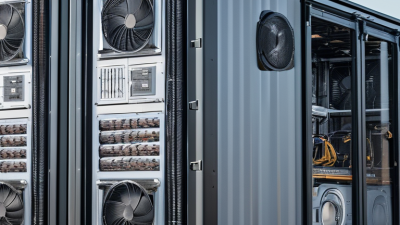
In 2026, buyers are asking a practical question: which Antbox Container types offer the strongest value for changing project needs? The answer depends on climate, transport access, operating temperature, and expected service life. A compact standard container may suit a guarded construction site. An insulated unit may perform better when heat, condensation, or noise becomes a daily concern. Refrigerated models serve temperature-sensitive goods, while open-side designs improve loading speed for bulky equipment.
“Buyers should select the container around the site workflow, not simply the lowest purchase price,” says David Liu, an Antbox Container solutions specialist. His point is easy to test. Imagine a narrow delivery lane, a forklift turning beside the unit, and workers opening the same doors fifty times each day. A poor layout creates hidden costs quickly.
This guide examines the leading Antbox Container options expected to attract buyers in 2026. It considers standard dry containers, insulated containers, refrigerated units, open-side containers, foldable models, and modular office or accommodation solutions. Each type brings different strengths, limitations, and maintenance demands. Steel thickness, insulation performance, door hardware, ventilation, drainage, and connection details all deserve close inspection.
No ranking fits every project. That is the uncomfortable part. A premium model can still fail when the foundation is uneven or access planning is weak. Buyers should verify dimensions, load requirements, installation conditions, supplier documentation, and after-sales support before committing. Real value appears over years, not during a quick showroom visit.
Define 2026 Antbox Types Through ISO 668 Dimensions and CSC Safety Standards
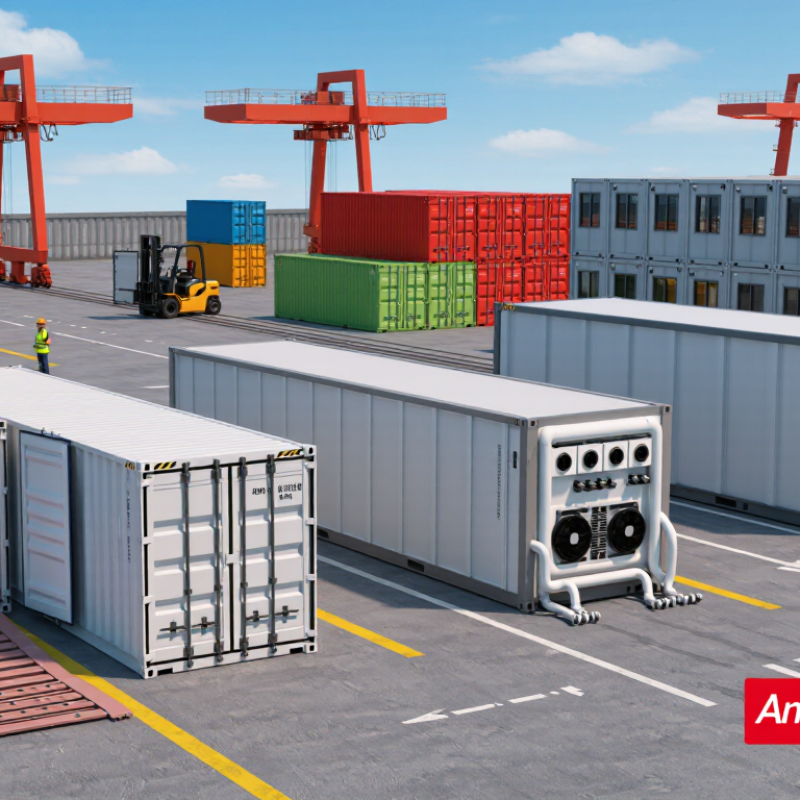
For 2026 buyers, container selection should begin with ISO 668 dimensions, not appearance or price. The common 20-foot and 40-foot dry containers provide standardized external widths near 8 feet. Standard height is about 8 feet 6 inches. A 40-foot high-cube unit reaches approximately 9 feet 6 inches. These measurements affect vessel loading, chassis fit, warehouse clearance, and usable cargo volume.
Not just length. A 20-foot unit suits dense cargo, machinery, and smaller shipments. A 40-foot container offers more floor space for cartons and palletized goods. High-cube models add vertical clearance for bulky products. Refrigerated containers serve temperature-sensitive cargo, but buyers must check power requirements, insulation condition, and internal dimensions. Measure the opening. Door height and width can limit loading, even when the listed capacity looks sufficient.
CSC safety standards add another essential check. Each unit should carry a valid CSC safety approval plate, clear identification, and current examination information. Inspect corner posts, rails, doors, locking bars, flooring, and roof panels for deformation or corrosion. A container may look clean yet hide weakened structural areas. A low price can conceal inspection costs. Buyers sometimes focus too heavily on ISO size and overlook payload limits, previous repairs, or local handling conditions. I would recheck every document and measurement before purchase. Small differences matter.
Evaluate Foldable, Expandable, and Flat-Pack Units by Transport Efficiency
For 2026 buyers, transport efficiency should guide the choice between foldable, expandable, and flat-pack container units. UNCTAD’s Review of Maritime Transport 2024 states that ships carry over 80% of global trade by volume. That makes empty-unit movement a serious cost issue, not a minor detail.
Foldable units usually reduce return volume after unloading. They suit projects with repeated repositioning and limited storage yards. Yet folding hardware adds inspection points. One damaged hinge can delay deployment. Expandable units offer more usable space on site, but their extended dimensions may complicate road access, handling, and local transport permits. They are efficient when final delivery is short and predictable.
Flat-pack units often provide the clearest loading pattern. Several panels can travel as one compact package, improving truck and container utilization. The World Bank’s Logistics Performance Index 2023 highlights reliability, shipment timeliness, and logistics competence as key performance factors. Buyers should therefore compare real loading diagrams, not only advertised capacity. Ask for folded dimensions, packed weight, crane requirements, and installation time.
There is no universal winner. A flat-pack may outperform a foldable unit on a long ocean route, while a foldable model may recover value during frequent relocations. The awkward part is that published specifications rarely show total handling time. Buyers should test one shipment, record labor minutes, and revise the calculation before placing a larger order.
Assess Insulated Antbox Systems Using U-Value Targets and Climate Standards
What Are the 2026 Top Antbox Container Types for Buyers?
Insulated Antbox systems should be assessed by U-value, not panel thickness alone. Lower U-values indicate better heat-flow resistance. However, the correct target depends on climate, occupancy, and energy loads.
For cold regions, buyers should examine wall U-values near 0.20 W/m²K and roof values near 0.15 W/m²K. These figures align with demanding insulation practices referenced in ASHRAE 90.1-2022 and ISO 6946 calculations. Hot climates need a different balance. A U-value near 0.25 W/m²K can support cooling efficiency, but solar exposure and roof reflectance remain critical. The International Energy Agency reported that buildings consumed about 30% of global final energy in 2022. Insulation decisions therefore affect operating costs, not just comfort.
Climate standards matter.
A suitable container should match its local climate zone, condensation risk, and ventilation strategy. EN 14509 testing can verify thermal performance for insulated sandwich panels, while factory documentation should state measured U-values, joint details, and aging assumptions. Site inspections often find weak points around doors, corners, and floor connections. These gaps can undermine excellent panel data.
Some buyers overvalue the lowest quoted U-value. That can be a mistake. A slightly higher tested value may perform better when installation quality is stronger. The UNEP Global Status Report for Buildings and Construction also emphasizes whole-life energy performance, not insulation alone. Buyers should request thermal-bridge details, climate-specific calculations, and independent test evidence before selecting a 2026 container type.
Choose the Best Type by Payload, Wind Loads, Setup Time, and Lifecycle Cost
What Are the 2026 Top Antbox Container Types for Buyers?
Standard dry containers suit general cargo and controlled budgets. They offer predictable payload limits and simple installation. High-cube containers provide extra internal height for bulky equipment, shelving, and insulated assemblies. However, more volume does not always mean more usable payload. Check the floor rating, axle limits, and loading method before ordering.
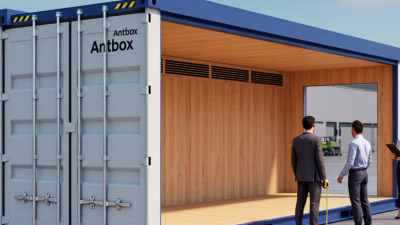
Open-side units improve access for wide tools and frequent stock movement. Flat-rack designs handle oversized loads, but they need careful securing and stronger site planning. In windy areas, the container type matters less than anchoring, connection details, and verified wind-load calculations. Setup time also varies. A basic unit may be ready within hours, while insulated or connected modules require lifting equipment and skilled installers. Lifecycle cost deserves attention. Coatings, seals, drainage, repairs, and future relocation can change the original budget. The lowest quote can age badly.
Tips: Request a payload schedule, wind-load data, and foundation requirements in writing. Compare setup labor, transport, maintenance, and removal costs. Leave clearance around doors and vents. Small planning errors become expensive later. I would also review the specification twice; overlooked details still happen, even on well-managed projects.