How to Choose the Right Btc Container for Global Buyers?
Choosing the right Btc Container for global trade involves more than comparing prices or exterior dimensions. Buyers must examine capacity, material quality, loading access, ventilation, drainage, and handling requirements. A container that looks suitable in a product image may perform poorly at a busy port or warehouse.
Start with the cargo itself. Measure its length, width, height, weight, packaging, and center of gravity. Consider forklifts, cranes, stacking limits, and repeated handling during transport. Ask the supplier for technical drawings, load ratings, inspection records, and clear maintenance instructions. These documents provide stronger evidence than attractive marketing language.
Check international transport expectations carefully. The Btc Container should match the required shipping route, vehicle equipment, and destination regulations. Confirm dimensions, securing points, labeling, and any applicable certification before placing an order. Local customs procedures can differ, even between neighboring markets. Professional suppliers should explain these differences without making vague promises.
Details matter.
Request samples, factory photographs, and references from comparable buyers. An independent inspection can reveal weak welds, uneven doors, poor seals, or damaged coatings. I have seen buyers focus on purchase cost and overlook unloading expenses, replacement parts, and delivery delays. That approach can become expensive quickly. Still, no checklist removes every risk. Specifications may change, and supplier information may require verification. A careful buying process leaves room for questions, testing, and revision. This guide explores how global buyers can evaluate a Btc Container with practical evidence, realistic budgeting, and responsible compliance decisions.
Understanding BTC Container Types and Their Global Applications
BTC containers serve different supply-chain needs, so type selection should follow the cargo, route, and handling conditions. Standard dry bulk containers suit powders, granules, and other stable materials. They usually include a reinforced frame, sealed doors, and discharge points. Liquid tank versions require compatible materials, pressure controls, and tested valves. An insulated or temperature-controlled type may protect sensitive goods during long ocean journeys.
Global buyers should examine the container’s internal volume, tare weight, loading method, and certification records. A 20-foot format can simplify port handling and rail transfer, while forklift pockets can improve warehouse operations. For liquid cargo, check the tank lining and gasket condition. Small defects may cause leakage, contamination, or costly delays. Ask for inspection reports, cleaning history, and maintenance records before payment.
Application also depends on the trade lane. A dry bulk container may work well between nearby industrial ports, but harsh weather demands stronger corrosion protection. Temperature-sensitive materials need monitoring devices and clear operating limits. Do not rely on photos alone. They can hide worn seals. A perfect choice does not exist. I would also review unloading equipment at the destination, because an efficient container can still fail when the receiving site lacks the correct pump or connection. Supplier communication matters, especially when technical terms differ across countries.
Assessing Capacity, Materials, Safety, and Performance Requirements
How to Choose the Right Btc Container for Global Buyers?
A suitable BTC container starts with the cargo, route, and handling method. Capacity should match the planned volume without exceeding axle, lifting, or storage limits. Leave practical headspace for expansion and safe movement. A larger tank is not always more efficient. It may increase transport costs and complicate unloading.
Material selection depends on temperature, density, and chemical compatibility. Stainless steel suits many demanding applications, while coated carbon steel can support specific non-corrosive cargoes. Check weld quality, wall thickness, seals, valves, and insulation carefully. Safety features should include pressure relief, secure closures, grounding points, and clear markings. Ask for inspection records, material certificates, and test dates. These documents support reliable purchasing decisions across borders.
Tips
Compare the container’s working pressure with the actual operating conditions. Confirm dimensions before booking transport or warehouse space. Review cleaning access, discharge speed, and spare-part availability. During inspection, look for dents, unusual corrosion, damaged fittings, or faded identification plates. A small defect can become expensive later. I have found that buyers sometimes focus on capacity and overlook maintenance access. That is an avoidable mistake. Still, no specification is perfect; climate, port equipment, and operator skill can change real-world performance. Choose a design that remains manageable under imperfect conditions.
How to Choose the Right BTC Container for Global Buyers?
Assessing capacity, materials, safety, and performance requirements
The comparison uses typical ISO freight-container reference specifications. A 20-foot container generally provides better payload efficiency, while 40-foot and 40-foot high-cube containers offer greater usable volume. Buyers should also verify weathering-steel construction, ISO corner castings, a valid CSC safety plate, door and floor condition, ventilation requirements, and the supplier’s declared maximum gross mass before shipment. Actual specifications may vary by manufacturer, route, and local regulations.
Checking International Standards, Certifications, and Shipping Compatibility
Choosing the right BTC container starts with international standards, not appearance.
A clean exterior can hide weak corner castings or a damaged floor. Check the CSC safety plate, manufacturing date, maximum gross mass, tare weight, and payload. Confirm that the dimensions match recognized ISO container specifications and your carrier’s equipment list.
Certifications must match the container’s intended use.
Ask for current inspection records, material certificates, welding reports, and load-test documents. For temperature-sensitive cargo, review insulation performance and refrigeration data separately. For general freight, verify door seals, locking bars, ventilation, and floor strength. A certificate alone is not proof of quality. Documents should identify the exact unit, not only the production series.
Shipping compatibility also depends on the destination port and transport route.
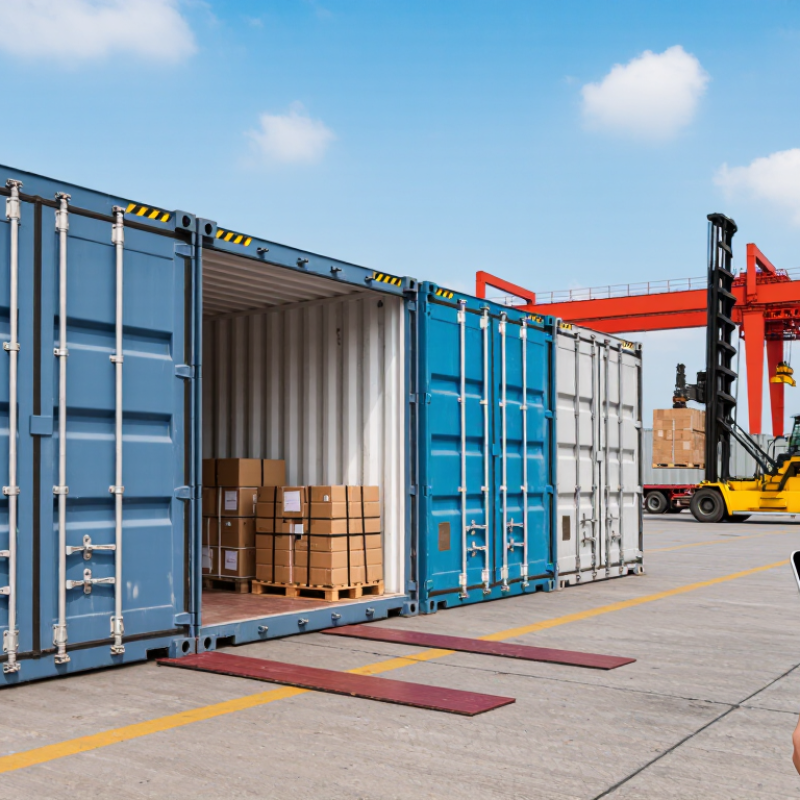
Confirm that the container fits standard twistlocks, chassis, cranes, and vessel restrictions. Check declared gross mass procedures, lashing requirements, customs paperwork, and any regional import rules before payment. Ask the supplier for recent loading photos and an independent inspection. Small details matter. A few millimeters of distortion may affect handling. I have seen buyers focus on price, then discover that local equipment could not safely move the container. That mistake is expensive, and it is easy to overlook during remote purchasing.
Comparing Suppliers, Pricing, Customization, and After-Sales Support
How to Choose the Right BTC Container for Global Buyers?
Choosing a BTC container requires more than comparing catalog prices. Examine the supplier’s production history, inspection records, and export experience. Ask for material specifications, load limits, corrosion protection, and test reports. A reliable supplier should explain weaknesses, not only highlight attractive features. Factory photos help, but independent inspection gives stronger evidence. Video checks are useful when visiting the facility is impossible.
Pricing should include packaging, inland transport, insurance, duties, and installation support. A low quotation may hide weak seals or expensive replacement parts. Customization can cover dimensions, access doors, insulation, ventilation, monitoring ports, and internal layouts. However, every modification can affect lead time and maintenance. I have seen buyers request complex features, then discover they rarely use them. That mistake deserves careful reflection. Choose practical changes that match climate, handling equipment, and local site conditions.
Tips: Request three comparable quotations using the same specification sheet. Confirm warranty duration, response times, spare-part availability, and technician support before payment. Ask how the supplier handles damaged deliveries and design defects. Check whether manuals use clear English and include maintenance intervals. Keep written approval for every customization. Good after-sales support is measurable, not merely a friendly promise. A dependable supplier provides traceable documents and realistic delivery updates.
Building a Practical Evaluation Checklist for Global Purchasing Decisions
How to Choose the Right Btc Container for Global Buyers?
Building a Practical Evaluation Checklist for Global Purchasing Decisions
A reliable BTC container should fit your cargo, route, handling equipment, and storage conditions. Begin with measurable details: internal dimensions, maximum payload, tare weight, door clearance, and stacking limits. Ask for drawings and recent inspection records, not only product photographs. Check the material grade, weld quality, coating thickness, and corrosion resistance. These details matter near ports, where salt air and repeated lifting can expose weak construction. Confirm whether the container suits forklifts, cranes, pallets, or automated loading systems.
Your checklist should also include documentation and lifecycle costs. Request test reports, maintenance guidance, serial tracking, and clear tolerances. Verify that certificates match the actual production model and destination requirements. Compare freight volume, repair access, replacement parts, cleaning procedures, and expected service life. A low purchase price can become expensive after one damaged shipment. I have found that buyers often overlook unloading conditions. That mistake is easy to make.
Tips: Measure the cargo twice. Test a sample before ordering. Ask who handles warranty claims overseas. Confirm communication during transit. Review photos from actual inspections. Leave a small safety margin for weight and dimensions. Do not accept vague phrases such as “international standard.” Define the standard in writing. Some checklist items may need revision after a pilot shipment, and that is normal. A practical evaluation improves through evidence, not assumptions.