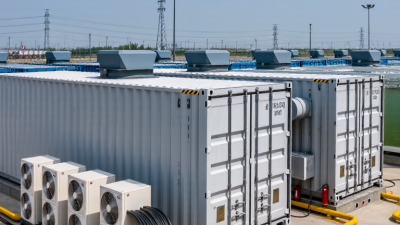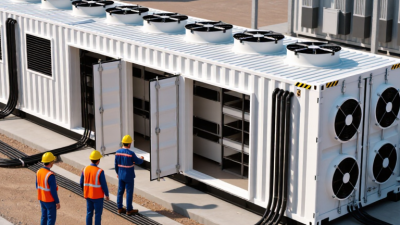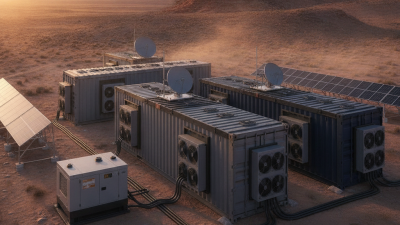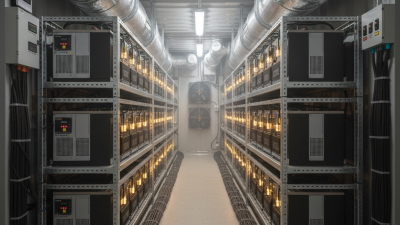
Buying a Bitmain Container in 2026 requires more than comparing a quoted price. It requires technical, financial, and regulatory due diligence. The International Energy Agency’s Electricity 2024 report projects data-centre electricity demand could exceed 1,000 TWh annually by 2026. That outlook makes power availability, cooling efficiency, and grid connection critical purchasing factors. Bitcoin mining adds another layer of uncertainty. Cambridge Centre for Alternative Finance reports that mining profitability depends heavily on electricity costs, hardware efficiency, uptime, and network conditions.
A Bitmain Container should therefore be evaluated as an integrated infrastructure system. Review the miner model, total hash rate, power draw, airflow design, temperature limits, and monitoring controls. Ask for serial numbers, factory test records, warranty terms, and a complete bill of materials. Confirm whether the quotation includes transformers, switchgear, distribution cabinets, fire protection, shipping, installation, and commissioning. Small omissions can become expensive surprises.
Check the seller carefully. Bitmain’s official documentation should be compared with every technical claim. Independent inspection is valuable before payment. Verify the container’s electrical design with qualified local engineers, and confirm import, environmental, workplace safety, and construction requirements in the destination country. These checks are not optional.
No checklist is perfect. A buyer may still underestimate curtailment, maintenance delays, or extreme weather. That is why a staged purchase can be safer than a rushed order. Request a site-specific energy model and realistic operating assumptions. Reliable decisions come from evidence, not impressive screenshots or unusually low prices.
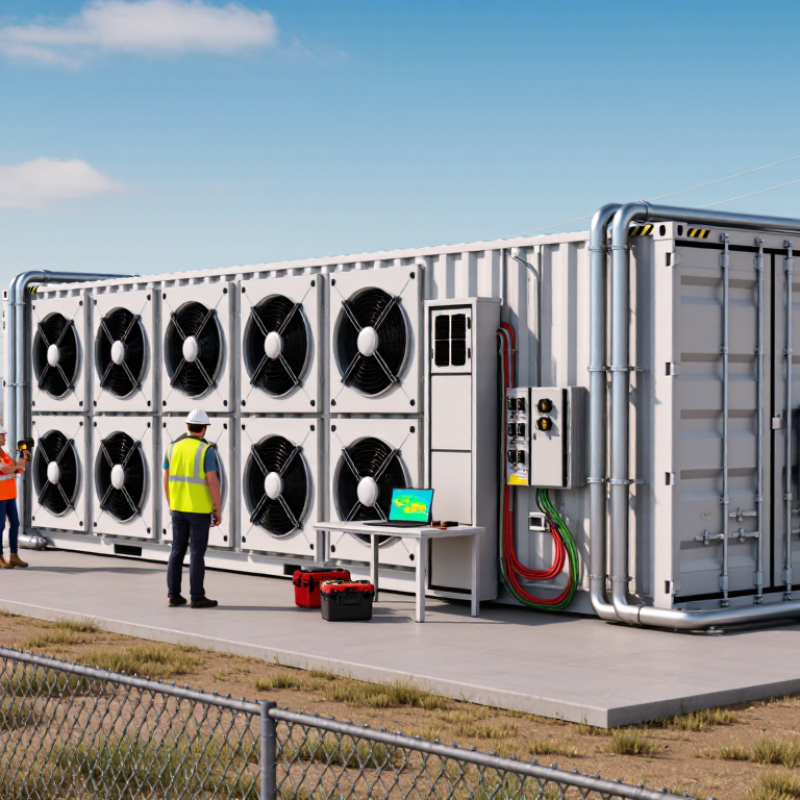
Before buying a mining container in 2026, define the capacity you can actually support. List the target hash rate, machine quantity, power draw, and expected expansion. A 1 MW load does not equal a 1 MW container. Cooling, networking, pumps, lighting, and electrical losses need additional capacity. I recommend reserving 10–15% headroom, although real operating conditions may demand more.
The International Energy Agency’s Electricity 2024 report projects global data-center electricity demand could exceed 1,000 TWh in 2026. Mining facilities will compete for limited power, especially in regions with unstable grids.
Cambridge Centre for Alternative Finance reported that sustainable sources supplied 52.6% of Bitcoin mining electricity in 2022. This makes power origin, pricing, and reliability important container requirements.
Ask for transformer capacity, voltage compatibility, cooling performance, noise limits, fire protection, and service access. Small details become expensive problems.
A practical estimate helps. If each machine consumes 5 kW, 180 machines require about 900 kW before overhead. A 1.2 MW electrical design gives room for cooling and future testing. Do not size only for today’s machines.
Hardware efficiency changes quickly. My own planning mistake would be trusting the nameplate rating too much; measured load at the site matters more. Also check winterization, dust filtration, drainage, and replacement-part access before signing. A container that fits the machines may still fail the location.
When buying a high-density mining container in 2026, compare usable power before advertised capacity. Compact 20-foot units often suit pilot sites and smaller deployments. Larger 40-foot designs support more racks, transformers, and service space. A practical comparison should include rack count, maximum electrical load, voltage, network layout, noise level, and fire protection. Some specifications are easy to misread.
Cooling determines operating stability. Air-cooled containers usually cost less and simplify maintenance. However, they need clean airflow, strong filtration, and enough fan capacity for hot weather. Liquid-cooled models remove heat more efficiently and can support higher rack density. They also require pumps, heat exchangers, leak detection, and trained technicians.
ASHRAE TC 9.9 places many air-cooled equipment classes near an 18–27°C recommended inlet range. Real sites often exceed that range during summer.
Energy efficiency deserves closer attention. The International Energy Agency estimated global data-center electricity use at about 460 TWh in 2022, with demand potentially exceeding 1,000 TWh by 2026. That growth makes cooling losses more expensive. Ask suppliers for measured fan power, pump power, thermal capacity, and performance at local temperatures. Do not rely only on laboratory figures. A container rated for 500 kW may deliver less in dusty, humid conditions. This is where my own evaluation would remain cautious: airflow tests, maintenance records, and a witnessed load test matter more than polished brochures.
How to Buy a Bitmain Container in 2026?
Verify Suppliers, Pricing, Availability, and Warranty Terms
Buying a mining container in 2026 requires more than comparing online prices. Request the supplier’s registered company details, physical address, recent project photos, and verifiable customer references. Ask for a live video inspection of the container, including power distribution, cooling equipment, control panels, and safety systems. Do not rely on polished images alone. They can hide unfinished wiring.
Pricing should show every major cost. Request separate figures for the container, mining hardware, shipping, installation, taxes, site preparation, and commissioning. Compare at least three written quotations with identical specifications. A low offer may exclude transformers, ventilation upgrades, or spare parts. Calculate the expected cost per operating kilowatt, not only the purchase price. My spreadsheet once missed local cabling, which changed the budget considerably.
Availability must be confirmed in writing. Ask for the production schedule, serial-number policy, inspection date, and estimated delivery window. Confirm whether equipment is new, refurbished, or previously operated. Warranty terms deserve careful reading. Check coverage periods, excluded components, response times, return procedures, and who pays transportation. Request technical support in your operating language. Keep invoices, test reports, photographs, and email approvals in one file. A signed warranty is useful, but unclear wording still creates problems. Have an independent electrician review the design before payment, especially where fire protection and electrical permits apply. Safety cannot be negotiated.
| Container Configuration | Typical Capacity | Cooling Design | Electrical Requirement | Indicative 2026 Budget Range* | Typical Availability | Warranty Terms to Confirm | Supplier Verification Evidence | Purchase Risk Level |
|---|---|---|---|---|---|---|---|---|
| 20-foot air-cooled mining container | Approximately 1.0–1.5 MW, depending on miner model, rack density, ambient temperature, and power-distribution design. | Forced-air cooling with intake filtration, exhaust fans, temperature monitoring, and internal cable distribution. | Usually medium-voltage site service stepped down to low-voltage distribution; final voltage, phase, frequency, breaker ratings, and grounding must be engineered for the destination site. | Approximately US$90,000–US$180,000 for an empty or lightly equipped container; mining hardware, transformers, shipping, installation, and taxes are commonly excluded. | Build-to-order Commonly quoted at 8–16 weeks after approved drawings and deposit. |
Confirm separate coverage for container structure, fans, control systems, power-distribution equipment, and labor. Request the start date, exclusions, response time, return procedure, and spare-parts policy in writing. | Business registration, verifiable physical address, technical drawings, serial-number policy, bank-account consistency, customer references, factory video call, and a signed pro forma invoice. | Medium Higher risk in hot, dusty, humid, or poorly ventilated locations. |
| 40-foot air-cooled mining container | Approximately 2.0–2.5 MW, subject to rack layout, miner efficiency, airflow design, and local electrical limits. | High-volume forced-air cooling with multiple fan banks, environmental sensors, filtration, fire detection, and emergency shutdown controls. | Requires detailed load calculation, transformer sizing, short-circuit protection, cable cross-sections, grounding, and compliance with the destination country’s electrical standards. | Approximately US$140,000–US$260,000 for the container system before miners, transformer, civil works, freight, commissioning, and import-related charges. | Build-to-order Typical production lead time is 10–20 weeks, excluding shipping and site preparation. |
Confirm whether the warranty covers the complete integrated system or only individual components. Verify whether fan motors, filters, sensors, PLCs, and installation labor are included. | Obtain a bill of materials, factory acceptance test procedure, load test report, packing list, export documentation, insurance certificate, and independent pre-shipment inspection rights. | Medium Project delays may result from utility approvals, transformer supply, or container customization. |
| 20-foot single-phase immersion container | Approximately 1.0–1.5 MW, depending on tank layout, dielectric-fluid capacity, heat-exchanger sizing, and miner compatibility. | Dielectric-fluid immersion with pumps, heat exchangers, fluid filtration, leak detection, and external heat-rejection equipment. | Requires compatible low-voltage distribution, fluid-system pump power, heat-rejection equipment, emergency isolation, and site water or dry-cooler planning where applicable. | Approximately US$160,000–US$320,000 for the container and immersion system; dielectric fluid, miners, transformers, cooling towers, freight, and commissioning may be extra. | Build-to-order Typical lead time is 12–24 weeks because tanks, pumps, heat exchangers, and controls may be customized. |
Confirm fluid compatibility, pump and heat-exchanger warranty, leak-related liability, fluid replacement terms, maintenance obligations, and whether the warranty remains valid after third-party servicing. | Request fluid safety data sheets, immersion compatibility test results, thermal-performance data, pump curves, electrical diagrams, maintenance manuals, and a documented leak-test report. | Medium–High Higher technical dependency and more complex maintenance than air-cooled systems. |
| 40-foot immersion container | Approximately 2.0–3.0 MW, depending on thermal design, tank count, heat-rejection capacity, and equipment density. | Multiple immersion tanks connected to a centralized pumping, filtration, monitoring, and heat-rejection system. | Requires a complete power and thermal study, dedicated protection systems, fluid containment, service access, lifting plans, and site drainage or spill-control measures. | Approximately US$260,000–US$500,000 before miners, dielectric fluid, transformers, heat-rejection equipment, civil works, freight, and taxes. | Build-to-order Typical lead time is 16–28 weeks, with commissioning scheduled after utilities and site works are complete. |
Confirm system-level performance guarantees, maximum allowable operating temperature, pump redundancy, spare-parts availability, commissioning support, and warranty claims jurisdiction. | Require a factory acceptance test, thermal-load test, pressure or leak test, control-system backup, spare-parts list, commissioning plan, and independent inspection before final payment. | High Large capital exposure and substantial dependency on engineering quality and site readiness. |
| Used or refurbished container system | Varies widely; capacity must be calculated from the actual installed power-distribution equipment, cooling equipment, and available rack space. | Existing air or immersion system; condition, remaining service life, corrosion, insulation, filters, pumps, and control hardware require inspection. | Must be re-tested against the destination site’s voltage, frequency, protection settings, grounding system, and local electrical regulations. | Approximately 40%–75% of comparable new-system pricing, excluding refurbishment, inspection, replacement parts, freight, and recommissioning. | Possible immediate availability Only accept “in stock” claims after live video inspection, serial-number verification, and an independent condition report. |
Often limited to 30–90 days or sold with restricted parts-only coverage. Confirm operating-hour limits, excluded wear parts, labor coverage, and refund rights for undisclosed defects. | Verify ownership records, equipment age, maintenance logs, photographs with current timestamps, serial numbers, export eligibility, lien-free status, and independent inspection results. | High Lower purchase cost can be offset by hidden defects, obsolete controls, and unavailable replacement parts. |
| Buyer-control checklist: Treat all prices as indicative planning ranges rather than firm quotations. Before payment, obtain a written scope of supply, Incoterms, payment milestones, delivery schedule, container dimensions and weight, electrical drawings, cooling-performance limits, spare-parts list, acceptance criteria, warranty exclusions, dispute jurisdiction, and a third-party pre-shipment inspection. Do not rely on screenshots, unverifiable warehouse photographs, cryptocurrency-only payment requests, or unusually low quotations. | ||||||||
Before ordering a mining container in 2026, inspect the site rather than the sales brochure. A 2 MW unit needs verified utility capacity, transformer access, grounding, drainage, and fire separation.
The International Energy Agency projects global data-center electricity demand could exceed 1,000 TWh by 2026. Local grid limits may become the real constraint. Obtain a written interconnection study and calculate continuous, peak, and startup loads. Small errors become expensive.
Power quality deserves serious attention. Specify protection against voltage imbalance, surges, harmonics, and overheating. Leave clear maintenance paths around switchgear and cooling equipment.
The Uptime Institute reported an average data-center PUE of about 1.56 in its 2024 Global Data Center Survey. That figure is not a guarantee. Dust, hot climates, and poor airflow can push your site higher. Test the cooling design during the hottest expected week, not on a mild afternoon.
Networking should include separate management and production segments, dual internet paths where practical, and monitored latency. Use locked cabinets, cameras, lighting, visitor logs, and tamper alerts.
Apply least-privilege access and offline recovery procedures. NIST Cybersecurity Framework guidance supports identifying, protecting, detecting, responding, and recovering from incidents.
Do not place remote controls on an exposed public address. I have seen otherwise careful plans ignore cable theft and water ingress.
Recheck the basics. A container is only as reliable as the ground, cables, people, and procedures supporting it.
Buying a mining container in 2026 requires more than comparing equipment prices. Define the required computing capacity, power load, cooling method, noise limit, and operating location. Request a complete technical file, including drawings, electrical ratings, safety certificates, warranty terms, and spare-parts availability. A qualified engineer should review these documents before any deposit is paid.
Ask for a factory inspection or an independent pre-shipment inspection. Check panel quality, cable labeling, ventilation fans, control cabinets, and emergency shutdown systems. Record serial numbers and photograph every visible component. Delivery planning matters just as much. Confirm road dimensions, unloading equipment, insurance, import requirements, and local permits. The site should have a level foundation, stable power, drainage, fire protection, and secure network access.
Installation should follow the approved electrical drawings, not guesswork. Use licensed electricians to verify grounding, phase balance, breaker settings, and insulation resistance. Commission the container gradually. Test cooling without full load, then increase power in controlled steps while monitoring temperature, voltage, airflow, and alarms. Keep a signed commissioning record.
I once saw a schedule fail because the crane arrived before the access road was measured. That mistake was avoidable. A realistic plan includes weather delays, replacement parts, and time for retesting. Performance can vary after installation, so document actual results instead of trusting promised figures.