How to Choose a Bitcoin Mining Shipping Container?
Choosing a Bitcoin Mining Shipping Container is not simply a matter of selecting the largest steel box. It is a practical infrastructure decision involving power, cooling, security, transport, and maintenance. A container may look ready outside while its internal airflow remains poorly designed. That mistake can reduce mining performance within hours.
Jaran Mellerud, a respected Bitcoin mining analyst, has stated, “Bitcoin mining is an energy business.” His observation gives this choice a useful direction. Before comparing suppliers, confirm the available electrical capacity, local climate, grounding, and connection costs. A hot, dusty site may require stronger filtration and additional cooling. A wet coastal site needs corrosion protection. These details sound ordinary. They often decide whether equipment operates steadily.
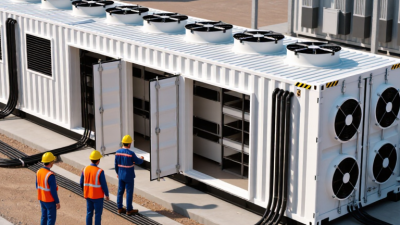
Look closely at the container’s power distribution system, ventilation path, fire protection, noise control, and monitoring equipment. Ask for thermal test records, component specifications, warranty terms, and maintenance procedures. Check whether technicians can safely reach each miner without shutting down the entire unit. Transport also matters. Verify dimensions, lifting points, road access, and unloading space before purchase. A container that cannot reach the site is an expensive metal problem.
There is no perfect design. A highly sealed container can protect equipment but may complicate heat removal. A cheaper cooling system may save money initially, then create recurring downtime. I would compare total operating costs, not only the quotation. Experienced suppliers should explain their assumptions clearly and admit limitations. That honesty is valuable. The right Bitcoin Mining Shipping Container should fit the site, the climate, the electrical plan, and the operator’s real maintenance ability.
Define the Bitcoin Mining Container’s Operational Requirements
How to Choose a Bitcoin Mining Shipping Container?
Define the Bitcoin Mining Container’s Operational Requirements
Start with the site, not the container. Record available voltage, phase capacity, transformer limits, and expected uptime. A mining load can run continuously, so a small electrical mistake becomes a daily cost. The International Energy Agency reported that data centers used about 460 TWh globally in 2022. Demand may exceed 1,000 TWh by 2026. Your container needs measurable power planning.
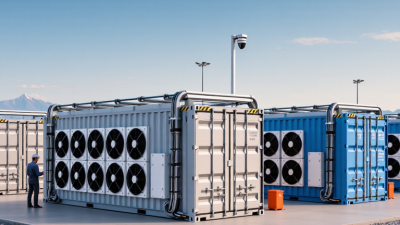
Heat is the second constraint. Modern mining hardware converts nearly all consumed electricity into heat. For example, a 1 MW installation may require roughly 1 MW of continuous heat removal. Define the cooling method, ambient temperature range, dust exposure, and acceptable noise level.
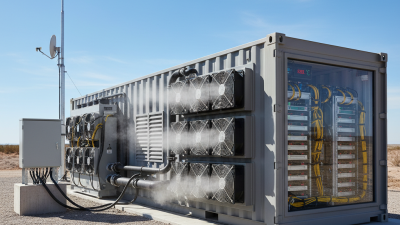
Air cooling needs strong filtration and airflow paths. Immersion cooling needs pumps, fluid volume, leak controls, and trained maintenance staff. It is not automatically easier.
Maintenance access matters more than attractive specifications. Allow clear space for replacing fans, cables, breakers, and mining machines. The Cambridge Digital Assets Programme has repeatedly identified electricity cost and hardware efficiency as major mining profitability drivers. Therefore, measure energy use at the container input, not only at individual machines.
Use PUE as a reference, but do not trust a perfect estimate. Real sites suffer from heat waves, dirty filters, and unexpected downtime.
I would also define winter and summer performance separately. This detail is often missed.
A design that works in cool weather may fail during a 40°C afternoon. Test emergency shutdowns, fire detection, drainage, and remote monitoring before deployment. The container is only the shell; operational discipline determines whether it performs.
Evaluate Container Size, Layout, and Mining Equipment Capacity
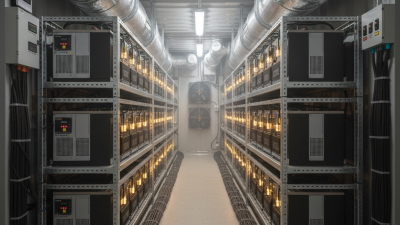
Choosing a Bitcoin mining shipping container starts with capacity, not appearance. Measure the miners, racks, power distribution units, and maintenance clearance. A 40-foot container may hold more equipment, but only if airflow remains practical. Leave clear space around each rack for inspection and replacement. Crowded layouts create heat pockets and slow emergency access.
Plan the internal arrangement around airflow. Place equipment in straight rows, with separate intake and exhaust paths where possible. Keep electrical panels accessible and route cables away from walking areas. Check the floor load before installation. Mining equipment is heavy, and uneven weight can complicate transport and placement. Include room for future units, but do not sacrifice safe working space. In practice, capacity estimates are often optimistic. Heat, cable bends, and technician access reduce usable space.
Tips:
Create a simple layout drawing before ordering the container. Mark rack widths, aisle distances, ventilation openings, and power entry points. Ask a qualified electrical professional to verify load calculations and local safety requirements. Test one equipment row if possible. It may reveal noise, heat, or clearance problems that drawings miss. A smaller, organized container can perform better than a larger, crowded one.
How to Choose a Bitcoin Mining Shipping Container?
Container size affects usable floor area, electrical capacity, cooling airflow, and the number of mining units that can be installed. The estimates below assume approximately 3.5 kW per mining unit, with space reserved for airflow, electrical equipment, maintenance access, and safety clearance.
Standard internal dimensions are approximately 5.9 m × 2.35 m × 2.39 m for a 20-foot container and 12.03 m × 2.35 m × 2.39 m for a 40-foot container. Actual capacity varies with miner dimensions, power distribution, cooling design, local electrical limits, and required service space.
Compare Power Supply, Cooling, Ventilation, and Noise Control
A Bitcoin mining container should be selected around its electrical design, not its external appearance. Mining loads run continuously, so confirm transformer capacity, three-phase voltage, grounding, protection, and cable temperature ratings. The International Energy Agency reports that data centers consumed about 415 TWh globally in 2024. Demand may approach 945 TWh by 2030. That pressure makes reliable power planning essential. I still distrust a perfect spreadsheet. Measure it twice.
Cooling performance depends on heat density and airflow. The IEA’s Energy and AI report notes that cooling can represent 7% to 30% of data-center electricity use. Choose a layout that separates hot exhaust from intake air, with washable filters and enough fan capacity for dusty sites. ASHRAE Technical Committee 9.9 commonly recommends 18°C to 27°C for air-cooled equipment, but mining hardware may require site-specific limits. Heat has nowhere to hide.
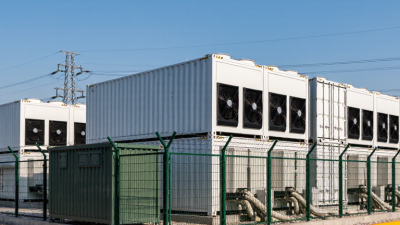
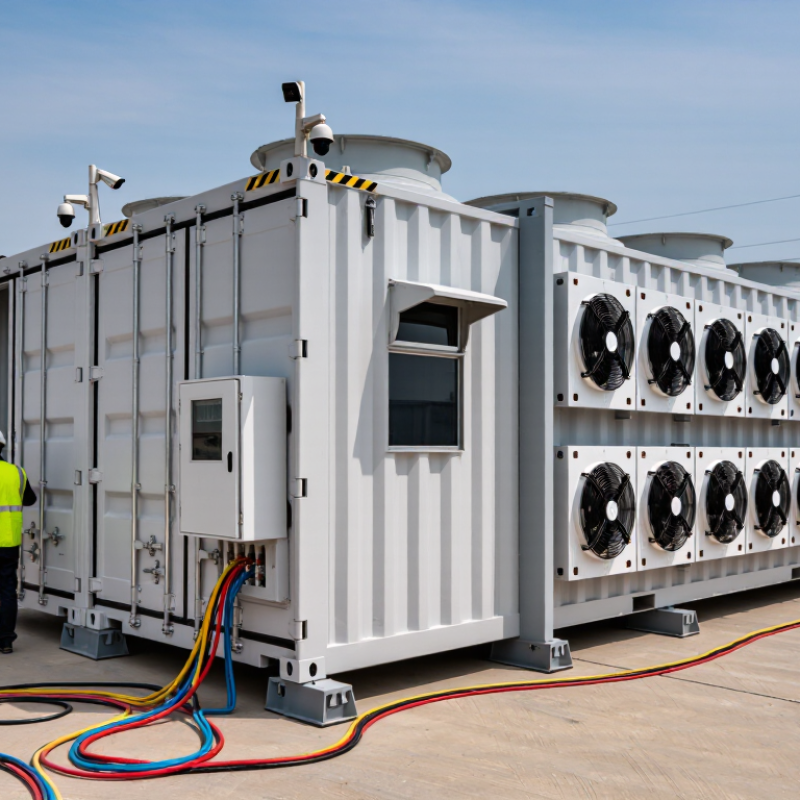
Ventilation openings should prevent rain entry while allowing unrestricted exhaust discharge. Add temperature sensors at intake and exhaust points, not only inside the control cabinet. Noise control also matters near homes and workplaces. NIOSH recommends limiting occupational exposure to 85 dBA over eight hours. Use lined exhaust sections, vibration isolators, and acoustic barriers with service access. Noise travels. A quieter container may need larger fans, which can increase power use; that trade-off deserves field testing before deployment.
Assess Security, Weather Protection, and Regulatory Compliance
Choosing a Bitcoin mining shipping container starts with security, not appearance. Security is layered. Use reinforced doors, tamper sensors, controlled key access, and separate network equipment from mining controls. The 2024 Verizon Data Breach Investigations Report found that the human element appeared in 68% of breaches. Therefore, restrict physical access and review access logs regularly. Cameras alone are not enough.
Weather protection must match the site. Heat is relentless. ASHRAE TC 9.9 recommends controlled temperature and humidity ranges for electronic equipment, but mining hardware can generate far greater heat loads. Select airflow paths, filtration, drainage, corrosion protection, and fire detection together. Check wind resistance and flood exposure before delivery. The Uptime Institute’s 2023 Global Data Center Survey reported that 60% of respondents experienced outages costing over $100,000. Poor cooling design can become an expensive operational weakness.
Regulatory compliance should be verified before installation. Confirm zoning approval, electrical permits, fire-code requirements, noise limits, worker-safety rules, and local energy restrictions. NIST Cybersecurity Framework guidance supports identifying, protecting, detecting, responding, and recovering from risks; these principles also fit container operations. Keep inspection certificates, wiring diagrams, emergency procedures, and maintenance records on site. Paperwork matters. Requirements differ by jurisdiction, and assuming one container design works everywhere is a mistake I would avoid. A checklist can still miss changing rules.
Calculate Shipping Costs, Deployment Needs, and Long-Term Value
How to Choose a Bitcoin Mining Shipping Container?
Shipping cost is more than the carrier’s quoted rate. Measure the container, equipment weight, loading method, and final site access. A crane may be necessary. That changes the budget quickly. Add port handling, inland transport, insurance, customs charges, and possible storage fees.
My first estimate was wrong. I ignored a narrow entrance and paid for extra handling.
Deployment needs should guide the container design. Confirm available power, electrical protection, ventilation, cooling, drainage, and noise controls before ordering. Check local permits and safety requirements. Leave working space around equipment, not just space for machines.
A muddy site can delay unloading. A level foundation also protects doors, cables, and cooling systems. Short planning meetings with an electrician and site engineer can prevent expensive changes later.
Long-term value depends on reliability, repair access, and future flexibility. Inspect insulation, corrosion protection, cable routes, fire safety, and monitoring provisions. Efficient cooling may cost more initially but reduce operating expenses over time. Consider whether the container can be relocated or upgraded.
Resale value is uncertain. Some custom modifications become liabilities. I would rather choose a simpler layout that technicians can service quickly.
Small details matter. A loose cable seal, blocked air path, or difficult filter change can create repeated costs across many operating months.