What Is an Antbox Container Used For?

What Is an Antbox Container Used For?

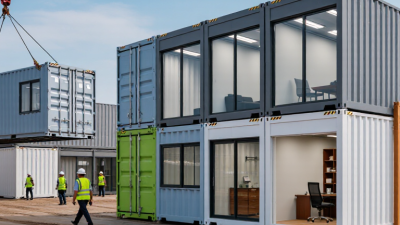
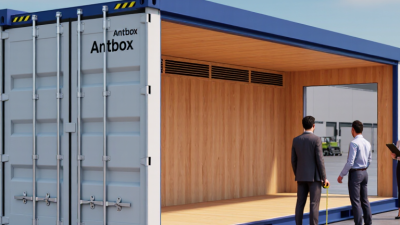
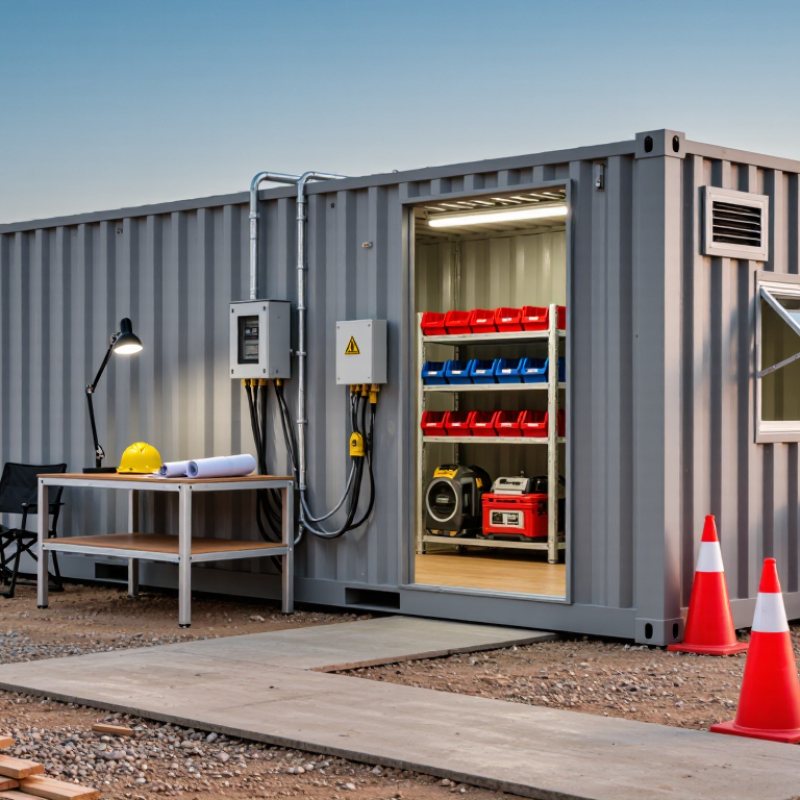
An Antbox Container can serve as a flexible space for storage, site offices, workshops, or temporary facilities. Its exact use depends on the model, layout, and site conditions. Picture a compact unit beside a worksite: tools sit behind a lockable door, while shelves keep small parts off the floor. Other configurations may support a desk, lighting, and basic electrical equipment. Practical details matter. Access, ventilation, insulation, and ground preparation can shape how comfortable and useful the container feels.

The name “Antbox Container” alone does not confirm a unit’s capacity or features, so buyers should check product specifications before planning a project. That is easy to overlook. For a verified expert quotation, confirm the speaker and wording with the company before publication; a proposed line is: “[Verified Antbox Container expert name]: ‘Choose the container around the work it must do, not just the space it occupies.’” This is suggested copy, not a confirmed quotation. A clear introduction should explore common applications, configuration choices, and practical limits, while distinguishing documented product details from assumptions. No container fits every site. Even a useful unit may need adjustments once people begin using it.
What Is an Antbox Container Used For?

What an Antbox Container Is and How It Is Designed

An Antbox container is a small, enclosed habitat designed to house an ant colony and make its activity visible. Its layout usually separates the nesting chamber from a foraging area, where ants can explore and collect food. Transparent walls offer a close view of tunnels, brood, and workers. Ventilation openings help manage airflow, while a water reservoir or moist insert supports nest humidity. A secure lid and fine mesh reduce escapes without sealing the habitat completely. Small details matter.

Design should balance visibility with the colony’s basic needs. A nest that looks clear but dries quickly is not a good habitat. In a 2022 PNAS study, researchers estimated that Earth holds nearly 20 quadrillion ants, with a combined biomass of about 12 million tonnes of carbon. That global estimate, by Schultheiss and colleagues, highlights how varied ant populations are; one enclosure design cannot suit every species. Match chamber depth, moisture, and airflow to the species being observed, and check them regularly. I would not assume the built-in water source is enough. A simple humidity check can reveal problems before the nest visibly dries.

How an Antbox Provides a Nesting Space for Ant Colonies

An Antbox gives an ant colony a defined place to nest, raise brood, and store food. Its connected chambers imitate parts of a natural nest, while clear walls let keepers observe tunnels and egg clusters without digging. The setup matters. Ants need suitable moisture, airflow, and darkness, but these needs vary by species. A water reservoir or damp substrate can create a humid nesting zone; a drier section gives workers a choice. Keep food and waste areas separate where possible. Less mess.

A global study in Proceedings of the National Academy of Sciences estimated about 20 quadrillion ants worldwide, drawing on 489 studies (Schultheiss et al., 2022). That scale reflects immense diversity, not one universal nesting preference. An Antbox should therefore match the colony’s known habitat and size, with room to expand as brood numbers grow. Check condensation, mold, and blocked passages regularly. A nest that looks tidy may still be too wet. Clear viewing panels help, but frequent disturbance can stress a colony. The balance is imperfect: visibility for the keeper can mean less darkness for the ants.

Using an Antbox for Feeding, Observation, and Colony Care

What Is an Antbox Container Used For?

An antbox gives a colony a contained space for feeding, observation, and routine care. A well-designed setup provides ventilation, a suitable nesting area, and room for a small feeding dish. Keep food away from the nest entrance when possible. This helps limit crumbs and sticky residue near the brood. A shallow dish is easier to clean.

Observation works best when the colony is left mostly undisturbed. Watch workers carry food, tend larvae, and move between the nest and feeding area. These small details can help you notice changes in activity or moisture. Avoid opening the enclosure often; repeated disturbance may stress the ants. I still find it easy to check too frequently, especially when a colony is new. That habit is worth reconsidering.

Tips: Remove uneaten fresh food before it spoils. Check water access and ventilation regularly. Keep the antbox out of direct sunlight, where temperatures can rise quickly. Make changes gradually, and note what the colony responds to.

What Is an Antbox Container Used For? - Using an Antbox for Feeding, Observation, and Colony Care
Use What You Do Practical Setup Care Notes
Feeding Offer suitable food and water so workers can forage and bring resources back to the colony. Place food in a small, removable feeding area. Provide water in a secure dispenser or on a suitable moisture source. Remove uneaten perishable food before it spoils. Avoid open pools of liquid, which can trap ants.
Observation Watch foraging, brood care, nest organization, and changes in colony activity. Use a clear viewing area and keep the container in a stable location away from direct sunlight and strong vibration. Observe without frequent handling or disturbance. Activity can vary with species, temperature, time of day, and colony stage.
Colony Care Maintain a clean, secure environment with appropriate access to food, water, and nesting conditions. Check that lids, seams, and ventilation openings are secure and appropriate for the size of the ants. Remove moldy food and excess waste when practical. Avoid over-cleaning occupied nest areas, which can disturb the colony.
Moisture Management Provide humidity or water access suited to the species and the container’s design. Follow the container’s instructions and keep any water reservoir or damp area accessible without flooding the nest. Needs differ between species. Check for excessive condensation, standing water, or persistently dry nesting areas.
Escape Prevention Keep ants contained during feeding, cleaning, and routine checks. Inspect closures and ventilation before opening the container. Work over a tray or another secure surface when possible. Use only escape barriers intended for ant enclosures, and keep them away from food and water. Follow local rules for keeping ants.
Routine Checks Review food, water, cleanliness, ventilation, and the condition of the colony. Make brief, regular checks and note changes in feeding, activity, or visible brood. Do not treat a single change in activity as a diagnosis. Seek species-specific guidance if the colony shows persistent signs of stress.

Common Settings for Keeping Ants in an Antbox

What Is an Antbox Container Used For?

Common Settings for Keeping Ants in an Antbox

An antbox is a contained habitat for observing and caring for an ant colony. In classrooms, it lets students watch workers build tunnels, tend brood, and gather food without opening the nest. At home, a well-managed antbox can support close observation while limiting escapes. Small research and teaching collections may also use one for temporary housing or routine colony checks. A clear wall helps, but it can tempt people to disturb the nest too often.

Moisture and ventilation matter. Many setups separate a humid nesting area from a drier foraging space, giving ants room to choose conditions. Keep food scraps modest and remove spoiled pieces; standing moisture and leftover food can encourage mold. A 2022 study in Proceedings of the National Academy of Sciences estimated about 20 quadrillion ants worldwide. That estimate describes ants across many habitats, not how many belong in a box. Species, colony size, and life stage should guide enclosure choice. An oversized nest may make a small colony harder to monitor.

Tips: Place the box away from direct sun and vibration. Check water access and ventilation regularly. Keep observations brief. If a colony seems inactive, pause before changing several conditions at once; the cause may not be obvious.

Factors to Consider When Choosing and Maintaining an Antbox

An antbox is a contained habitat for observing and caring for an ant colony. Its design should support nesting, foraging, hydration, and safe access for cleaning. A secure lid and fine ventilation openings help prevent escapes while allowing airflow. Choose a size that suits the colony, with room to expand, but avoid an oversized nest that stays damp and difficult to monitor.

Species needs matter. A 2022 Proceedings of the National Academy of Sciences study combined 489 surveys and estimated about 20 quadrillion ants worldwide. That scale reflects extraordinary diversity, not one universal care recipe. Check the colony’s preferred temperature, moisture, and food before choosing substrate or hydration features. A removable feeding area makes it easier to clear crumbs and leftover protein. Keep the box out of direct sunlight, where temperatures can rise quickly.

Maintenance is mostly careful observation. Refill water without flooding the nesting material, remove spoiled food, and inspect seams and ventilation regularly. Even a tidy setup can develop mold. I would not trust appearance alone; a dry-looking surface can hide damp patches underneath. Record temperature and humidity when possible, then adjust gradually rather than making sudden changes. Replace damaged parts promptly, and handle the colony only when necessary.