7 Antminer Container Buying Tips for Global Buyers

7 Antminer Container Buying Tips for Global Buyers

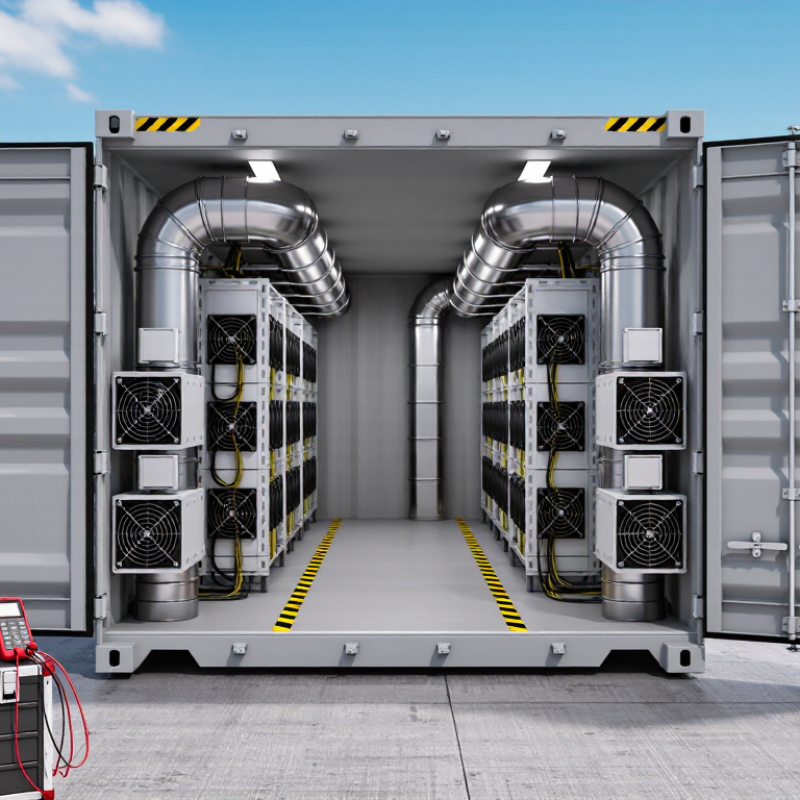
A mining container is not just a steel box with racks. An Antminer Container must match the miners, site conditions, power supply, cooling method, and maintenance plan. Global buyers should compare complete operating requirements, not headline capacity alone. Small details matter.

Start with usable rack space and confirm dimensions against the exact Antminer models you plan to install. Ask for documented power ratings, distribution layouts, cable specifications, and protection features. Have a qualified electrician review these details before purchase. Cooling deserves the same attention. Request airflow diagrams, fan or cooling-system data, and expected operating ranges. Dust, humidity, and local temperatures can change performance quickly. A neat product photo cannot show that.

The seven buying tips should also cover material quality, fire and electrical safeguards, loading access, shipping dimensions, warranties, and after-sales support. Request recent test records, clear equipment lists, and written answers about what is included. Check whether the seller can explain installation needs without vague promises. Verify transport arrangements, import paperwork, and local technical requirements with relevant professionals; rules vary by destination. Good documentation helps.

Price still matters, but a low quote can hide missing components or costly site work. Compare total delivered and installed costs, then keep a contingency for repairs and delays. I would not assume every advertised capacity is practical in every climate. That deserves a second look. These checks help global buyers make a more informed decision and reduce avoidable surprises before committing.
7 Antminer Container Buying Tips for Global Buyers

Understand Antminer Container Types and Their Intended Uses

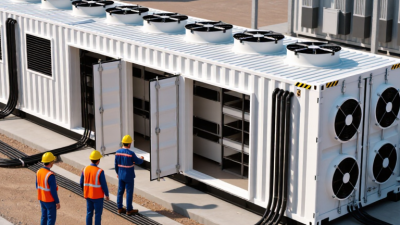
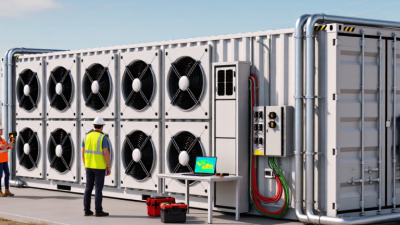
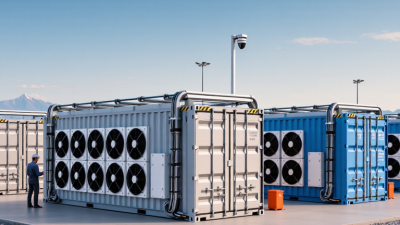
Mining containers serve different operating conditions, so compare the cooling design before comparing capacity. Air-cooled units move heat through fans and vents. They suit sites with reliable airflow and room for hot-air exhaust. Air needs room. Dust, high outdoor temperatures, and fan noise can reduce comfort and performance if the site layout is poorly planned.

Immersion-ready containers use a liquid system to remove heat from specially configured equipment. They can be useful where dense installations make airflow management difficult, but require compatible tanks, fluid handling, and trained maintenance. Modular containers may arrive with electrical distribution, ventilation, and monitoring arranged as a package. Check what is actually included; “ready to operate” can mean different things between suppliers. A detailed equipment list prevents unpleasant surprises.

Tips: Match the container to your climate, available power, service access, and cooling method. Ask for airflow diagrams or liquid-system specifications, plus operating limits and maintenance intervals. Visit a comparable installation if possible. A container that looks efficient on paper may need changes after a real site survey, and that is worth admitting early.

Define Capacity, Power, Cooling, and Site Requirements

Before requesting container quotes, define the usable mining load, not just the advertised capacity. Add each machine’s rated watts, then allow headroom for fans, controls, and electrical losses. A 1 MW mining load produces roughly 1 MW of heat. That heat must leave the container continuously, even on hot, dusty days. Specify local summer temperatures, humidity, altitude, and acceptable noise levels; these details affect cooling performance and placement. Small omissions become expensive.

Grid figures show why site checks matter. The International Energy Agency’s Electricity 2024 report estimated data centres used 460 TWh worldwide in 2022, with demand potentially exceeding 1,000 TWh by 2026. The U.S. Department of Energy and Lawrence Berkeley National Laboratory estimated U.S. data centres consumed 176 TWh in 2023. These figures cover data centres broadly, not mining containers, but they underline the need to verify supply capacity. Ask the utility or electrical engineer to confirm transformer headroom, voltage, phase, protection, and connection timing. Then compare cooling capacity against the actual machine load, not a brochure’s best-case rating. I would leave a margin. A tidy spreadsheet can still miss cable routes, drainage, or space for maintenance; walk the site before finalizing the layout.

7 Antminer Container Buying Tips for Global Buyers - Define Capacity, Power, Cooling, and Site Requirements
Tip Planning Dimension Practical Planning Guidance What to Confirm Before Purchase
1 Define miner capacity Calculate the required miner count from the selected models’ physical dimensions, operating clearances, cable routes, and service access. As a sample load calculation, 200 miners drawing 3.5 kW each require 700 kW for miners alone; this is an example, not a standard container capacity. Request a layout showing the exact number of machines, rack or shelf arrangement, aisle and maintenance clearances, and any space reserved for electrical or cooling equipment.
2 Size the electrical supply Calculate total demand using the miners’ rated input power, then add fans, pumps, controls, lighting, and other auxiliary loads. Have a qualified electrical engineer determine transformer, switchgear, feeder, and protection ratings; continuous-load rules vary by local code. Confirm the site’s available capacity, utility connection point, voltage, frequency, phase, grounding arrangement, and whether the quoted container load includes cooling and auxiliary equipment.
3 Verify voltage and distribution Match the distribution design to the selected miners and the site supply. Three-phase distribution is commonly used for large industrial loads, but the required voltage and circuit arrangement depend on the equipment and local electrical standards. Obtain single-line diagrams, breaker and cable schedules, protection details, metering information, and confirmation that the design complies with the destination country’s electrical requirements.
4 Plan heat removal and airflow Nearly all electrical power consumed by mining equipment becomes heat. For reference, 1 kW of heat is approximately 3,412 BTU per hour; a 700 kW miner load therefore represents about 2.39 million BTU per hour before auxiliary loads. Actual cooling capacity must account for ambient conditions and system performance. Ask for the cooling design basis, rated airflow or cooling capacity, operating temperature range, filtration approach, fan or pump redundancy, and performance data for the expected local climate.
5 Check environmental conditions Ambient temperature, humidity, dust, rain, wind, and corrosive or salty air can affect equipment operation and service life. Cooling and enclosure specifications should be selected for the actual site rather than for an assumed average climate. Confirm the permitted inlet-air conditions, enclosure protection rating, filter maintenance needs, weather protection, and any required measures for dust, condensation, or corrosion.
6 Assess the site and logistics Allow for the container footprint, safe working space, equipment access, cable trenches or overhead routes, drainage, and delivery-vehicle access. Foundation and anchoring requirements depend on soil conditions, container weight, wind exposure, and local construction rules. Check transport dimensions and weight, unloading method, crane or lifting requirements, ground-bearing capacity, flood and drainage risks, fire access, and local permits before ordering.
7 Review operations, safety, and service Plan for routine filter and fan maintenance, electrical isolation, monitoring, spare parts, and safe access. Noise levels and emissions or operating restrictions may also be relevant near homes, businesses, or protected areas. Request maintenance procedures, alarm and monitoring functions, emergency shutdown arrangements, warranty scope, service response expectations, and available sound-level data with its measurement conditions.

Check Supplier Credentials, Equipment Specs, and Compatibility

A container is a power system, not just a metal enclosure. Ask suppliers for verifiable company records, factory test reports, and references for comparable installations. Then match miner input voltage, frequency, phase, and connector type against the site supply. Confirm the stated load includes cooling fans and control equipment. A 200-unit deployment drawing 3.5 kW per unit needs 700 kW for miners alone. Allow headroom for auxiliaries and startup conditions. Small gaps matter.

The International Energy Agency’s Electricity 2024 report estimates that data centres, AI, and cryptocurrency together used about 460 TWh in 2022. It projects demand could exceed 1,000 TWh by 2026. This broad estimate is not a mining-container specification, but it underlines why power capacity and efficiency deserve careful review. Check busbar ratings, breaker coordination, grounding, and cable routes. Request measured airflow and operating-temperature limits, not just fan counts. A specification sheet can still miss the service aisle.

Compatibility also includes networking, monitoring, and maintenance access. Confirm supported network connections, control interfaces, and whether replacement parts can be reached without moving adjacent equipment. The Cambridge Centre for Alternative Finance’s 2023 Digital Mining Industry Report estimated that 52.6% of surveyed mining electricity came from sustainable sources. That figure describes respondents, not every facility. Ask suppliers to state assumptions behind any efficiency or cooling claims. Then compare them with your site conditions. It happens. A container may fit on paper but fail a local transformer or ventilation constraint. Verify drawings and commissioning tests before shipment.

Compare Total Costs, Shipping, Import Rules, and Delivery Terms

Buying a mining container requires more than comparing the equipment price. Request an itemized quote covering the container, cooling system, electrical work, inland transport, port charges, insurance, and commissioning. Check whether the quoted price includes export packing and loading. Small omissions add up. Ask for the container’s dimensions, gross weight, lifting points, and electrical load before booking transport. These details affect vehicle choice, handling fees, and site preparation.

Shipping schedules and costs can change quickly. UNCTAD’s Review of Maritime Transport 2024 reported that global maritime trade grew 2.4% in 2023, while disruption at key routes added pressure to shipping networks. Treat transit estimates as estimates, not promises. Compare port-to-port and door-to-door quotes, and confirm who pays demurrage, storage, and destination handling charges. Keep it in writing. A low freight quote may exclude costly local delivery.

Import rules depend on the destination country and the exact equipment configuration. Confirm tariff classification, documentation, electrical standards, and any inspection requirements with local customs authorities or a qualified broker before payment. Specify the delivery term and named place in the contract, then clarify when risk transfers and who handles unloading. I have seen projects lose days over a missing site crane. It is an easy detail to overlook. Build a realistic buffer for customs clearance, last-mile access, and installation checks.

7 Antminer Container Buying Tips for Global Buyers

Compare total costs, shipping, import rules, and delivery terms before placing an order.

Typical planning ranges shown are 2–7 days for express courier, 5–12 days for air freight, and 20–45 days for ocean freight. These are indicative transit estimates, not guaranteed delivery times; routes, schedules, congestion, and handling can change them. Compare freight and insurance quotes, check destination-country duties and import requirements, and confirm the Incoterms® rule and delivery responsibilities. Customs clearance and inland transport are not included in the ranges.

Inspect the Container and Confirm Commissioning Before Handover

Inspect the container before signing the handover record. Check the frame for dents, corrosion, and water marks, especially around roof seams and cable entries. Open each access door and confirm that locks, seals, lighting, and emergency exits work. Look beneath the floor for standing water or loose debris. A fresh coat of paint proves little. Photograph defects beside a ruler or site marker, then attach the images to the inspection log.

Commissioning should be witnessed under a representative operating load, not just demonstrated with empty racks. Record voltage, current, phase balance, airflow direction, and temperatures at several rack positions. Verify alarms, shutdown controls, ventilation fans, and network monitoring. Allow readings to stabilize, and compare them with the agreed design limits. Uptime Institute’s 2024 Annual Outage Analysis reported that 54% of respondents’ most recent significant outages cost more than $100,000. That finding reinforces the value of documented checks; it does not guarantee a fault-free installation.

Keep the evidence. Request signed test sheets, equipment serial-number lists, updated wiring diagrams, maintenance instructions, and a clear record of unresolved issues. Confirm who owns each open item and its due date. If readings fluctuate, repeat the test after conditions stabilize rather than accepting a convenient snapshot. This can delay handover. Still, undocumented assumptions are harder to fix once the container is running remotely.