Top Container Mining Companies for Global Buyers?

Top Container Mining Companies for Global Buyers?

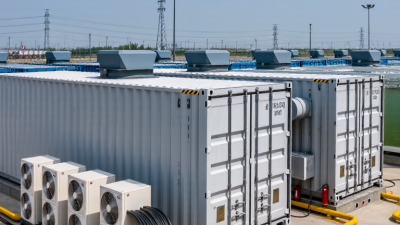
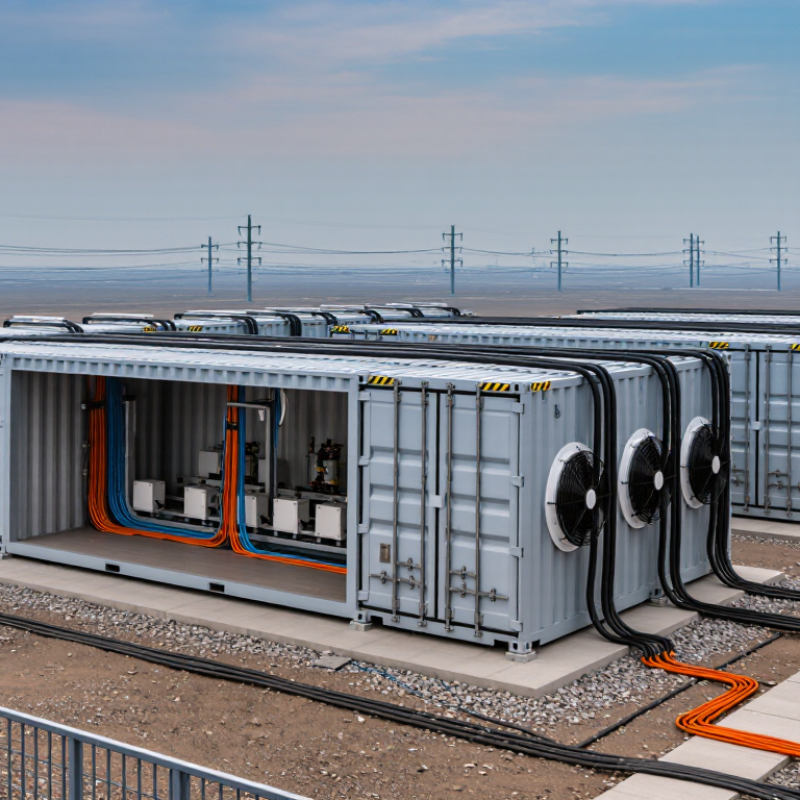
Container Mining brings computing power into a transportable, purpose-built space. These units can arrive with racks, cooling equipment, electrical systems, and network connections already integrated. For global buyers, the appeal is tangible: a steel enclosure, organized cable runs, and a deployment plan that can be inspected before installation. Yet a container is not a complete operation by itself. Power availability, cooling performance, maintenance access, and supplier support all shape its real value.

Bitcoin’s creator, Satoshi Nakamoto, wrote, “The steady addition of a constant of amount of new coins is analogous to gold miners expending resources to add gold to circulation.” That observation concerns mining, not container design. Still, it highlights an important point: operating costs matter. Buyers comparing container mining companies should examine equipment specifications, documented operating conditions, warranty terms, and delivery capabilities. Ask how the system handles dust, heat, and routine repairs. Ask for measurable performance data, not only polished renderings.

This guide introduces providers and practical comparison criteria for international purchasers. Company claims deserve careful checking. A listed capacity may not match performance at a buyer’s site, especially where climate and power conditions differ. Even a well-built unit can disappoint if its cooling design or service plan is poorly matched. The details are easy to underestimate. That is worth remembering.
Top Container Mining Companies for Global Buyers?

What Are Container Mining Companies and How Do They Operate?

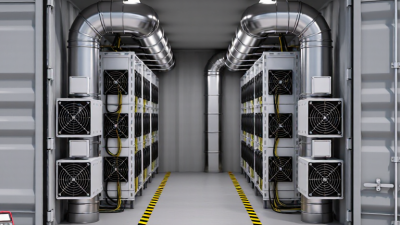
Container mining companies design, build, or operate modular facilities that house computing equipment in shipping-container-sized units. These units often support cryptocurrency mining, where specialized computers perform calculations to validate transactions on a blockchain. The container is not a mine in the traditional sense. It is a compact data center, with racks, power distribution, ventilation, and monitoring systems fitted inside.

Operations begin with a site assessment. Teams check electricity capacity, network access, weather, and local operating requirements before placing containers. Inside, machines draw substantial power and produce considerable heat. Fans or other cooling systems move hot air away from the equipment, while sensors track temperature, humidity, and power use. Staff may inspect filters, cables, and machine status remotely, then visit the site when repairs require hands-on work. Small faults matter. A blocked air intake can raise temperatures and reduce performance.

Some companies only manufacture containers; others provide installation, maintenance, or full facility operations. Buyers should clarify what each service includes, such as equipment commissioning, cooling design, and ongoing support. Power costs and machine efficiency can strongly affect operating results, so performance estimates need careful review. A neat container layout does not guarantee reliable output. Even experienced operators can misjudge cooling needs or maintenance time, especially when conditions change across seasons. Ask for measured operating data and a clear plan for downtime, not just capacity figures.

Key Technologies Used in Containerized Mining Systems

Containerized mining systems combine computing equipment, power distribution, cooling, and monitoring inside modular enclosures. For global buyers, the key technologies affect operating costs and uptime more than the container’s appearance. A well-designed layout keeps electrical panels accessible and separates hot exhaust from incoming air. That detail matters. Poor airflow can leave equipment near the center running hotter than units beside the walls.

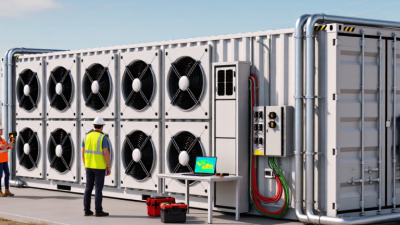
Cooling options include direct air cooling, filtered ventilation, and liquid-based systems. The right choice depends on local temperature, dust levels, humidity, and available power. Sensors can track temperature, airflow, and electrical load, while remote monitoring helps operators spot unusual readings early. Protection systems also matter: suitable alarms, emergency shutdowns, and fire detection should be planned with qualified engineers. Specifications vary, and a neat equipment diagram does not guarantee easy maintenance. Check service access, spare-parts plans, and measured noise levels before comparing suppliers.

Tips:

Ask for operating data from a comparable site, not just peak-capacity figures. Check how filters are replaced and how heat is managed during hot weather. Leave room for inspection. It is easy to underestimate maintenance space, and that mistake can become expensive. A site assessment by an electrical and cooling professional can help confirm whether the proposed system fits local conditions.

Leading Container Mining Companies Serving Global Buyers

Leading container mining companies serve global buyers through modular, factory-built units for high-density computing. Their work includes thermal design, electrical integration, remote monitoring, and site commissioning. Experienced suppliers publish load calculations, cooling capacity, noise levels, and operating limits. That evidence matters. Buyers should request test reports, not polished claims.

Reliable providers adapt units to local voltage, climate, customs rules, and grid conditions. A container designed for a cool inland site may underperform in humid coastal heat. Strong engineering teams specify airflow paths, filtration, fire detection, and safe cable routing. They also provide spare-parts plans and technician training after delivery. This is often overlooked. Delivery dates can shift when permits or transformers arrive late. A professional supplier explains these risks early and records changes in writing.

Global buyers can compare warranty terms, energy-efficiency data, uptime assumptions, and maintenance access. Independent factory inspections add useful confidence before final payment. Still, no supplier can guarantee identical results across every location. Dust, unstable power, and poor internet service remain practical constraints. Some proposals look complete but omit replacement costs. Careful buyers should model five-year operating expenses, not only the container price. A capable supplier welcomes difficult questions, although its first proposal may still need correction.

How to Compare Capacity, Efficiency, and Deployment Options

Comparing container-based mining providers starts with usable capacity, not advertised maximums. Ask how many machines fit after space for airflow, cabling, and maintenance access is reserved. A densely packed container may look efficient on paper but run hotter in practice. Request site-specific power estimates, including startup loads and expected operating limits. Small details matter.

Efficiency needs more than a headline energy figure. Compare power use against computing output, and ask whether cooling consumption is included. Fan speed, dust, humidity, and outdoor temperature can change results. Request test conditions and measured operating data, not just projections. A short trial can reveal hot spots or unstable airflow, though one trial may not represent a full season.

Deployment options shape both schedule and operating risk. Check whether units arrive ready for connection or require separate electrical, network, and cooling work. Confirm lifting access, foundation needs, service clearance, and available spare parts before choosing a site. Modular capacity can make expansion easier, but only when power and cooling infrastructure can grow too. These comparisons are imperfect; site conditions often upset tidy spreadsheets. Keep assumptions visible, and compare proposals using the same workload and weather conditions.

International Purchasing, Compliance, and Supplier Evaluation Criteria

Global buyers evaluating containerized mining systems need more than production capacity. UNCTAD’s Review of Maritime Transport 2024 states that maritime shipping carries over 80% of global merchandise trade by volume. Therefore, purchasing teams should verify container dimensions, gross-weight limits, door seals, serial plates, and loading records before shipment. A supplier should also provide technical drawings, factory test results, maintenance instructions, and clear documentation for customs classification and country of origin.

Compliance must be checked before signing, not after arrival. Request evidence of electrical safety testing, fire protection design, structural load testing, and environmental performance. Local installation rules may differ from export-market requirements. The World Bank’s Logistics Performance Index 2023 measures customs, infrastructure, logistics competence, tracking, and timeliness. These factors belong in supplier scoring, not only price comparisons. Ask for recent delivery records, inspection reports, spare-parts lead times, and references from similar operating environments.

A practical scorecard can assign 30% to compliance, 25% to engineering quality, 20% to delivery reliability, and 15% to after-sales support. The remaining 10% should cover total landed cost. Price alone misleads. In practice, a polished brochure can hide weak documentation or difficult warranty terms. That risk is easy to underestimate. Buyers should audit one finished unit, review contract remedies, and confirm Incoterms, insurance, acceptance testing, and payment milestones. No evaluation model is perfect, but transparent evidence makes mistakes easier to detect.

Top Container Mining Companies for Global Buyers? - International Purchasing, Compliance, and Supplier Evaluation Criteria

Supplier evaluation framework for purchasing freight containers for mining operations. The criteria and weights below are a suggested buyer-side scoring model, not a ranking or performance claim about any supplier.

Evaluation criterion Suggested weight What to evaluate Reference or factual benchmark Evidence to request Buyer decision check
Mining-use suitability 20% Match container type, dimensions, access, ventilation, and any required modifications to the cargo and site conditions. ISO 668 specifies series 1 freight-container classifications and principal external dimensions. Common nominal external dimensions include 20 ft: 6,058 × 2,438 mm; 40 ft: 12,192 × 2,438 mm. Common standard height is 2,591 mm; high-cube height is 2,896 mm. Technical drawings, internal and door-opening dimensions, container type, modification drawings, and a cargo-fit confirmation. Confirm dimensions and configuration against the purchase specification; do not assume all internal dimensions are identical.
Design and test conformity 15% Check whether the offered container design and intended use meet the applicable technical specification. ISO 1496-1 covers specifications and testing for series 1 general-purpose freight containers. The applicable standard and edition should be stated in the contract. Type-approval documents, test reports, drawings, and confirmation of the standard and edition used. Verify that documents correspond to the offered model and configuration, rather than a different product.
Safety approval and condition 15% For applicable international transport, review safety approval status and inspect the container’s structural condition. The International Convention for Safe Containers (CSC) provides for safety approval and examination. Under the periodic examination scheme, examination intervals must not exceed 30 months; an approved ACEP scheme may be used instead, subject to its requirements. Photographs of the CSC Safety Approval Plate, examination status or ACEP marking, inspection report, and repair history if applicable. Confirm approval and examination status for the intended transport; arrange an independent inspection where condition is material to the purchase.
Payload and load limits 10% Check gross mass, tare mass, payload, floor capacity, and any project-specific load distribution requirements. Payload is calculated as rated gross mass minus tare mass. Container ratings vary; use the figures marked on the specific unit’s Safety Approval Plate and manufacturer documentation rather than a universal payload value. Plate details, unit specification, floor/load data, and any engineering assessment required for concentrated or unusual loads. Confirm the marked rating and project load calculations before loading or modifying the unit.
Identification and traceability 10% Check that each unit can be uniquely identified and its records linked to the delivered container. ISO 6346 defines container identification and marking. The standard identification structure includes a three-letter owner code, one-letter equipment category identifier, six-digit serial number, and check digit. Unit-number list, photographs of markings, inspection records, and matching shipping and commercial documents. Reconcile the unit identifiers across the contract, packing list, inspection records, and transport documents.
Import and trade compliance 10% Assess requirements in the destination market, including customs documentation, origin declarations, tariff classification, and applicable restrictions. Import rules and required documents depend on the destination, transaction, product classification, and current regulations; there is no single universal checklist for every shipment. Commercial invoice, packing list, transport documents, origin information, proposed tariff classification, and any destination-specific permits or declarations. Have the importer or customs adviser validate the requirements for the destination before shipment.
Supplier quality management 8% Review manufacturing or refurbishment controls, inspection procedures, corrective actions, and document control. ISO 9001 is a quality-management-system standard; certification is not, by itself, proof that a particular container meets the purchase specification. Current certificate and scope if claimed, inspection and test plans, sample records, and non-conformance handling procedures. Verify certificate validity and scope with the issuing certification body; assess product-specific inspection evidence separately.
Environmental and site safety 5% Check coating and material information, maintenance practices, and controls relevant to the destination site and intended use. ISO 14001 specifies requirements for an environmental management system; certification does not replace applicable environmental laws or project-specific material requirements. Material and coating declarations, safety data where relevant, environmental-system evidence if claimed, and maintenance instructions. Check local site rules and the buyer’s restricted-substance or coating requirements before approval.
Packaging and wood materials 2% Review wood packaging used for parts, accessories, or cargo where relevant to the shipment. ISPM 15 establishes phytosanitary measures for regulated wood packaging material used in international trade, subject to its scope and applicable exemptions. Packaging declaration and required ISPM 15 mark or treatment evidence for regulated wood packaging material. Confirm destination-country requirements for the actual packaging used.
Delivery and contract terms 5% Evaluate production or refurbishment lead time, delivery route, handover point, insurance responsibilities, and remedies for delay or non-conformity. Incoterms® 2020 rules allocate specified delivery, cost, and risk responsibilities between seller and buyer. The chosen rule should include a precise named place or port. Written delivery schedule, named delivery location, applicable Incoterms® 2020 rule, inspection and acceptance terms, and warranty provisions. Ensure the contract states the delivery point and clearly assigns transport, insurance, customs, and acceptance responsibilities.
Total suggested weighting 100% Use the weights as a starting point and adjust them to the project’s cargo, destination, and operating conditions.

Note: Standards and regulations may be revised. Confirm the applicable edition and destination-market requirements at the time of procurement. The framework above contains no supplier rankings or company-specific claims.