What Is the Best Bitcoin Mining Container in 2026?

What Is the Best Bitcoin Mining Container in 2026?

The best Bitcoin mining container in 2026 is not simply the largest unit or the one with the lowest advertised price. It must support reliable operation under the site’s actual power, climate, and connectivity conditions. For operators comparing a Bitcoin Container, practical details matter: airflow around each miner, filtration, cable access, noise levels, and safe maintenance space. A useful comparison also examines power distribution, cooling design, monitoring tools, warranty terms, and the supplier’s service record. Small details count. A blocked intake or awkward access panel can turn routine maintenance into avoidable downtime. No single model fits every site.

This guide evaluates container options through clear, verifiable criteria rather than marketing claims alone. It considers miner capacity, thermal management, electrical infrastructure, expansion potential, and total operating costs. A container rated for many machines may still perform poorly if local temperatures overwhelm its cooling system. Ask for technical specifications, operating references, and details about what the quoted price includes. Numbers need context. Where independent performance data is unavailable, that uncertainty should be stated, not glossed over. The practical choice depends on the operator’s available power, location, budget, and maintenance capability. Even a strong design has trade-offs, and some published specifications may not reflect real site conditions. The aim is a grounded shortlist—not a promise that one container is best for everyone.
What Is the Best Bitcoin Mining Container in 2026?

What Is a Bitcoin Mining Container?

What Is a Bitcoin Mining Container?

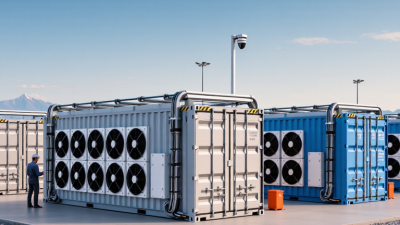
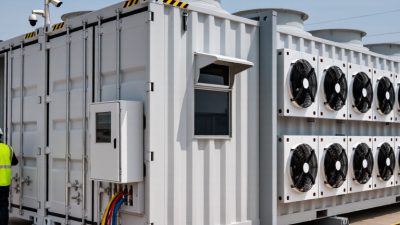
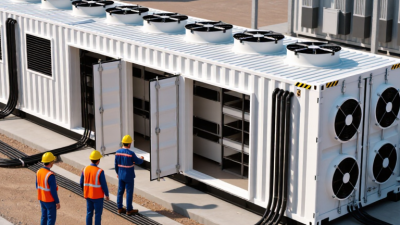
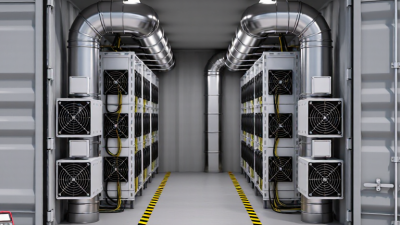
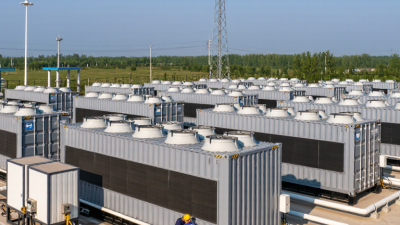
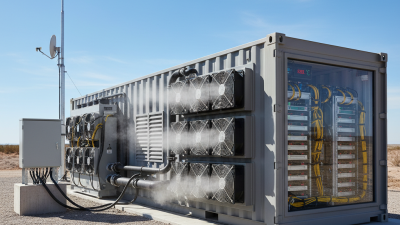
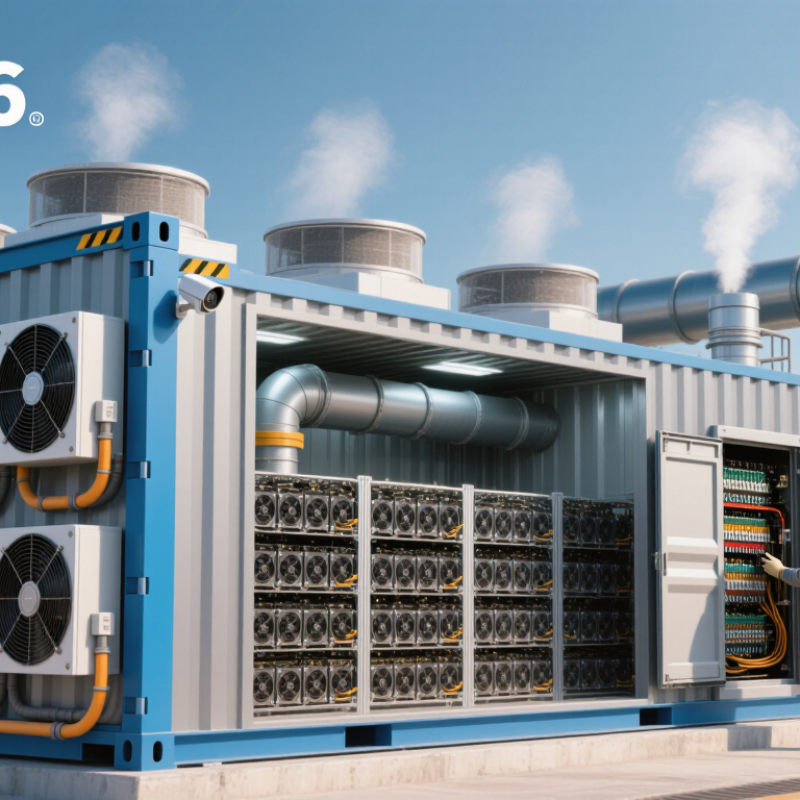
A Bitcoin mining container is a transportable enclosure fitted to house specialized computers, electrical distribution, ventilation or cooling, and network connections. Inside, rows of machines draw power and release heat; large fans push hot air through vents, while filters help limit dust. Think of it as a compact, purpose-built data center—not a plug-and-play box. Site power, weather, noise limits, and maintenance access all shape whether it will work well.

Scale matters.

The Cambridge Centre for Alternative Finance’s 2023 Digital Mining Industry Report surveyed 52 mining companies across 21 countries, representing about 45% of the Bitcoin network’s hashrate. Its coverage shows how industrial mining operations are; it does not establish a universal container design. That distinction is easy to miss. A container’s useful capacity depends on its electrical load and heat-removal system, not just the number of machines it can physically hold. Poor airflow can leave hot spots between racks, even when exterior fans are running.

Tips: Ask for measured airflow, electrical capacity, and operating-temperature limits. Check how filters, fans, and machines can be serviced on site. Small details matter. A tidy layout helps, but it cannot fix an undersized power connection or inadequate cooling.

How Does a Bitcoin Mining Container Work?

What Is the Best Bitcoin Mining Container in 2026?

How Does a Bitcoin Mining Container Work?

A Bitcoin mining container is a compact facility that houses specialized computers, electrical equipment, and cooling systems. Each miner performs calculations to help verify transactions and compete to add a block to the Bitcoin network. The container supplies power and helps remove the substantial heat these machines produce. It is more than a metal box.

Power enters through electrical distribution equipment, then travels to individual miners. Fans pull cooler air through intake vents and push hot air outside. Some setups use liquid cooling instead. Sensors can track temperature, airflow, and power use, while network connections let operators monitor equipment remotely. In practice, airflow is rarely perfect. A blocked filter or poorly placed machine can create hot spots, so regular inspection matters.

Which Features Matter Most When Comparing Mining Containers?

A useful Bitcoin mining container is not simply a metal enclosure with room for machines. Compare airflow design, cooling capacity, electrical distribution, and maintenance access. Ask how the system handles hot afternoons, dust, and sudden changes in miner load. Noise matters. A clear layout also helps technicians reach filters, cables, and shutdown controls without moving heavy equipment.

Check whether airflow can be adjusted for different machine configurations, and whether temperature sensors cover more than one area. Review the electrical rating with a qualified professional; a container’s capacity must match the planned load and site infrastructure. Weather protection matters, but so does ventilation that avoids trapping heat. Look for accessible filters, clear wiring labels, and practical space for safe inspection. These details can sound minor. They often shape daily operating effort.

Tips: Request airflow diagrams, cooling performance data, and a maintenance schedule. Compare expected operating conditions with your actual site, not an ideal test room. And leave room for uncertainty: specifications rarely capture every dusty day, awkward repair, or future equipment change.

How Do Air-Cooled and Immersion-Cooled Containers Differ?

Air-cooled and immersion-cooled containers manage miner heat in very different ways. Air-cooled units use fans to move heat through racks and out through vents or heat exchangers. Their layout is familiar, and technicians can inspect fans, filters, and cables without handling coolant. But airflow has limits. Dust-clogged filters, uneven rack spacing, or a hot afternoon can raise chip temperatures quickly. Fan noise may also matter near nearby work areas.

Immersion systems place compatible mining hardware in a dielectric fluid, which carries heat to a cooling loop. They can reduce reliance on high-speed fans and keep temperatures more even across densely packed equipment. The trade-off is more specialized maintenance: fluid condition, seals, pumps, and heat exchangers need regular checks. Hardware changes may take longer, too. That is not always neat. In practice, neither design wins everywhere. A dry, dusty site may favor a sealed air system, while a space-constrained operation may value immersion’s heat transfer. Compare measured inlet temperatures, service access, power use, and local technician skills before choosing. A container that looks efficient on paper can still disappoint if routine maintenance is difficult.

What Is the Best Bitcoin Mining Container in 2026? How Do Air-Cooled and Immersion-Cooled Containers Differ?
Comparison dimension Air-cooled container Immersion-cooled container
Cooling method Fans move ambient air through the ASIC miners and exhaust the heated air from the container. ASIC miners operate submerged in electrically non-conductive dielectric fluid. Pumps circulate the fluid to a heat exchanger or dry cooler.
Typical equipment ASIC miners with onboard fans, air inlets, exhaust fans, filters or louvers, and airflow controls. Immersion-compatible ASIC miners, dielectric-fluid tanks, pumps, piping, heat exchangers, and fluid monitoring equipment.
Heat removal Relies on sufficient airflow and a suitable path for hot exhaust air to leave the site. Transfers heat from the miners into circulating fluid, then rejects it through a heat exchanger and outdoor cooling equipment.
Miner compatibility Generally suits standard air-cooled ASIC miners, subject to the miner’s specified inlet-temperature and operating limits. Requires miners and electrical connections designed or adapted for immersion. Standard fan assemblies may need removal or modification according to the system design.
Power used for cooling Fans and ventilation equipment consume power; demand can rise when airflow resistance or outdoor temperatures are high. Pumps and heat-rejection equipment consume power. Actual use depends on fluid flow, heat-exchanger design, and outdoor conditions.
Airflow and dust Needs carefully planned intake and exhaust airflow. Dust, debris, and other airborne contaminants may require filtration and regular cleaning. Mining chips are isolated from ambient airflow by the fluid, reducing dust exposure to the submerged equipment. Outdoor heat-rejection equipment still needs appropriate maintenance.
Noise considerations High-speed miner fans and ventilation fans can create significant noise; acoustic controls may be needed depending on location. Miner fan noise is reduced or eliminated when miners are configured for immersion. Pumps and outdoor heat-rejection equipment still produce noise.
Maintenance focus Inspect and clean filters, fans, ventilation paths, and electrical connections; monitor airflow and miner temperatures. Monitor fluid condition, pump operation, leaks, tank seals, and heat exchangers; use fluid compatible with the equipment and system materials.
Deployment complexity Often simpler to deploy where power, ventilation openings, and exhaust clearance are available. Requires additional fluid-handling equipment, compatible miners, plumbing, and trained maintenance procedures.
Space and layout Layout must preserve adequate intake and exhaust paths and provide service access to each miner. Tank arrangement can support compact miner placement, but space is needed for tanks, pumps, piping, and heat-rejection equipment.
Climate considerations Hot, dusty, or humid conditions can make air management more demanding. Site design must stay within each miner’s operating limits. Heat rejection remains dependent on outdoor conditions and equipment sizing. Fluid systems can provide more controlled heat transfer, but do not remove the need for adequate heat rejection.
Best suited to Projects prioritizing straightforward equipment, familiar servicing, and use of standard air-cooled miners. Projects prepared for specialized equipment and fluid-system maintenance, especially where reduced miner-fan noise or dust exposure is a priority.
Key selection checks Verify site airflow, exhaust clearance, ambient conditions, dust control, electrical capacity, and miner operating specifications. Verify miner compatibility, fluid and material compatibility, tank and pump capacity, heat-exchanger performance, maintenance capability, and electrical safety procedures.
Overall choice A practical option when the site can supply clean, adequate airflow and the operator wants a simpler cooling arrangement. A practical option when the operator can support a more specialized cooling system and its ongoing fluid and equipment maintenance.

There is no single best container for every 2026 mining operation. Cooling performance, energy use, noise, and operating cost depend on the miners, container design, site climate, power availability, and maintenance practices. Confirm equipment specifications and local requirements before deployment.

How to Choose the Best Bitcoin Mining Container in 2026

What Is the Best Bitcoin Mining Container in 2026?

How to Choose the Best Bitcoin Mining Container in 2026

The best container is the one that fits your miners, site, and operating plan—not simply the one with the highest capacity. Check the electrical design against your machines’ actual loads, and confirm that the site can provide sufficient power. Airflow matters just as much. Hot spots near the rear of a rack can reduce equipment performance, even when the container’s overall temperature seems acceptable. Ask for clear specifications on cooling, filtration, monitoring, and safe shutdown procedures.

Tips: Request a layout showing rack spacing and airflow direction. Check how filters, fans, and electrical components can be reached for maintenance. Ask how the system handles unusually hot days and dust. Small details count.

Before choosing, consider local climate, noise limits, internet reliability, and the time needed to deliver and install the unit. Compare total operating costs, not only the purchase price; cooling and maintenance can change the economics. Review independent test data where available, and have a qualified electrical professional assess site compatibility. A neat specification sheet is useful, but it cannot predict every site condition. I would leave room for uncertainty in any forecast. An undersized plan may look cheaper at first.

What Is the Best Bitcoin Mining Container in 2026?

How to Choose Cooling Capacity for Your Mining Load

Almost all electricity used by mining equipment eventually becomes heat. These values are calculated using 1 kW = 3,412 BTU/h. Choose a container cooling system rated to handle the expected heat load, with additional capacity appropriate for local temperatures, airflow, and operating conditions.