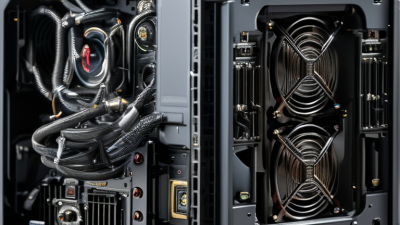
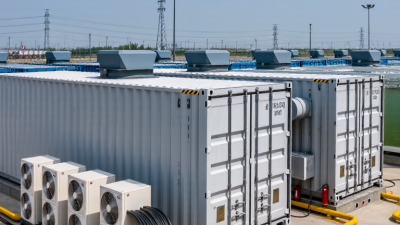
Top 10 Container Mining Farm Manufacturers in China
A Container Mining Farm is more than a row of machines inside a steel box. It is a compact operating site, where power delivery, cooling, network access, and maintenance must work together. On a hot afternoon, even a small airflow problem can raise equipment temperatures and interrupt operations. The container may look simple. Its design decisions are not.
Mining analyst Jaran Mellerud’s work highlights the importance of energy economics in mining operations. A concise paraphrase of that principle is: “A mining site depends on matching power costs with reliable, flexible operations.” This is a paraphrase, not a verbatim quotation. It offers a useful lens for comparing manufacturers, while reminding readers that hardware specifications alone do not tell the whole story.
This Top 10 guide examines Chinese manufacturers through practical criteria: container construction, cooling options, electrical integration, customization, service support, and project experience. Buyers should also check what each quoted configuration actually includes. A stated capacity may not cover transformers, installation, or local commissioning. Comparisons can be imperfect, because vendors describe products differently and project conditions vary. That limitation matters. Treat the list as a research starting point, then verify technical documents, references, warranty terms, and site requirements before making a decision.
Understanding Container Mining Farms and Their Role in Cryptocurrency Mining
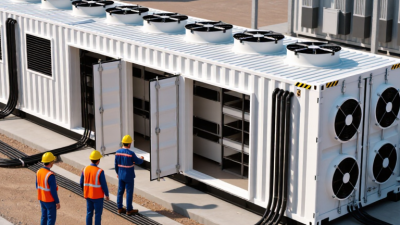
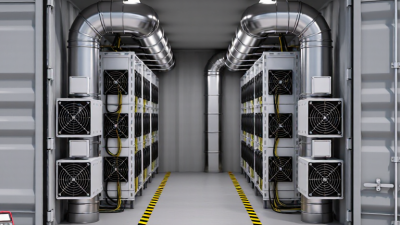
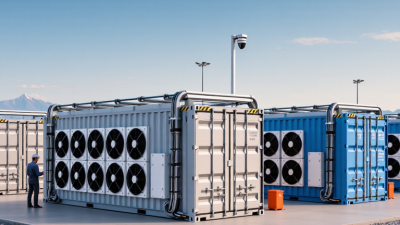
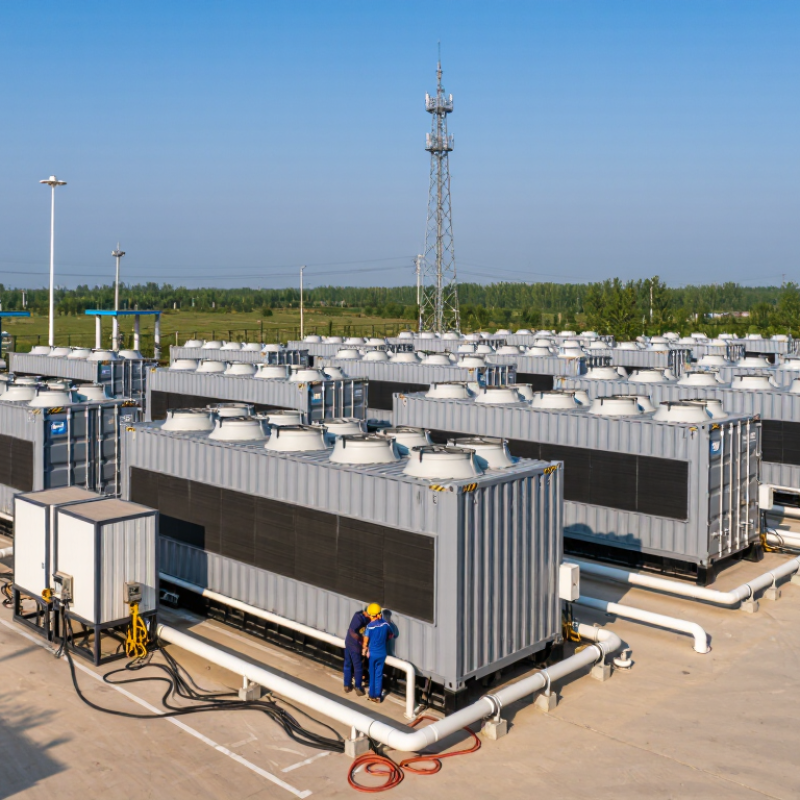
Container mining farms are modular enclosures for racks of cryptocurrency mining machines, electrical systems, cooling equipment, and monitoring controls. They can be installed near suitable power and network connections, then expanded by adding more units. Inside, rows of machines produce heat and steady mechanical noise. Fans move air through the container, while sensors track temperature and equipment faults. Small details matter. Poor airflow or a loose electrical connection can reduce uptime and create safety risks. Containers simplify deployment, but they do not make energy use or maintenance problems disappear.
The Cambridge Centre for Alternative Finance’s 2023 Bitcoin mining estimates put annual electricity use near 121 terawatt-hours. This is a modeled estimate, not a direct meter reading. The International Energy Agency’s Electricity 2024 report says data centres, artificial intelligence, and cryptocurrency together used about 460 terawatt-hours in 2022. It projects that combined demand could exceed 1,000 terawatt-hours by 2026. That broader figure is not a mining-only forecast. For operators, the practical questions are local power capacity, cooling performance, and how reliably equipment can be serviced. A container may look orderly in a diagram; on site, dust, heat, and maintenance access can be less tidy.
Criteria for Evaluating Chinese Container Mining Farm Manufacturers
Evaluating a Chinese container mining farm manufacturer starts with engineering evidence, not polished renderings. Ask for a single-line electrical diagram, load calculations, and component specifications. Verify that busbars, breakers, cable sizing, and grounding match the stated operating load. A neat cabinet can still hide poor airflow or awkward maintenance access. Small details matter. Request thermal test records under realistic ambient conditions, including inlet and outlet temperatures, fan performance, and noise measurements. If figures lack test conditions, treat them as incomplete rather than definitive.
Cooling design should fit the local climate and the machines’ heat output. Check filters, corrosion protection, drainage, and safe access to fans and controls. Ask how the supplier handles dust buildup and replacement parts; these are ordinary issues, but they can stop work. Review fabrication quality in person when possible: weld seams, door seals, lifting points, and transport restraints tell you more than a brochure. Compare delivery scope, commissioning support, documentation, and warranty response times. Speak with buyers who have run similar loads for several months. Their maintenance logs may reveal recurring faults. No checklist is perfect. I would still leave room for uncertainty, especially when a design has not been tested at your site. A credible manufacturer explains limits clearly and provides drawings, test data, and practical service procedures before an order is placed.
Top 10 Container Mining Farm Manufacturers in China
China’s container mining farm manufacturers compete on more than container size. Buyers should compare cooling design, electrical distribution, monitoring, corrosion protection, and installation support. A well-built unit needs clear cable routes, sealed openings, and service access that technicians can reach without moving equipment. Ask for test records and component specifications, not just attractive capacity claims.
The International Energy Agency’s Electricity 2024 report says data-centre, AI, and cryptocurrency electricity use could exceed 1,000 TWh worldwide by 2026, up from about 460 TWh in 2022. This broad estimate is not a mining-only forecast, but it highlights why power efficiency and heat removal matter. When assessing ten manufacturers, request comparable figures for operating temperature, fan power, noise, and energy use under stated conditions. One uncomfortable detail: advertised performance may not match a dusty site in summer.
Tips: Ask for a sample layout and maintenance checklist. Confirm local service response times, spare-part availability, and warranty exclusions before comparing quotations. Small omissions matter. A missing drainage detail or unclear airflow path can create avoidable downtime.
Top 10 Container Mining Farm Manufacturers in China
Brand-neutral comparison framework. Company names and manufacturer-specific rankings are omitted; the standards below are verifiable reference points for evaluating containerized mining-farm suppliers, not a claim that every standard applies to every project.
| No. |
Evaluation dimension |
Reference standard |
What to verify with the supplier |
| 1 |
Container dimensions and ratings |
ISO 668:2020 |
Confirm the container series, external dimensions, maximum gross mass, and rating suit the transport and site plan. |
| 2 |
Container construction and testing |
ISO 1496-1:2013 |
Request construction details and applicable test documentation for the container type and intended use. |
| 3 |
Enclosure ingress protection |
IEC 60529; GB/T 4208-2017 |
Check the declared IP rating for relevant electrical enclosures and confirm the tested configuration matches the supplied equipment. |
| 4 |
Low-voltage switchgear assemblies |
IEC 61439-1; GB/T 7251.1-2023 |
Review assembly ratings, design verification, protection measures, and the documentation for the actual switchboard configuration. |
| 5 |
Electrical installation design |
IEC 60364 series; applicable local electrical codes |
Check that the design addresses circuit protection, isolation, earthing, cable sizing, and the site’s supply conditions. |
| 6 |
Low-voltage installation design in China |
GB 50054-2011 |
Ask the project designer to confirm applicability and show how the low-voltage distribution design meets relevant Chinese requirements. |
| 7 |
Lightning protection design |
GB 50057-2010 |
Verify the site-specific lightning-risk assessment and coordination of protection, bonding, and surge-protection measures. |
| 8 |
Cooling and airflow design evidence |
Project-specific engineering documentation |
Request design airflow, operating temperature assumptions, fan specifications, and test conditions; compare them with the selected miners and site climate. |
| 9 |
Electrical capacity and load planning |
Project-specific load schedule and utility requirements |
Check rated input, peak load, protection coordination, transformer and cable sizing, and the proposed expansion limits against the site supply. |
| 10 |
Environmental management |
ISO 14001:2015 |
If environmental management certification is relevant to procurement, verify its scope, issuing body, validity, and coverage of the manufacturing site. |
Standards and project requirements can change; confirm current editions, local regulations, and certification scope during procurement.
Comparing Product Designs, Cooling Systems, and Customization Options
When comparing the top 10 container mining farm manufacturers in China, look beyond advertised capacity. Check the layout drawings, service access, and cable routing. A container may fit dozens of machines on paper, but tight aisles can slow routine maintenance. Ask for clear measurements of rack spacing, door width, and equipment clearance. Published specifications are only a starting point.
Cooling design should match the local climate and operating conditions. Air-cooled containers need carefully positioned intake and exhaust openings, plus filters that workers can reach and replace. Immersion or liquid-cooling designs require compatible plumbing, leak checks, and a practical plan for heat rejection. Ask how airflow or coolant performance is tested under load. Small details matter. Customization may cover rack count, electrical distribution, monitoring, and fire-safety provisions. Confirm which changes affect delivery time or maintenance access. No layout is perfect; a highly compact design can be harder to service.
Tips: Request a floor plan and cooling diagram before ordering. Ask for operating references and maintenance records, not just renderings. Compare noise, filter replacement, and spare-parts access. If a specification seems vague, get it clarified in writing.
Key Factors to Consider When Choosing a Manufacturer
Choosing a container mining farm manufacturer starts with the operating site, not the brochure.
Check the stated power load, cooling method, airflow path, and environmental limits against your actual conditions. A hot, dusty location may need different filtration and maintenance access than a clean indoor yard. Details matter. Ask for equipment drawings, component specifications, and records from load or factory acceptance tests. Compare the evidence with the promised capacity; a polished render cannot show how heat moves through a crowded container.
Build quality affects uptime.
Inspect the enclosure, cable routing, corrosion protection, and access around fans and electrical cabinets. Ask how the design handles uneven loads and what happens when a cooling unit fails. Request a clear warranty, commissioning scope, spare-parts list, and response times for remote or on-site support. Ask for evidence. A low purchase price can be misleading if replacement parts take weeks to arrive.
Also verify production capacity and realistic delivery dates.
Request references for installations with similar climate, power supply, and operating scale, then ask what needed adjustment after launch. It is easy to focus on hash rate and overlook noise, drainage, or room for routine repairs. I would treat vague answers as a reason to ask more questions, not as proof of poor quality. A useful comparison sheet should record assumptions, exclusions, and measurable performance targets.