Why Are Crypto Containers Ideal for Global Shipping?
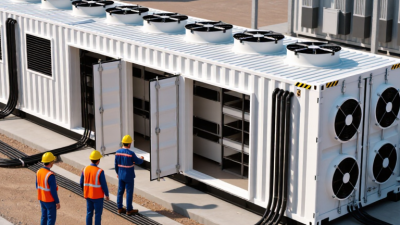
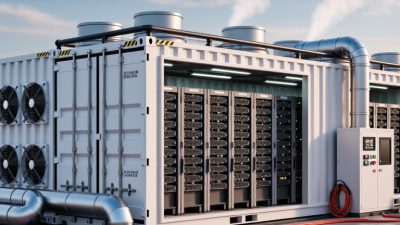
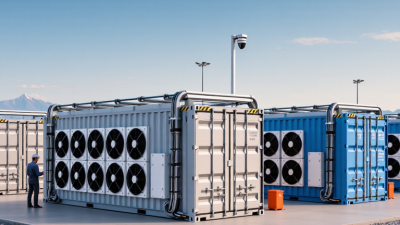
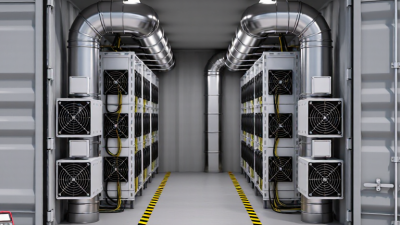
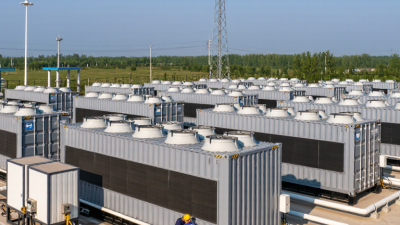
Crypto Containers are modular units designed to house cryptocurrency computing equipment, such as mining rigs, power systems, and cooling hardware. Their familiar shipping-container format can simplify movement between ports, industrial sites, and data-center locations. A standard footprint helps planners assess space, lifting access, and transport options early. That matters when a project spans several countries.
The appeal is practical. Equipment can be installed and tested before shipment, reducing some on-site assembly work. Steel walls protect hardware from weather and handling, though they do not eliminate shock, moisture, or heat risks. Not a complete guarantee. Careful packaging, secure mounting, ventilation planning, and inspection remain essential. Operators also need to verify weight limits, electrical requirements, insurance terms, and destination-specific import procedures with qualified logistics and engineering professionals.
Global shipping rewards preparation more than optimism. A container that works well in one climate may need different cooling or corrosion protection elsewhere. Port access, inland road limits, power availability, and local technical standards can change the plan. These details are easy to underestimate. Crypto Containers can make infrastructure more portable, but portability is not the same as effortless deployment. Reliable projects treat transport, commissioning, and ongoing maintenance as one connected process—and leave room to revise assumptions when real operating conditions differ.
What Are Crypto Containers in Global Shipping?
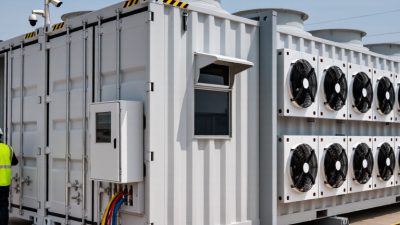
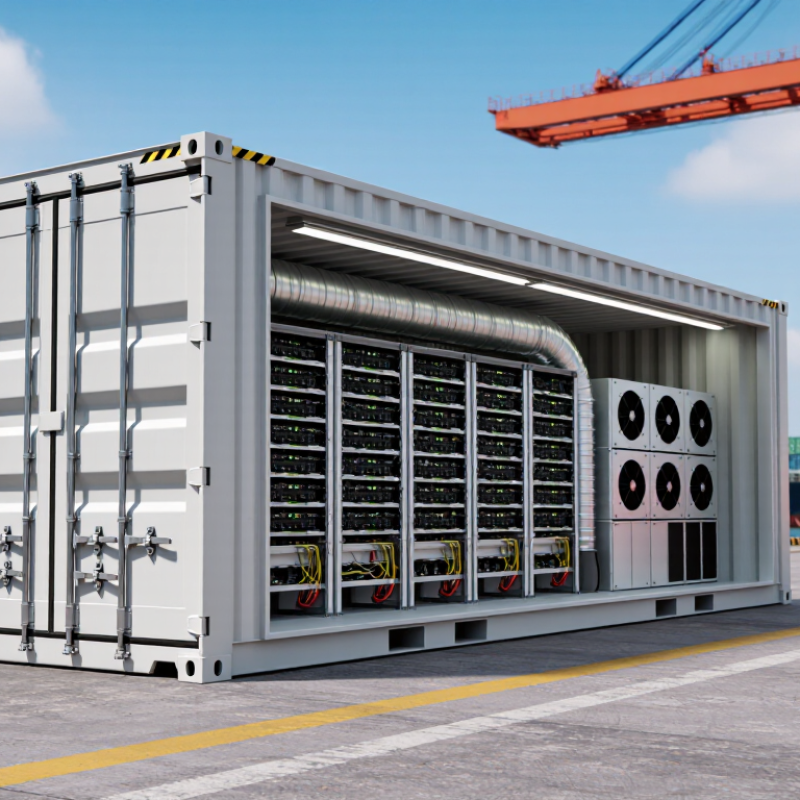
In global shipping, “crypto container” usually means a purpose-built, modular unit for transporting cryptocurrency-mining equipment—not a container that stores digital currency. The term has no single universal technical definition, so buyers should check the container’s specifications carefully. A typical unit may include reinforced framing, equipment racks, ventilation, and cooling components. Some are configured for temporary operation at a destination; others are designed only for transit. The distinction matters.
Tips: Confirm dimensions, loaded weight, lifting points, and ventilation needs before booking transport. Ask for drawings and a clear equipment inventory. Small details matter.
These containers can simplify international moves by keeping machines organized and protected inside one transportable structure. Standardized outer dimensions can also help with handling across ports and freight networks, subject to carrier and route requirements. Still, “ready to ship” does not mean ready for every route. Power systems, cooling hardware, and the final destination can affect packing, paperwork, and delivery planning. A careful inspection before dispatch is useful; it may feel fussy, but overlooking one loose rack or blocked air vent can create avoidable trouble.
How Blockchain Connects Containers to Shipment Records
A container’s journey generates a trail of records: gate-in scans, loading events, vessel departures, and customs updates. Blockchain can link these events to a unique container identifier and shipment record, creating a shared, time-stamped history for authorized participants. UNCTAD’s Review of Maritime Transport 2024 notes that more than 80% of world trade by volume moves by sea. At that scale, consistent records can help reduce mismatched documents and time spent checking status. Useful, but not magic.
A blockchain record can show when information was added and whether it was later changed. It cannot prove that a sensor reading or manual entry was accurate in the first place. That distinction matters: a damaged seal may be recorded correctly only after someone notices it. In practice, shipping teams still need clear data standards, reliable scanners, and procedures for correcting mistakes. These details are less exciting than the technology. They are also where trust is earned.
Tips: Link container IDs to specific shipment events, not vague status labels. Record who submitted each update, and keep a process for correcting errors. Start with one route; compare record discrepancies before and after. The results may be uneven. That is useful evidence, too.
How Real-Time Tracking Improves Cargo Visibility
Global shipping depends on handoffs between vessels, ports, trucks, and warehouses. UNCTAD’s Review of Maritime Transport 2024 reports that over 80% of world trade by volume moves by sea. For containerized cargo, real-time tracking helps teams see where a shipment is and when its status changes. GPS updates, geofenced alerts, and timestamped scans can show whether a container is moving, waiting, or off schedule. That matters. A missed port gate or unexpected delay is easier to address when teams learn about it early, not after a customer asks.
MHI’s 2024 Annual Industry Report found that 55% of surveyed organizations were increasing investment in supply-chain innovation. Tracking tools are part of that shift: a location update matched with a terminal event can help clarify whether a container is awaiting transfer or held up elsewhere. But gaps remain. A signal can fail, and a location ping cannot confirm cargo condition or explain a delay. Teams should compare device data with carrier milestones and on-the-ground checks. Otherwise, a polished dashboard may create confidence without providing the full picture.
Why Are Shipping Containers Ideal for Global Shipping? — How Real-Time Tracking Improves Cargo Visibility
Standardized container sizes make cargo easier to plan and handle across transport modes. Real-time tracking adds visibility by sharing location and shipment-status updates throughout the journey.
Chart shows nominal external lengths: 20-foot container, 6.058 m; 40-foot container, 12.192 m.
How Digital Records Streamline Cross-Border Logistics
Cross-border shipping depends on accurate handoffs between carriers, ports, customs teams, and receivers. UNCTAD’s Review of Maritime Transport 2024 reports that more than 80% of world merchandise trade by volume moves by sea. One container may generate a trail of forms, status updates, and inspection records. Small errors can mean a missed connection or hours of extra checking. That matters.
A secure shared digital record can link container identity, seal checks, custody changes, and arrival times. Authorized parties see the same dated entries, rather than matching separate emails and spreadsheets. At a port gate, staff could verify a container’s release status before a truck reaches the queue. Digital records do not remove inspections or fix every delay. Poor data entry still travels quickly.
The Digital Container Shipping Association estimated in 2023 that full electronic bill-of-lading adoption by 2030 could save $6.5 billion in direct costs and enable $40 billion in trade growth. These are projections, not guaranteed results. Clear audit trails can reduce document disputes, but smaller operators may need time and support to connect their systems. The practical test is simple: can each party find the correct record, in time, and trust who changed it?
What Challenges Affect Their Global Adoption?
Moving crypto-mining equipment in containers sounds simple, but the steel box is only one part of the system. A loaded unit can be heavy, and its dimensions may limit which roads, ports, and cranes can handle it. Small clearance differences matter. Before booking transport, operators need verified weight figures, lifting points, and route checks—not estimates copied from a similar unit.
Power and cooling create tougher problems after arrival. A container designed for one site may not match another site's voltage, grid capacity, or climate. Hot, humid air can strain cooling equipment, while dust may clog filters faster than expected. These details require site surveys and realistic load tests. They are easy to underestimate.
Standards also vary across shipping routes and destinations. Electrical drawings, equipment specifications, and clear documentation can reduce inspection delays, though they cannot guarantee a smooth handoff. Local technicians may also need unfamiliar training, spare parts, or safety procedures. That adds cost and downtime. There is no perfect template; operators sometimes discover a design flaw only after the first move. Better pilot shipments help reveal those weak spots before a fleet travels farther.