Why Choose a Cryptocurrency Mining Container?

Why Choose a Cryptocurrency Mining Container?

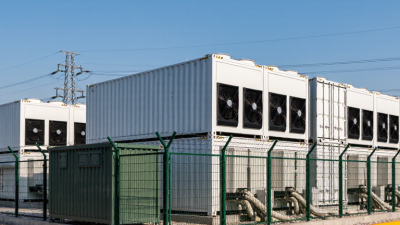
Scaling a cryptocurrency mining operation is not only a matter of adding more machines. A Cryptocurrency Mining Container brings miners, electrical distribution, cooling equipment, and monitoring into a purpose-built enclosure. That can simplify deployment. It may also make capacity easier to plan, relocate, and maintain than a scattered installation. The real value depends on the site. Grid capacity, local climate, noise limits, network access, and service clearance all matter. A container cannot fix weak infrastructure.

Its practical advantages are easiest to judge through details. Ask how airflow moves across each rack, where filters sit, and how temperature sensors trigger alerts. Review the electrical load plan and confirm that qualified professionals will assess installation requirements. Reliable suppliers should explain cooling assumptions, maintenance access, and expected operating limits—not just quote a miner count. Not always. A compact layout can still create difficult service work, and hot weather may reduce cooling efficiency. Those trade-offs deserve attention before purchase. Compare the container’s specifications with your equipment, site conditions, and operating goals. Then consider whether modular deployment offers enough value to justify its upfront cost. There is no universal answer. A careful assessment can help distinguish a genuinely suitable solution from an attractive enclosure with unresolved practical questions.
Why Choose a Cryptocurrency Mining Container?

What a Mining Container Integrates: Modular Data-Center Infrastructure

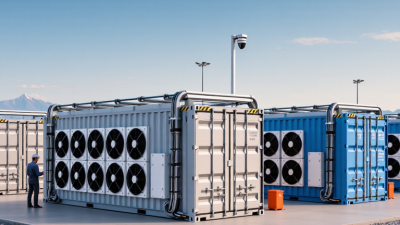
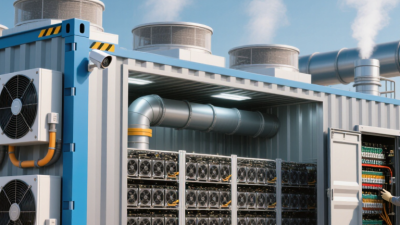
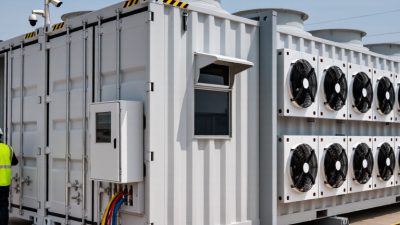
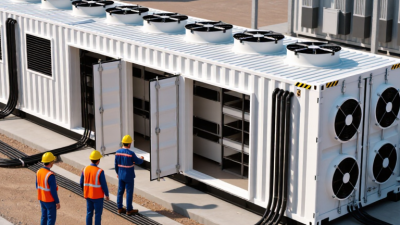
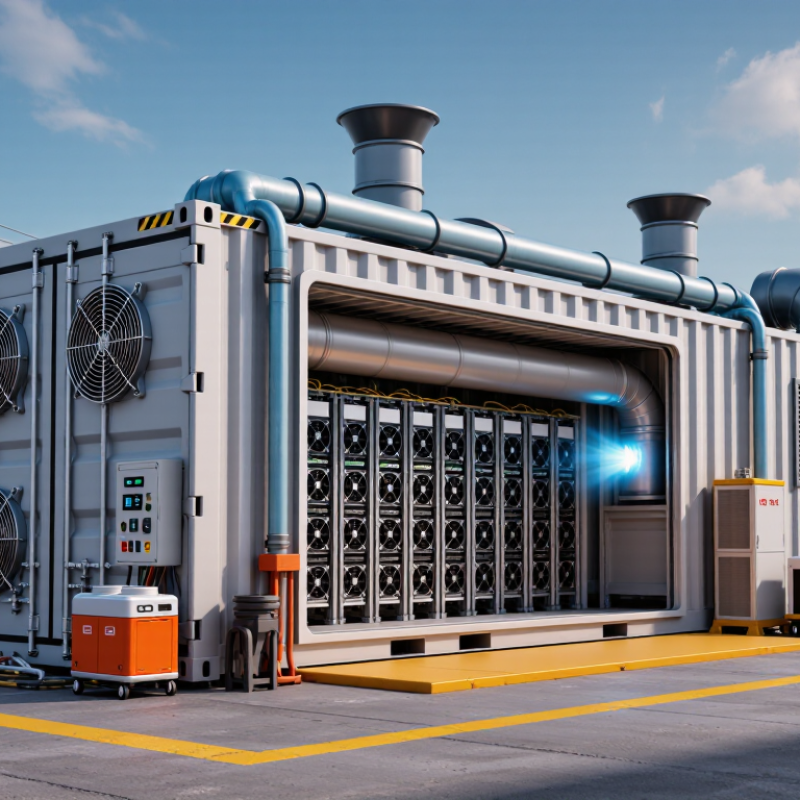
A cryptocurrency mining container is more than a weather-resistant enclosure. It combines several data-center functions in a transportable, modular space. Depending on its design, it may include equipment racks, power distribution, cooling systems, network connections, lighting, and safety sensors. The exact package varies, so specifications matter more than the container label.

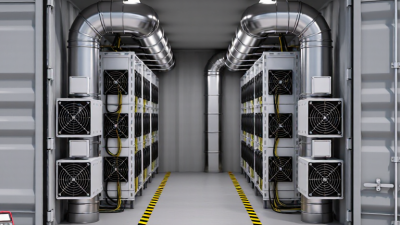
Inside, miners sit in aligned rows, with clear paths for incoming and heated air. Fans, filters, and ducting help manage airflow, while power panels distribute electricity to individual circuits. Temperature and humidity sensors can give operators useful readings. Small details matter. A blocked intake or crowded cable tray can complicate maintenance and restrict airflow.

The integration can simplify installation at a prepared site, but it does not remove the need for careful planning. The ground must support the loaded unit, and the electrical supply must match its expected demand. Service access, noise, heat discharge, and local climate also affect daily operation. Modular does not mean effortless. A well-specified container can make systems easier to organize, yet its cooling and power capacity still need to fit the actual mining hardware. During review, it is worth asking how components are reached and replaced; that practical question is easy to overlook.

ASIC Capacity Planning: 3.5 kW per Bitmain Antminer S21

Why Choose a Cryptocurrency Mining Container?

A mining container can simplify site layout by keeping miners, cable runs, and airflow equipment in one controlled space. For capacity planning, use 3.5 kW as the estimated draw for each ASIC miner. Twenty units therefore require about 70 kW for the machines alone. At continuous operation, that equals roughly 1,680 kWh per day, before cooling and other support loads. Leave room for those loads; a neat calculation can still underestimate the real site demand.

Tips: Count every miner at 3.5 kW, then add cooling, networking, and electrical losses. Check the power distribution rating with a qualified electrician. Keep spare capacity for maintenance or gradual expansion.

Before choosing a container, confirm its usable power capacity and cooling performance under local ambient conditions. Hot afternoon air can reduce cooling headroom, even when the layout looks generous on paper. Verify airflow paths and monitor temperatures after commissioning. Measure actual operating demand rather than relying only on nameplate figures. Plans change. It is worth revisiting the estimate once equipment and site conditions are known.

ASIC Capacity Planning: 3.5 kW per Miner

At an assumed draw of 3.5 kW per ASIC, total ASIC load scales linearly with the number of units. For example, 8 miners require 28 kW of ASIC power. These figures exclude cooling and other facility loads.

Cooling Design: ASHRAE’s 18–27°C Recommended Inlet Temperature

Why Choose a Cryptocurrency Mining Container?

Cooling Design: ASHRAE’s 18–27°C Recommended Inlet Temperature

Mining hardware runs under sustained load, so its inlet air deserves close attention. ASHRAE’s 2021 Thermal Guidelines place 18–27°C within the recommended range for common data-center equipment classes. This is an equipment inlet temperature, not a target for every point inside a container. A sensor near a rack can read very differently from one beside a door. Small details matter. In a mining container, directed airflow, sealed gaps, and clear separation between hot exhaust and cool intake help prevent recirculation. Otherwise, one row may breathe comfortably while another pulls in warmed air.

The Uptime Institute’s 2024 Global Data Center Survey reported a mean power usage effectiveness of 1.56 among respondents. PUE measures total facility energy against IT energy; it does not isolate cooling or predict a mining site’s result. Still, it shows why cooling design should be evaluated alongside computing loads. A container operator can log inlet temperatures at several rack positions and compare readings during hot afternoons and full-load operation. Fans may solve a local hotspot, but they can also increase power use or disturb airflow elsewhere. One assumption deserves scrutiny: a single setpoint cannot fit every layout. ASIC models, dust, humidity, and outdoor conditions all matter. Not always obvious. A practical design leaves room to adjust airflow after real measurements, rather than trusting a thermostat alone.

Power Efficiency: Antminer S21’s Rated 17.5 J/TH

A mining container can make power use easier to measure and manage. Its value depends on the machines inside and the conditions around them. A miner rated at 17.5 joules per terahash uses 17.5 joules to produce one terahash of computing work. Lower energy per terahash generally means less electricity for the same hashing output. That is useful, but it is not the whole story.

In practice, the rating is a reference point, not a promise for every site. Ambient heat, airflow, dust, and voltage stability can affect operating conditions. Inside a container, hot air needs a clear path out. Blocked filters or uneven airflow may raise temperatures and reduce efficiency. Small details matter. A meter at the power inlet can help compare actual consumption with expected load. Keep records across different weather and operating periods; one afternoon is not enough evidence.

A 17.5 J/TH rating can help operators estimate energy costs before deployment. For example, multiply the measured terahash output by the efficiency figure to estimate miner-level power demand. Then account for fans, pumps, and other support equipment separately. Those loads are easy to overlook. There is also a trade-off: a tightly packed container may save space, yet make heat management harder. The best design is not always the one with the most machines. Field measurements should guide adjustments, even when they contradict the original plan.

Site Readiness: Grid Capacity, Noise, Fire Safety, and Connectivity

Why Choose a Cryptocurrency Mining Container?
Site Readiness: Grid Capacity, Noise, Fire Safety, and Connectivity

A mining container can simplify equipment deployment, but it cannot fix an unprepared site. Start with the electrical load. Add up the miners, cooling equipment, lighting, and any auxiliary systems, then compare their demand with the site’s available capacity. Ask a qualified electrical professional to assess transformers, cabling, protection, and expected peak loads. A spreadsheet can look reassuring. The actual supply may tell a different story.

Noise travels. Fans can carry a steady, sharp sound beyond the container, especially at night or across open ground. Walk the site boundary and nearby occupied areas before choosing a location. Consider distance, airflow direction, and acoustic treatment without blocking cooling. Fire planning deserves equal attention: maintain clear access, use suitable detection and protection systems, and keep combustible storage away. Have the arrangement reviewed against applicable safety requirements. Small details matter.

Connectivity is easy to overlook until monitoring drops during a fault. Check signal strength at the proposed container position, not just near the site office. Confirm that bandwidth supports remote monitoring and that a backup connection is practical. Map cable routes and protect them from vehicles, water, and heat. It may be tempting to solve every issue after delivery. That can cost more, and some compromises remain awkward. A careful site walk, load assessment, and safety review make the container a more dependable installation.

Why Choose a Cryptocurrency Mining Container? — Site Readiness: Grid Capacity, Noise, Fire Safety, and Connectivity

Readiness Area Planning Data and Checks Practical Site Actions
Grid capacity Mining equipment commonly draws several kilowatts per unit. For example, 100 units rated at 3.5 kW each require about 350 kW for the miners alone, before cooling, fans, pumps, lighting, and other site loads. Prepare a load schedule using equipment nameplate ratings. Have a qualified electrical engineer assess service capacity, transformers, switchgear, feeders, grounding, protection, and applicable local electrical-code requirements.
Continuous electrical load Mining installations may operate around the clock. Continuous-load sizing and permitted loading depend on the applicable electrical code, equipment ratings, and operating conditions; do not size a site from miner wattage alone. Confirm the utility’s available capacity and connection requirements early. Include cooling and auxiliary loads, expected growth, power quality, and a safe shutdown plan in the design.
Power distribution Three-phase distribution is commonly used for larger industrial loads. The appropriate voltage, circuit layout, and protection depend on the local supply and equipment specifications. Use properly rated distribution equipment and dedicated circuits as required by the design. Provide accessible disconnects, overcurrent protection, cable management, and clear electrical-room access.
Heat removal and airflow Nearly all electrical power consumed by mining equipment ultimately becomes heat. A 350 kW IT load therefore produces approximately 350 kW of heat, excluding additional heat from site equipment. Verify that the container’s ventilation or cooling design can handle the full heat load at the site’s expected outdoor temperatures. Plan unobstructed intake and exhaust paths to reduce hot-air recirculation.
Noise and neighbors High-speed equipment fans can create substantial continuous noise. Actual sound levels vary by equipment, enclosure, airflow, distance, and surroundings; local noise limits and measurement methods also vary. Measure or model sound at the nearest noise-sensitive property, not just beside the container. Consider setbacks, barriers, acoustic treatment compatible with airflow, operating-hour limits, and a post-installation noise check.
Fire safety Electrical distribution, connections, and powered equipment require fire-risk controls. Detection and suppression requirements depend on occupancy, container design, jurisdiction, and the authority having jurisdiction. Obtain a fire-protection review before installation. Provide suitable detection, emergency isolation, access for responders, clear egress, and an approved suppression strategy where required. Keep combustible materials and vegetation away from equipment.
Connectivity Mining traffic is generally modest compared with video or large-file workloads, but stable connectivity and reliable DNS and routing are important. Brief outages can interrupt work and reduce operating time. Check broadband availability, service terms, latency, packet loss, and repair times at the exact site. Consider a separately routed backup connection and test failover; confirm remote monitoring remains accessible during an outage.
Permits and land use Electrical upgrades, container placement, noise, fire protection, and utility connections may trigger separate approvals. Requirements vary by location and site classification. Confirm zoning, building and electrical permits, utility interconnection, fire-department requirements, drainage, access, and any environmental or noise approvals before ordering or placing equipment.
Operations and resilience Availability depends on more than power supply: maintenance access, spare parts, cooling performance, weather exposure, and communications all affect uptime. Plan safe access for technicians, weather-resistant placement, monitoring and alarms, maintenance procedures, spare components, and a controlled response to loss of power, cooling, or network service.

Planning note: Figures are illustrative engineering examples, not design specifications or code requirements. Confirm equipment ratings and site-specific requirements with the utility, qualified professionals, and local authorities before construction or operation.